3-Night All-Inclusive Edinburgh City Break: What Makes This Worth It?
Edinburgh suits a short escape because it packs medieval lanes, major museums, dramatic viewpoints, and walkable neighbourhoods into a compact centre. That mix makes a three-night stay feel rich rather than rushed, especially for travellers weighing time, cost, and comfort. Packages, transport links, and hotel styles vary more than many first-time visitors expect. Knowing what is actually included helps you book a break that feels easy, useful, and well judged from check-in to departure.
Outline
- What a three-night Edinburgh city break usually includes, and how city all-inclusive offers differ from resort packages
- The historic attractions that give Edinburgh its distinctive character and help shape a rewarding itinerary
- Which hotel comfort features matter most when your stay is short and every hour counts
- How to structure three nights so sightseeing, meals, and downtime work together rather than compete
- Who gets the most value from this type of break, and how to decide whether it fits your travel style
What Is Usually Included in an Edinburgh City Break
A three-night Edinburgh city break normally combines accommodation with a convenient travel window, but the exact package can vary a great deal. Some offers are simple, built around hotel-only pricing, while others include rail travel, return flights, breakfast, attraction tickets, or a dining credit. In city travel, the phrase all-inclusive often needs careful reading. Unlike a resort model with unlimited meals and drinks, an urban version may mean pre-paid essentials that reduce planning rather than remove every extra cost. That difference matters, because expectations can easily drift if the wording sounds richer than the reality.
For many travellers, the most useful inclusions are the ones that save time. Airport transfers, central accommodation, breakfast, and flexible cancellation can be worth more than flashy extras that never fit the schedule. Edinburgh Airport is well connected to the centre by tram, bus, and taxi, so transfers are not difficult, yet they can still feel welcome after an early flight or a late arrival. Rail-based packages also appeal to visitors coming from London, Newcastle, York, or Glasgow, because Waverley Station sits close to the Old Town and New Town, placing you near major sights from the moment you step off the train.
Typical inclusions may cover:
- Three nights in a hotel, guesthouse, or serviced apartment
- Daily breakfast, often buffet style in mid-range and chain hotels
- Transport, such as return flights or rail tickets, depending on the package type
- Optional extras like attraction passes, afternoon tea, or a dinner allowance
- Late checkout, luggage storage, or room upgrades in higher-priced offers
A useful planning principle is this: Explore Edinburgh city break trends with insights on hotel stays, local attractions, comfort features, and short getaway experiences. That line captures what many visitors now value most. They want a package that reduces friction, keeps the city accessible on foot, and leaves enough freedom to wander from the Royal Mile into quieter closes, cafés, and bookshops without staring at a spreadsheet all day.
It is also worth comparing what is not included. Entry to Edinburgh Castle, the Palace of Holyroodhouse, special exhibitions, whisky tastings, and evening tours may sit outside the package price. Meals beyond breakfast are frequently separate. This is not necessarily a drawback. Many people prefer choosing dinner on the night, especially in a city known for varied dining, from classic pubs to modern Scottish restaurants. In practical terms, the best-value city break is often not the one with the longest list of inclusions, but the one whose inclusions match how you actually travel.
Historic Attractions in Edinburgh That Deserve Your Time
Edinburgh is one of those cities where history is not tucked behind museum glass; it rises out of the street itself. The Old Town and New Town together form a UNESCO World Heritage Site, recognised for their exceptional urban character and historical significance. That status is not just a line in a brochure. It explains why the city feels layered, almost theatrical, with medieval closes dropping steeply from the Royal Mile and Georgian streets opening into a very different rhythm just minutes away. For a short stay, that concentration of heritage is a gift. You can cover a great deal without spending half the trip on transport.
Edinburgh Castle is usually the first major draw, and for good reason. Set high on Castle Rock, it offers military history, royal symbolism, panoramic views, and some of the city’s most recognisable images in one visit. The Crown Jewels, the Stone of Destiny, and the National War Museum give it more substance than a simple viewpoint. Because it is popular, booking ahead is often wise, particularly in summer and during school holidays. Early morning or later afternoon slots can feel calmer than the crowded middle of the day.
Beyond the castle, several other sites reward attention:
- St Giles’ Cathedral, known for its remarkable crown steeple and long civic history
- The Palace of Holyroodhouse, associated with monarchy and the life of Mary, Queen of Scots
- The Real Mary King’s Close, which offers a guided look at buried streets and urban life in earlier centuries
- Gladstone’s Land, a restored merchant’s house that gives texture to domestic life in the Old Town
- The National Museum of Scotland, where historical collections sit alongside science, design, and cultural displays
For travellers who like context rather than checklist tourism, the Royal Mile is best treated as a sequence of stories rather than one long road. Small courtyards, closes, old inns, and civic buildings all add detail. You might start near the castle, pause at the Writers’ Museum, pass St Giles, and continue down toward Canongate and Holyrood. That walk is not merely scenic; it explains how power, religion, trade, and daily life shaped the city over centuries.
Then there is the physical setting. Arthur’s Seat and Calton Hill are not historic attractions in the same way as a palace or cathedral, but they deepen the historical picture. Seeing the city from above makes its strategic position understandable. Edinburgh begins to look less like a postcard and more like a place shaped by defence, politics, and geography. On a short trip, these sights give breadth as well as beauty, which is why they often become the moments people remember most clearly after they return home.
Hotel Comfort and the Reality of a Short Stay
When a trip lasts only three nights, hotel comfort is not a luxury detail; it becomes part of the itinerary. A room that is quiet, well located, and easy to live in can make the difference between a refreshing break and one that feels oddly tiring. Edinburgh’s hotel stock is varied, ranging from international chains and stylish boutique properties to classic townhouses, budget rooms, aparthotels, and traditional guesthouses. Each has strengths, and the best choice depends less on star rating than on what kind of short stay you want.
Location is usually the first comfort feature to assess. Staying near Waverley Station, Princes Street, George Street, Haymarket, or the Grassmarket can cut down travel time significantly. A central base means you can return easily to rest, drop shopping bags, or change for dinner. That matters more in Edinburgh than some first-time visitors expect, because the city’s slopes, steps, cobbles, and quick weather shifts can make a long day feel longer. A room on the map may seem close, but a steep uphill walk in wind and rain changes the calculation.
Useful comfort features often include:
- Soundproofing or a quiet room position away from late-night street noise
- Reliable heating, since conditions can feel cool even outside winter
- Strong showers and good water pressure after a day of walking hills and stone streets
- Comfortable bedding and blackout curtains for better sleep
- Breakfast that starts early enough for tours, trains, or airport departures
- Lift access and step-free entry for travellers with mobility needs
There is also a meaningful difference between hotel styles. Boutique places may offer character, handsome interiors, and a sense of staying somewhere rooted in the city, yet older buildings can bring smaller rooms or more stairs. Chain hotels are often less romantic, but they tend to deliver predictable standards, larger bathrooms, and practical consistency. Serviced apartments suit travellers who want more space, separate seating, or simple self-catering, especially for families or anyone planning a quieter evening in.
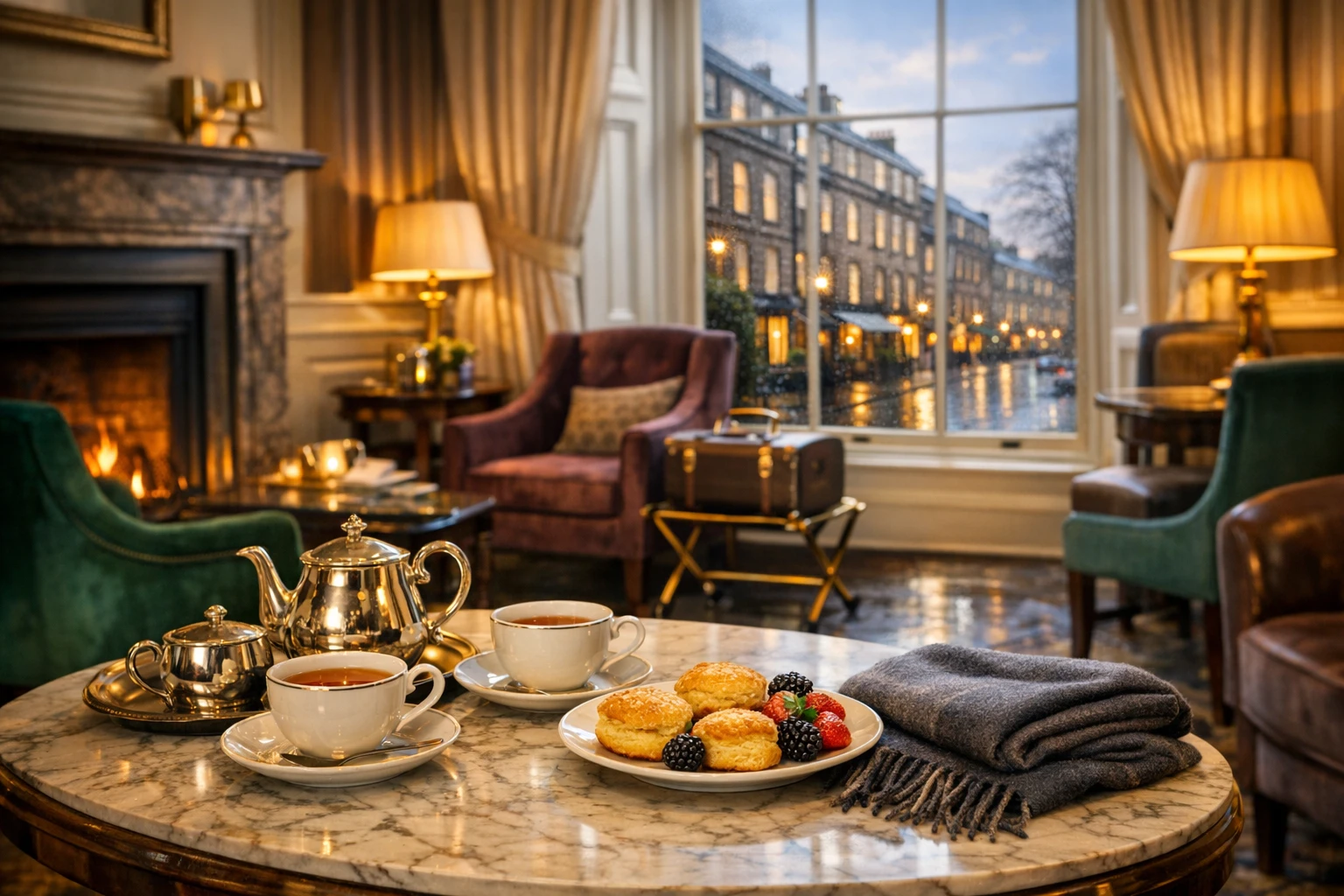
Comfort on a short break is also emotional, not just physical. After hours spent weaving through museums, closes, and viewpoints, small details begin to matter: a dry place for coats, tea-making facilities, staff who can recommend a late supper, luggage storage after checkout, or a lobby where you can regroup before heading to the station. Edinburgh can feel grand, windswept, scholarly, and festive all in one afternoon. The best hotel is the one that gives you a calm landing place in the middle of that changing mood.
How to Make the Most of Three Nights in the City
A three-night stay in Edinburgh works best when the plan has shape without becoming rigid. The city rewards walkers, curious eaters, museum lovers, and history enthusiasts, but it can also overwhelm visitors who try to treat every hour like an exam. The trick is to build the break around a few anchors, then leave enough breathing space for a café stop, a viewpoint, a detour into a bookshop, or a slow dinner that runs pleasantly longer than expected. A short escape should feel organised, not squeezed.
One practical pattern is to use arrival day for orientation rather than headline attractions. After check-in, a walk through Princes Street Gardens, the Scott Monument area, or the lower stretch of the Royal Mile helps you get your bearings. If energy allows, a first evening in the Grassmarket or along George Street can give the trip an immediate sense of place. On the second day, visitors often tackle the castle and Old Town, because those sites benefit from a fresh start and comfortable walking shoes. The third day can then shift toward Holyrood, Calton Hill, a museum, Dean Village, Stockbridge, or a food-led afternoon.
A useful short-break rhythm looks like this:
- Day 1: arrive, settle in, take a light walk, enjoy an unhurried dinner
- Day 2: focus on major heritage sights and a more structured route
- Day 3: combine one booked attraction with open time for neighbourhood wandering
- Departure day: keep plans local, simple, and easy to leave from
This structure avoids a common mistake: leaving too much for the final morning. Since checkout, luggage, and station or airport timing all need attention, departure day is better used for a calm breakfast, a nearby gallery, a final coffee, or a quick purchase from an independent shop rather than a high-pressure rush through a major site.
Edinburgh also changes character by season. In August, festivals reshape the atmosphere and accommodation prices often rise sharply. In winter, festive markets and shorter daylight hours alter how much you can comfortably fit in. Spring and autumn can offer a pleasing middle ground, with lighter crowds and a more measured pace. Whatever the month, the city often delivers its best moments between the obvious highlights: the sound of footsteps in a narrow close, a sudden view of spires after a turn, a warm restaurant window glowing against a grey sky. Those are the details that make three nights feel surprisingly complete.
Who This Kind of Edinburgh Break Suits Best
A three-night Edinburgh package can be a strong choice for several types of traveller, but it is especially appealing for people who want cultural depth without the commitment of a long holiday. First-time visitors often get the clearest benefit because the city offers a dense concentration of landmarks, walkable neighbourhoods, and memorable views within a manageable footprint. In practical terms, that means a short break can still feel substantial. You are not flying in simply to tick off one famous site and leave again; you are entering a place with enough variety to fill mornings, afternoons, and evenings without constant travel between districts.
Couples tend to enjoy this format because Edinburgh handles contrast well. One moment can be spent in a museum or historic close, the next over coffee in a quiet Georgian street, and later at dinner in a lively restaurant before an after-dark walk through the Old Town. Solo travellers also tend to do well here, largely because the centre is navigable, public transport is clear, and many major attractions suit independent pacing. Families can make it work too, although the ideal hotel choice becomes more important, especially if extra space, lift access, or flexible meal options are needed.
This kind of break is especially suitable for:
- First-time visitors wanting a balanced introduction to the city
- Weekend travellers who value heritage, walkability, and good food
- Rail travellers seeking a low-fuss escape with a central arrival point
- Visitors who prefer practical package value over highly scheduled touring
- People who care about hotel comfort because downtime is limited
It may be less suited to travellers who want a slow, countryside-focused Scottish itinerary, extensive day trips into the Highlands, or a resort-style holiday where most meals, drinks, and entertainment happen on site. Edinburgh shines as a city of texture, not as a sealed-off bubble. The reward comes from moving through it, noticing details, and returning to a comfortable base at the right moments.
For the target audience, the main question is simple: do you want a short trip that combines heritage, atmosphere, and convenience in one compact destination? If the answer is yes, Edinburgh remains a persuasive option. Choose a package with clear inclusions, a sensible location, and comfort features that match your habits. Book major attractions in advance where needed, leave room for spontaneous discoveries, and treat the city less like a race and more like a conversation. Done well, a three-night stay can feel neither hurried nor thin. It can feel exactly the right length.