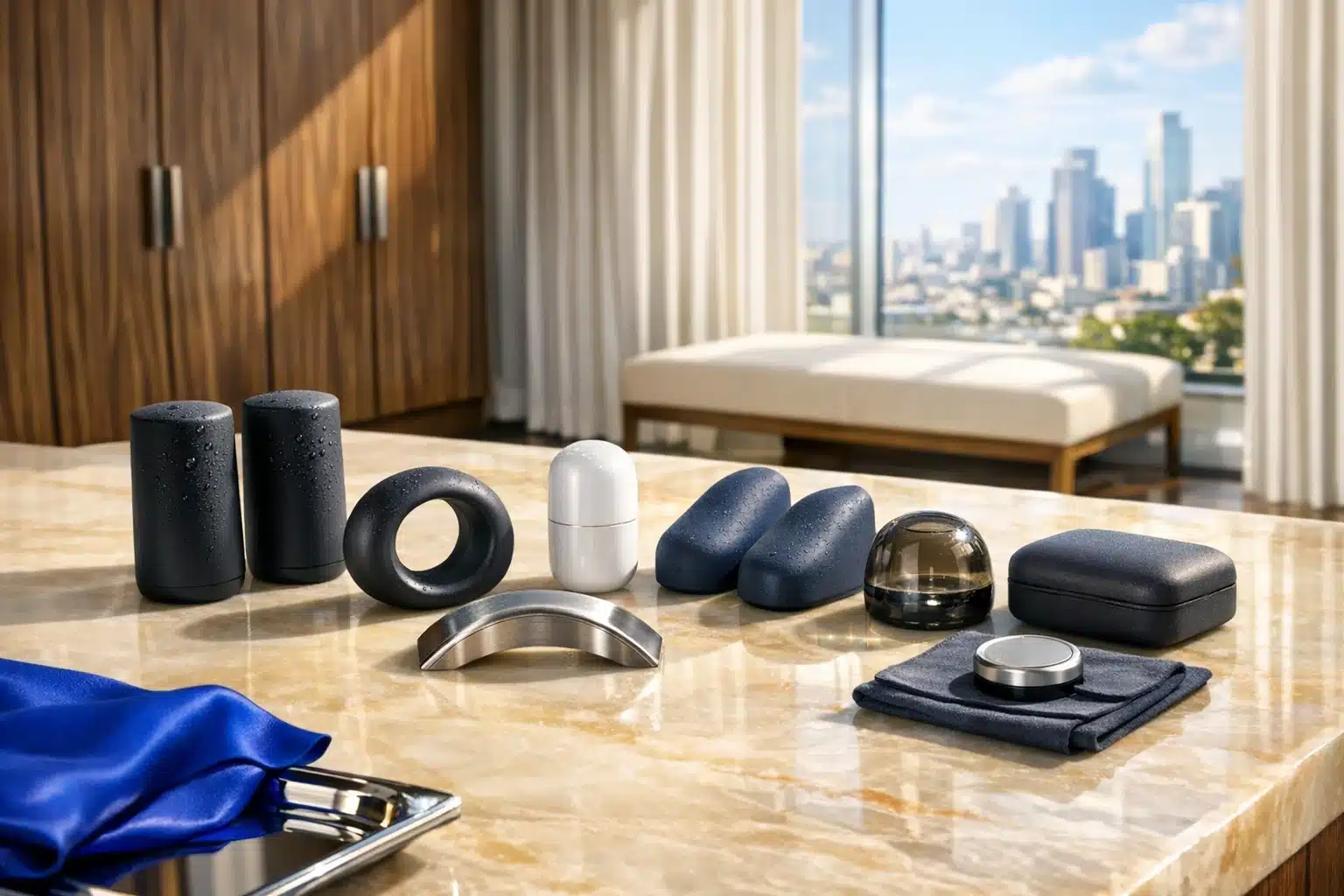
Ultimate Guide: Top 10 Male Intimate Devices Compared
Shopping for male intimate devices can feel oddly complicated: specs are vague, marketing is loud, and practical details often hide in the fine print. This guide cuts through that noise by focusing on three features that shape everyday ownership—material safety, automated motion, and discreet design—while also comparing value across different budgets. Whether you are curious, upgrading, or replacing an older model, the aim is to help you choose with more confidence and less guesswork.
Outline:
- How material choice affects hygiene, durability, and comfort
- What automated motion really changes in day-to-day use
- Why discreet design matters beyond simple appearance
- A practical comparison of ten common device styles
- Care, privacy, and final advice for different kinds of buyers
Material Safety: The Feature That Matters Before Anything Else
Material safety is the least glamorous specification on a product page, yet it is often the most important. When a device is designed for prolonged skin contact, the surface material affects comfort, odor retention, ease of cleaning, and long-term durability. In this category, the safest starting point is to look for non-porous materials such as platinum-cured silicone, ABS plastic, borosilicate glass, or stainless steel in any external or removable component. Non-porous surfaces are less likely to trap residue, they generally clean more thoroughly, and they tend to hold up better over time when maintained correctly. By contrast, porous materials such as many TPE or TPR blends can feel soft and flexible, but they are usually harder to sanitize completely and may degrade faster.
Silicone is especially common because it balances softness with durability. Good silicone feels smooth without being sticky, and it usually resists cracking better than cheaper elastomers. ABS plastic, meanwhile, is rigid, lightweight, and practical for outer shells or support frames. Its advantage is structure: it gives automated devices a stable housing and makes precise motion systems easier to build. The important detail is not simply the marketing phrase “body-safe,” because that term has no universal regulatory definition in retail copy. A better approach is to read the material list carefully, check whether the maker explains what touches the skin directly, and see whether removable sleeves can be washed separately.
Here are a few useful checks before buying:
- Look for clearly stated materials rather than vague wording.
- Prefer removable liners or inserts if cleaning convenience matters to you.
- Choose water-based lubricant with silicone contact surfaces unless the manufacturer states otherwise.
- Be cautious with heavily scented, jelly-like, or unspecified soft compounds.
Construction quality matters as much as raw material. Seams, internal folds, glued joints, and textured channels can all affect cleanliness. A device may use decent materials but still be annoying to maintain if it cannot be opened fully or dried properly. In practical terms, the safest and smartest choice is rarely the softest or cheapest one; it is the product that explains its materials clearly, separates contact parts from the motor housing when possible, and gives you a realistic path to cleaning and drying it after each use. A well-made device often feels less like a novelty and more like a personal appliance built for repeat, low-hassle use.
Automated Motion: What Smart Mechanics Add Beyond Novelty
Automated motion is one of the biggest dividing lines between basic and premium devices. At the entry level, many products rely on manual movement or a simple vibration motor. These can still work well for users who prefer direct control, lighter weight, and easier cleaning. Once automation enters the picture, however, the conversation changes from “does it vibrate?” to “how does the mechanism behave over time?” Better devices do not just add motion for spectacle; they use a stronger motor, more stable power delivery, and more thoughtful pattern design to create consistent performance from the first minute to the last.
There are several common approaches. Some devices focus on vibration with multiple frequencies, others use pulsation or pressure-based movement, and premium models may combine internal motion with responsive sensors or app-based pattern control. Each approach has trade-offs. Vibration tends to be mechanically simple and easier to package in smaller devices. Oscillation and pulsation can feel more dynamic, but they require sturdier internal engineering. Fully automated strokers or motion-driven units may offer hands-free convenience, yet they are often heavier, louder, and more expensive. As with many gadgets, complexity can improve the experience, but only when the basics—fit, comfort, runtime, and control layout—are already handled well.
Several technical details deserve attention:
- Battery life: many rechargeable units fall roughly in the 60 to 150 minute range depending on motor strength and heat management.
- Power consistency: strong motors should not fade sharply as battery charge drops.
- Control interface: physical buttons are often easier to use than fiddly touch panels.
- Travel lock and memory settings: small conveniences that matter more than advertisements suggest.
Smart features can be genuinely useful, but they are not automatically superior. App connectivity can help with fine-grained pattern control, firmware updates, and personalized presets. Still, a sleek app does not compensate for weak torque, awkward fit, or a device that is difficult to clean. Think of automation like automatic transmission in a car: when it is tuned well, it makes the ride smoother and more accessible; when it is poorly implemented, it adds cost without solving the core problem. The best automated motion feels controlled rather than chaotic, adaptable rather than gimmicky, and reliable enough that you stop thinking about the mechanism and simply notice the quality of the experience.
Discreet Design: Quiet Operation, Practical Storage, and Low-Profile Ownership
Discreet design is often misunderstood as a question of appearance alone, but it is broader than that. A truly discreet device does not only avoid an obvious shape; it also limits noise, simplifies storage, reduces cleanup time, and keeps charging or app behavior from becoming awkward in real life. In other words, discretion is about how comfortably the product fits into a normal routine. That matters for people living with roommates, partners, family members, or simply anyone who prefers their private purchases to remain private.
Noise is a major part of this discussion. Many manufacturers use words like “whisper quiet,” yet those descriptions mean little without context. In practice, quiet devices are not silent; they just produce less mechanical strain, less rattling, and fewer abrupt pitch changes when pressure shifts. Compact vibration-based devices can be relatively subdued, while automated motion systems with gears or stronger motors tend to create more audible sound. The difference between a soft hum and a cabinet-rattling buzz can decide whether a product feels premium or stressful. Thoughtful internal damping, balanced motors, and stable housings make a meaningful difference here.
Discreet design also shows up in details that buyers often overlook:
- Neutral packaging without flashy branding
- A case or pouch that protects the device from dust
- Magnetic charging or covered charging ports for easier upkeep
- Water-resistance ratings such as IPX6 or IPX7, which can simplify cleaning depending on construction
Storage and maintenance are closely linked to discretion. If a device takes too long to wash, dry, reassemble, and tuck away, it stops being convenient. Products with removable inner sleeves, hinged openings, or fewer impossible-to-reach corners usually win in everyday life, even if they are less dramatic in advertising photos. Visual design matters too. Some newer devices resemble ordinary personal electronics or grooming tools rather than loud novelty items, and that shift is not accidental. It reflects a broader change in the market: users increasingly want products that feel modern, restrained, and considerate of their space. The quietest kind of confidence often comes from design that does not demand attention, and in this category that is a genuine advantage.
Comparing 10 Device Styles Across Budget, Comfort, and Performance
Explore the best in male wellness: a hype-free guide to top-rated devices, comparing smart tech, comfort, and performance for every budget.
The phrase above captures the right mindset, but comparison works best when it stays practical. Rather than pretending one model is perfect for everyone, it is more honest to compare ten common device styles that show up across brands and price ranges. That gives shoppers a framework for understanding what they are paying for. At the budget end, a basic open-ended sleeve remains popular because it is simple, low-cost, light, and easy to store. Move one step up and you get a reusable textured sleeve with sturdier outer support, which often improves grip and durability. Add vibration and you enter the mid-range category where convenience grows, though battery quality becomes more important.
The next tier includes suction-focused designs, compact pulse devices, and warming models. These can feel more specialized, and they often appeal to buyers who already know the kind of stimulation or pacing they prefer. Then come automated strokers, oscillating cups, and app-connected devices. These typically cost more because they involve stronger housings, rechargeable systems, and more complicated internal mechanics. At the premium end, modular devices with removable components or multi-mode motion systems may offer the best flexibility, though not always the best value for every user.
A useful comparison of ten styles looks like this:
- Basic sleeve: lowest cost, highly portable, minimal features.
- Textured reusable sleeve: inexpensive upgrade, better grip, similar simplicity.
- Hard-case sleeve: easier handling, somewhat improved durability.
- Vibrating sleeve: broader range of sensation, depends on motor quality.
- Suction device: more enveloping feel, fit matters a lot.
- Compact pulse unit: travel friendly, usually less intense than larger devices.
- Warming device: added comfort, longer setup time.
- Automated stroker: convenience and consistency, heavier and louder.
- App-connected model: customizable patterns, potential privacy considerations.
- Premium modular system: versatile and refined, but often the priciest route.
Budget shoppers should prioritize safe materials and easy cleaning before chasing advanced features. Mid-range buyers often get the strongest value because that is where better construction, rechargeable power, and moderate automation begin to appear together. Premium buyers should expect not just more functions, but better execution: quieter operation, more precise control, stronger battery life, and less cleanup friction. The wisest comparison is not about chasing the most expensive device in the lineup. It is about finding the format that fits your space, habits, and expectations without paying extra for features that look exciting on paper and disappear in daily use.
Choosing Well: Care, Privacy, and Final Advice for Real-World Buyers
Once the product arrives, ownership becomes less about marketing and more about routine. Proper care affects durability, smell control, and overall satisfaction. After use, removable parts should be washed according to the manufacturer’s instructions, usually with warm water and a gentle cleanser suited to the material. Drying matters just as much as washing. Moisture trapped inside a sleeve, seam, or charging recess can shorten lifespan and create an unpleasant maintenance cycle. Rechargeable products also benefit from basic battery care: avoid leaving them completely drained for long periods, store them at a moderate temperature, and use the recommended charging method instead of random cables that happen to fit.
Privacy deserves equal attention, especially for automated and connected devices. If a model uses Bluetooth or an app, read the permissions screen, check whether account creation is optional, and see what data the brand says it stores. For many users, a simple offline device is more appealing precisely because it avoids that extra layer. Smart features are convenient when they improve control, but they should never come at the cost of comfort with your own data. A discreet case, a travel lock, and neutral billing or packaging can matter more than another dozen vibration modes.
Different buyers should use different decision rules:
- New users: start with safe materials, simple controls, and easy cleaning.
- Frequent users: prioritize durability, battery stability, and a removable liner.
- People in shared homes: focus on quiet operation, storage, and packaging discretion.
- Tech enthusiasts: compare app reliability and privacy terms, not only feature counts.
For readers trying to buy smarter rather than just spend more, the clearest takeaway is this: material safety should be the first filter, automated motion should be judged by reliability rather than novelty, and discreet design should be treated as a quality-of-life feature, not a cosmetic bonus. A good device fits into your life without creating cleanup hassles, noise worries, or buyer’s remorse. If you are comparing options today, look past bold claims and ask a calmer set of questions: What is it made from, how easy is it to maintain, how well does the motion system work, and will it still feel practical after the first week? Buyers who answer those questions honestly usually end up with better value, better comfort, and a much better chance of being happy with the purchase.