These Are the Panties People Are Choosing This Season
Underwear rarely gets the spotlight, yet it quietly shapes how clothes sit, how skin feels, and how confidently a day begins. This season, shoppers are paying closer attention to softness, breathability, and cuts that move easily from errands to office hours. Design trends are leaning practical without turning dull, which makes this a smart moment to rethink what lives in the top drawer. A good pair is no longer judged by appearance alone, but by the way fabric, fit, and function work together.
This guide is organized to move from the big seasonal picture to the details that matter most when you are actually choosing what to wear.
- The current shift toward practical, wearable underwear
- The fabrics and finishes defining this season
- The panty styles showing up most often in regular rotation
- The comfort details that make a real difference all day
- A simple approach to building a useful underwear drawer
1. The Season’s Underwear Mood: Practical, Soft, and Easy to Wear
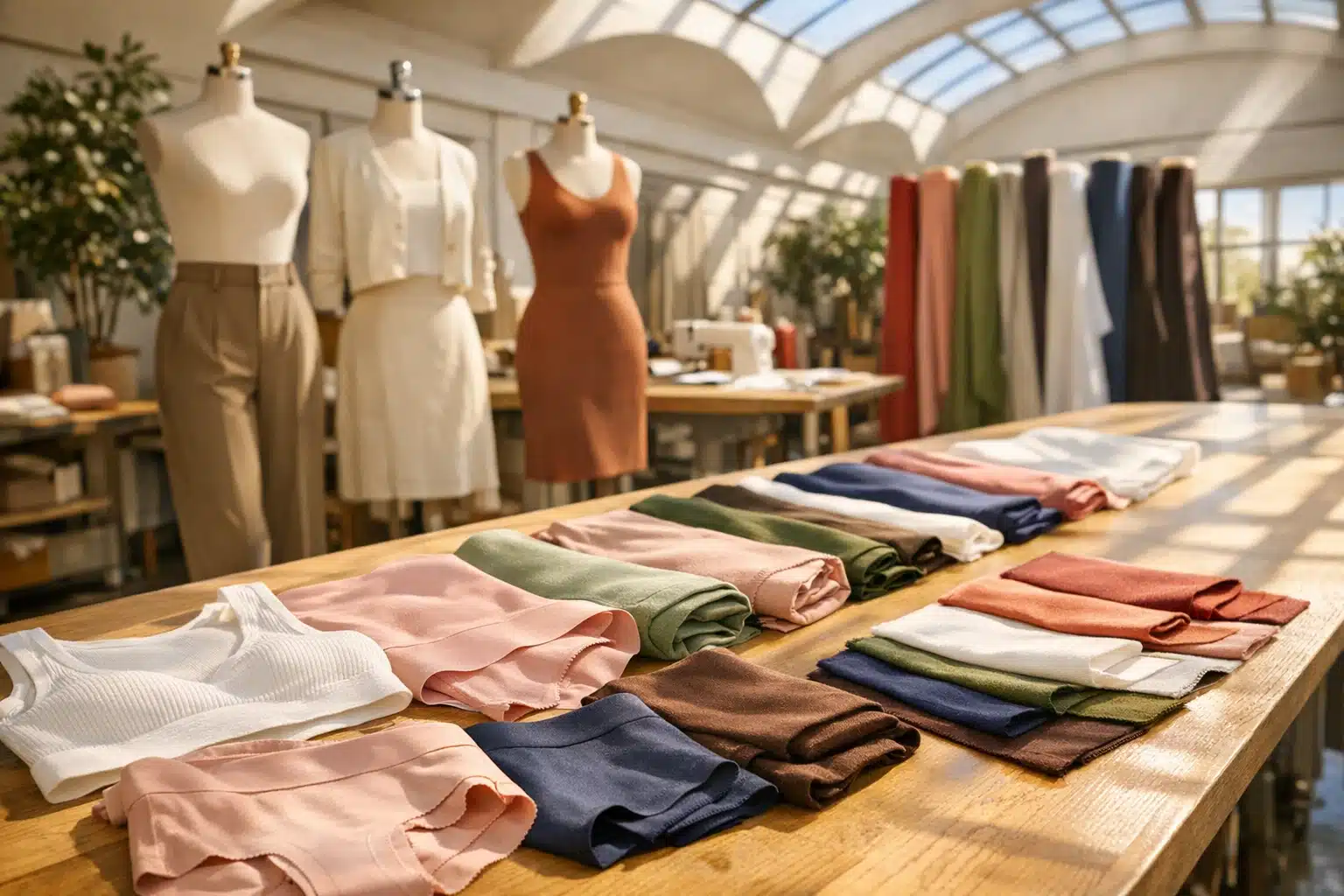
An overview of panties people are choosing this season, focusing on fabric choices, fit, and everyday wear.
The clearest change this season is not some dramatic runway idea filtering into real life. It is something quieter and more useful: people want underwear that disappears into the day instead of demanding attention every few hours. That means fewer stiff waistbands, fewer scratchy decorative details, and more designs that can sit under trousers, skirts, knit dresses, or lounge sets without causing bunching or irritation. Across mainstream collections, the emphasis has shifted toward underwear that looks clean, feels soft, and performs well under ordinary clothes rather than only special-occasion outfits.
Several forces are driving that shift. Hybrid work has changed expectations around comfort, and many shoppers no longer separate “home clothes” from “real clothes” as sharply as they once did. At the same time, fitted knits, wide-leg trousers, and lighter fabrics have made line management more important. Instead of building a drawer around novelty, many people are choosing versatile pairs that handle more than one role. The modern underwear drawer is beginning to look less like a pile of impulse buys and more like a toolkit.
What shoppers tend to prioritize now includes:
- Breathable fabrics that stay comfortable in long wear
- Stretch that recovers well instead of loosening by midday
- Waistbands that stay flat under clothing
- Cuts that do not pinch at the leg opening
- Colors that work under light and dark garments alike
Another notable trend is balance. People still want attractive underwear, but “attractive” increasingly means refined and wearable rather than overly ornate. Smooth finishes, matte textures, ribbed knits, cotton-rich blends, and muted tones are all part of that story. Even when brands introduce lace or mesh, it is often used in a lighter, more functional way than before. The goal is less about display and more about creating something that feels polished while remaining practical. That is why the season’s strongest trend is not tied to one exact silhouette. It is tied to a mindset: comfort first, but never sloppy; style present, but never at the cost of wearability.
2. Fabric Trends This Season: Why Material Matters More Than Ever
If style is the visible part of underwear, fabric is the part that determines whether a pair earns repeat use or gets pushed to the back of the drawer. This season, material choice is one of the biggest factors shaping buying decisions, and it is easy to understand why. Fabric affects temperature control, softness, stretch, moisture handling, and how well underwear sits under clothing. A good cut can still fail if the textile is too rigid, too slippery, or too dense for everyday wear.
Cotton remains a leader because it is familiar, breathable, and widely trusted for daily use. That said, the cotton underwear people are buying now is often improved by blends. A touch of elastane helps retain shape, while modal or other regenerated cellulosic fibers can create a softer, smoother hand feel. The result is a fabric that still feels grounded and practical but no longer looks or behaves like a basic multipack from years ago. Cotton-rich designs are especially popular for long office days, commuting, and warm-weather wear because they tend to manage comfort predictably.
Microfiber is another major player this season, especially in seamless and invisible styles. It appeals to shoppers who want underwear to sit smoothly beneath leggings, slip skirts, fitted trousers, and body-skimming dresses. Unlike traditional cotton, microfiber often offers a sleeker finish and can be especially effective when line visibility matters. The trade-off is that some people find synthetic-heavy blends less breathable for all-day use, so fit and quality become especially important.
Modal and similar soft drapey fabrics continue to gain ground because they combine a gentle feel with a more elevated appearance. They often have:
- A smooth surface that reduces friction
- Natural-looking drape without heaviness
- Enough stretch for movement without feeling tight
- A softer hand feel than many standard cotton jerseys
Seasonal collections also show more ribbed finishes, brushed textures, and light mesh panels, though the most successful versions use them sparingly. Decorative fabric only works when it still supports comfort. A ribbed brief can feel modern and cozy; a heavily textured pair under thin trousers can become annoying very quickly. That is the larger lesson of this season’s material trends: people are paying attention not only to what a fabric is, but to how it behaves from morning to evening. In underwear, that difference is everything.
3. Popular Panty Styles: The Cuts People Keep Reaching For
No single panty style dominates every drawer, because different cuts solve different problems. Still, a few silhouettes are showing up again and again this season because they balance comfort, practicality, and a modern look. Rather than chasing novelty, most shoppers are refining their rotation around the styles that fit their clothes and routines most consistently.
The classic brief is having a strong moment, especially in slightly updated versions with cleaner leg openings and softer waistbands. Many people are rediscovering briefs because they provide full coverage, feel stable during movement, and work well under relaxed denim, tailored trousers, and everyday dresses. High-waist briefs are especially popular, not only for the smooth line they create under clothing but also for the sense of security they offer. They do not need constant adjusting, and that alone gives them a practical advantage.
Bikini cuts remain a staple because they sit between minimal and full-coverage designs. For many shoppers, they are the most versatile middle ground: low enough to work under mid-rise bottoms, yet substantial enough to feel reliable during daily wear. Hipsters and short-style cuts also continue to attract people who prefer a more horizontal fit across the hips, especially under casual clothing. They often feel relaxed and easy, though the right leg opening is essential to prevent rolling or riding up.
Seamless thongs remain common, particularly for outfits where visible lines are the main concern. They are frequently chosen for fitted garments, but this season’s better versions focus on softer edges and improved stretch rather than just being minimal. At the same time, thongs are no longer framed as the default answer for every sleek outfit. Many shoppers are choosing laser-cut bikinis or seamless briefs instead, especially when they want invisibility without a less-covered feel.
The most popular styles this season can be grouped by what they do best:
- Briefs and high-waist briefs for support, coverage, and all-day stability
- Bikini cuts for flexibility across many outfits
- Hipsters for casual comfort and lower-rise dressing
- Seamless options for fitted clothing and reduced line visibility
- Thongs for specific outfits where a barely-there back is preferred
The real takeaway is that shoppers are becoming more strategic. Instead of asking which style is most fashionable in the abstract, they are asking which style makes sense under their own clothes. That is a healthier and more realistic way to approach trends. A panty style becomes popular not only when it looks current, but when it survives a busy day without becoming a nuisance.
4. Everyday Comfort Underwear: The Details That Change the Experience
Comfort in underwear is often described vaguely, but in practice it comes down to specific design choices. A pair can look almost identical to another on a hanger and feel completely different after three hours of sitting, walking, commuting, or dealing with heat. This is why everyday comfort underwear has become such an important topic. People are not just buying for appearance anymore; they are buying for lived experience.
The first major factor is fit. Too tight, and the leg openings dig in or shift upward. Too loose, and the fabric bunches or loses support. Good everyday underwear sits securely without pressing into the skin, and that balance depends on the cut as much as the size. A high-waist brief that is correctly fitted can feel smoother than a bikini that is technically your size but cut too narrowly through the hip. In other words, comfort is not just about sizing up or down. It is about proportional design.
Waistbands deserve more attention than they usually get. Wide, soft waistbands often outperform narrow elastic ones because they distribute pressure more evenly and are less likely to twist. Flat seams are another quiet hero. Under thin trousers or knit dresses, raised seams can create visible ridges and physical irritation. A lined gusset, breathable construction, and gentle stretch recovery also matter, especially for people wearing the same pair from early morning until evening.
For daily comfort, these features often matter most:
- Breathability, especially in warm weather or long wear
- Soft elastic that does not leave harsh marks
- Leg openings that stay in place without cutting in
- Fabric recovery that prevents sagging after several hours
- Construction that suits your most common outfits
Routine plays a role too. Someone who spends the day at a desk may want smooth, flexible pairs that stay comfortable while seated for long stretches. Someone frequently on the move may prefer more coverage and stability. Even laundry habits affect comfort over time; harsh washing and high heat can wear down elastic, making once-reliable underwear feel rough or misshapen. The best everyday pairs are rarely the loudest or most decorated. They are the ones you forget about while wearing, then reach for again without hesitation. That, more than marketing language, is the true test of comfort.
5. Conclusion: How to Build a Better Underwear Drawer This Season
If you are trying to shop more wisely this season, the simplest approach is to build around real life rather than fantasy versions of your wardrobe. Start with the clothes you wear most: work trousers, jeans, soft dresses, skirts, leggings, or relaxed lounge pieces. Then choose underwear that supports those items instead of forcing every outfit to work around a single cut. This sounds obvious, but many drawers are filled with pieces bought for isolated moments rather than daily usefulness.
A practical rotation usually benefits from variety, not excess. For many people, that means a core of cotton-rich or modal everyday pairs, a few seamless styles for thinner fabrics, and one or two specific cuts for outfits that need them. High-waist briefs can be ideal for support and smoothing under many garments. Bikini cuts are often dependable all-rounders. A seamless option can solve line issues without requiring you to rebuild the whole drawer. The point is not to own every style. It is to own the right mix.
When choosing new pairs, keep this checklist in mind:
- Does the fabric suit your climate and daily activity level?
- Will the cut work with the rise of your most-worn bottoms?
- Does the waistband stay flat and comfortable?
- Can the pair handle repeated washing without losing shape?
- Would you realistically want to wear it for a full day?
It also helps to be honest about what no longer works. Underwear that twists, rides up, digs in, or has stretched-out elastic is not doing its job. Replacing those pieces can improve comfort more noticeably than chasing trend headlines. Think of this season as an edit, not a complete reinvention. Keep what performs well, upgrade what does not, and focus on fabrics and cuts that match how you actually dress.
For readers looking for everyday comfort underwear without giving up style, the current season is unusually forgiving in the best way. The trend direction supports sensible choices: soft materials, cleaner finishes, versatile silhouettes, and a stronger understanding that basics should still feel considered. If your goal is a drawer full of pairs that look current, wear well, and make ordinary days easier, this is the right time to choose with intention rather than impulse.