3-Night All-Inclusive Hotel Stay in York: What to Expect
York rewards short breaks because the city is compact, walkable, and layered with history at almost every turn. In just three nights, travelers can pair cathedral visits and museum stops with slow breakfasts, riverside strolls, and evenings in characterful hotels. That balance appeals to couples, solo visitors, and friends who want a change of scene without planning a complicated trip. Knowing what hotels usually include also makes it easier to book a stay that feels comfortable, practical, and worthwhile.
Outline:
– What is usually included in a three-night York hotel stay
– Which historic attractions travelers most often explore
– How hotel comfort influences a short getaway
– Why three nights often works better than a rushed weekend
– Who gets the best value from this style of city break
1. What a 3-Night York Hotel Stay Usually Includes
When travelers see the phrase all-inclusive in relation to York, it is worth pausing for a moment. Unlike large resort destinations where meals, drinks, entertainment, and activities are bundled into one standard price, York more commonly offers short-break packages built around accommodation plus selected extras. In practical terms, a three-night stay in York often means a room for three consecutive nights, daily breakfast, Wi-Fi, tea and coffee facilities, housekeeping, and access to standard hotel amenities. Some higher-end offers may add dinner on one evening, a bottle of wine on arrival, parking, or late checkout. That is why reading the package details matters more than relying on the headline alone.
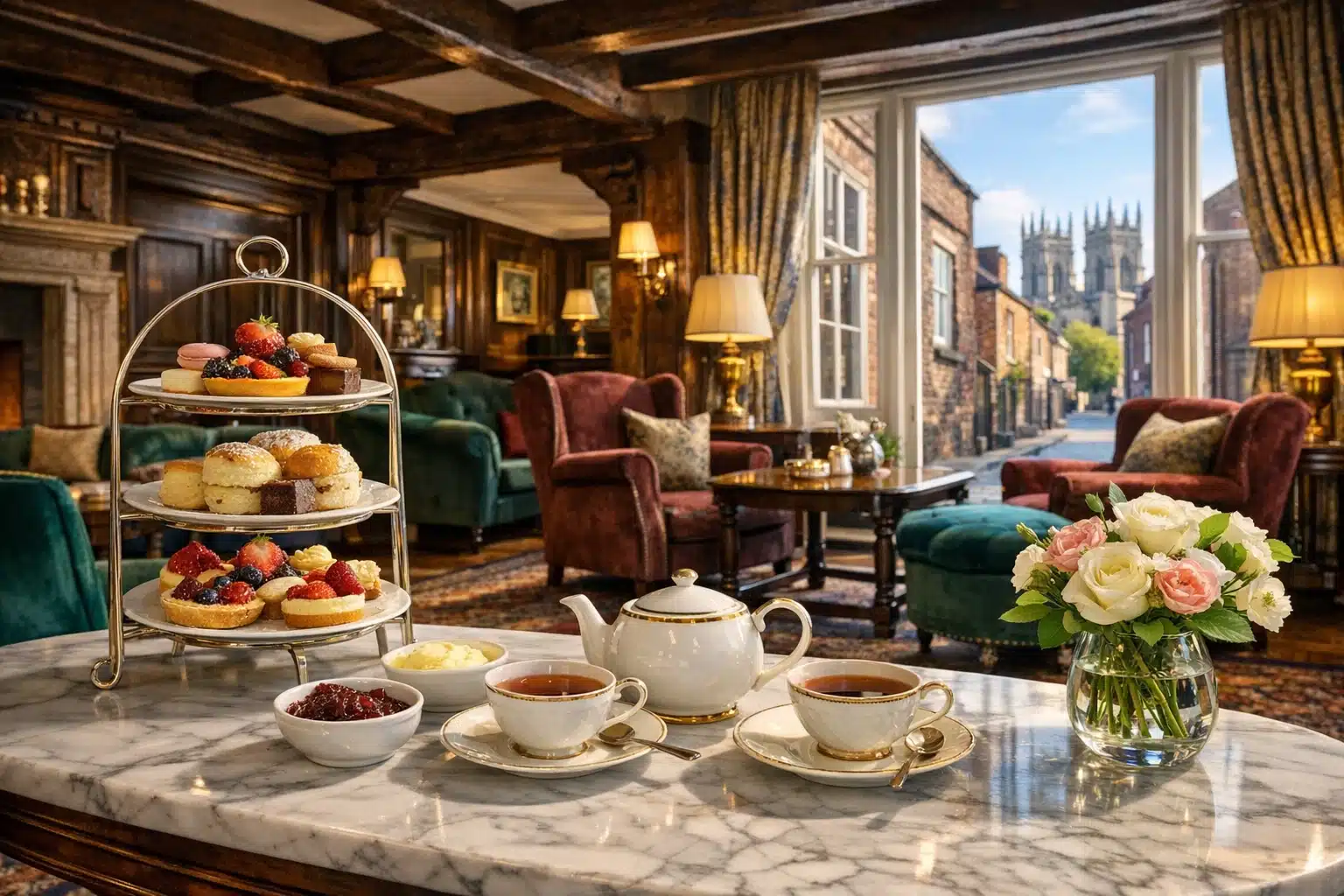
Explore 3-night York hotel stay trends with insights on accommodations, local attractions, comfort features, and travel experiences.
The most typical inclusions look something like this:
– An en suite room in a city-centre hotel, guesthouse, or converted historic building
– Breakfast each morning, often full English, continental, or a mix of both
– Complimentary Wi-Fi and basic in-room refreshments
– Daily room servicing
– Front-desk assistance with directions, taxis, and local recommendations
Beyond that, the differences begin to matter. Boutique hotels may include more atmosphere than extras: original beams, sash windows, or views toward old streets, but fewer leisure facilities. Larger chains often provide a more predictable setup, such as lifts, air conditioning, blackout curtains, and consistent mattress quality. Spa or country-house properties on the edges of York may offer use of a pool, sauna, or treatment discount, though they are less likely to place you within immediate walking distance of the Minster or the Shambles.
Travelers should also check what is not included. Parking in York can be limited and expensive. Dinner is not automatically part of most packages. Drinks are rarely bundled outside special promotions. Attraction tickets are usually separate unless the hotel explicitly sells a themed break. For many visitors, that is actually a good thing, because it leaves room to choose local pubs, tearooms, and museums according to personal interest rather than a fixed schedule. A well-chosen three-night package in York is less about endless inclusions and more about getting the right mix of convenience, comfort, and location for a city where the streets themselves feel like part of the attraction.
2. Choosing the Right Hotel for Comfort, Location, and Value
Comfort on a short getaway is not a luxury detail; it shapes the entire mood of the trip. In a city like York, where many travelers spend the day walking cobbled lanes, climbing towers, and visiting museums, the hotel becomes the place where the pace resets. A good bed, a quiet room, and a reliable breakfast can make the difference between a city break that feels refreshing and one that feels oddly tiring. For that reason, booking the right property matters just as much as building the right itinerary.
Location is usually the first major choice. Hotels within the city walls let guests step straight into York’s historic core. That means easier access to York Minster, the Shambles, riverside walks, restaurants, and evening bars without needing taxis or parking plans. The trade-off is that central properties can be noisier, especially on weekends, and some older buildings have compact rooms or limited lift access. Hotels just outside the centre often provide better rates, larger rooms, and simpler parking, but they require a longer walk or a short bus ride. For travelers who value quiet sleep over immediate scenery, that extra distance can be worthwhile.
Room style also varies widely across York. Broadly speaking, travelers tend to compare three types:
– Historic inns and boutique hotels with distinctive character
– Mid-range chain hotels with standardized comfort and efficient service
– Premium properties with larger rooms, upgraded dining, and added amenities such as lounges or spa access
The comfort features worth checking are surprisingly practical. Look for mattress quality in reviews, not just room photos. Confirm whether the room has air conditioning, especially for summer stays, because older buildings do not always stay cool. Ask whether windows face a main road, a courtyard, or nearby nightlife. Check bathroom size, water pressure, and whether breakfast is served buffet-style or cooked to order. If accessibility matters, verify lifts, step-free access, and walk-in shower availability rather than assuming them.
Value in York is not only about the lowest nightly rate. A slightly higher price can save money elsewhere if it includes breakfast, avoids taxi fares, or reduces the need for midday breaks because the hotel is close enough to return and rest. The best three-night stays often combine location, decent sleep quality, and a sense of ease. After a day spent tracing centuries of history, returning to a room that feels calm, clean, and thoughtfully arranged gives the whole trip a more generous rhythm.
3. Historic Attractions Travelers Commonly Explore in York
York’s appeal rests heavily on its concentration of historic attractions. This is not a place where one famous landmark carries the entire trip. Instead, the city unfolds in layers: Roman roots, Viking heritage, medieval streets, Georgian interiors, railway history, and religious architecture that still dominates the skyline. For travelers on a three-night stay, that density is ideal because a short visit can still feel rich and varied without constant long-distance travel.
York Minster is usually the starting point, and for good reason. As one of the largest Gothic cathedrals in Northern Europe, it is both a visual anchor and a historical summary in stone and glass. Visitors come for the soaring nave, the Great East Window, the underground chambers, and, for those willing to climb, tower views over rooftops and old lanes. Nearby, the medieval streets around the Minster Quarter encourage slow exploration rather than box-ticking. Even a simple walk there has texture: worn steps, carved façades, narrow passages, and the feeling that the city still remembers earlier centuries.
Another major draw is the city wall circuit. York is known for having some of the most substantial medieval walls in England, stretching for roughly two miles in walkable sections. The walk offers orientation as well as atmosphere. From up there, travelers can understand how compact the historic centre really is. You see railway lines, church spires, gardens, gatehouses, and everyday life moving around a frame built long ago.
Among the most frequently visited sights are:
– The Shambles, famous for its narrow medieval character and overhanging timber-framed buildings
– JORVIK Viking Centre, which interprets York’s Norse past through immersive displays
– Clifford’s Tower, where elevated views and layered history meet on a dramatic mound
– York Castle Museum, known for recreated period streets and social history collections
– The National Railway Museum, a major attraction for rail enthusiasts and curious general visitors alike
What makes these places work well for short-stay travelers is variety. One morning might begin beneath stained glass, while the afternoon moves through Viking archaeology or railway engineering. York does not ask visitors to admire history from a distance; it lets them move through it. A lane opens onto a market square, a museum reveals ordinary domestic life, and a tower climb reframes the entire map. That variety helps a three-night stay feel full without becoming repetitive, which is one reason the city remains such a dependable choice for heritage-focused breaks.
4. How Hotel Comfort Shapes the Feel of a Short Getaway
There is a practical reason three nights in York often feels more satisfying than two: it creates room for both discovery and pause. On a two-night trip, visitors tend to arrive, rush, queue, eat quickly, sleep, and leave just as they begin to settle in. Add one extra night and the city changes character. Suddenly there is time for an unplanned museum, a second cup of coffee, a detour along the river, or a brief rest before dinner. That softer rhythm is where hotel comfort starts to matter most.
Imagine the shape of a typical stay. On the first afternoon, guests check in, drop their bags, and head out for an introductory wander. They might cross Bootham Bar, glimpse the Minster, and let the evening unfold over a pub meal or a candlelit restaurant table. The second day often carries the heaviest sightseeing load: cathedral, walls, museums, and shopping. The third day is where the trip becomes personal. That is when travelers revisit a favorite street, book afternoon tea, browse independent shops, or take a river cruise simply because they can. The final morning becomes less frantic if the hotel offers luggage storage or a later checkout.
Short-break comfort often depends on a series of modest details:
– A breakfast service that starts early enough for full sightseeing days
– A room quiet enough to recover after hours on foot
– Good lighting, seating, and storage so the space feels usable rather than cramped
– Staff who can recommend routes, book taxis, or help with last-minute plans
– Flexible checkout or luggage holding for departure day
Season also changes the mood. In winter, a warm room and a generous breakfast feel especially valuable after cold walks along stone streets. In spring and summer, ventilation, lighter bedding, and access to outdoor seating matter more. During the Christmas market period or school holidays, the city can feel lively and busy, so a calm hotel environment becomes part of the appeal. In quieter months, a central stay can make the city feel almost cinematic, with early morning streets offering a calmer view of famous places.
A comfortable York hotel does not need to be extravagant. What it needs is to support the way travelers actually use a short break: sleep well, start easily, return without hassle, and leave with enough energy to remember the city fondly rather than merely surviving it. When those elements line up, the getaway takes on a pleasing texture, part heritage trip, part reset button, with just enough indulgence to feel like time well claimed.
5. Conclusion: Who a 3-Night York Stay Suits Best
A three-night stay in York works especially well for travelers who want depth without complexity. It suits first-time visitors because the city’s major attractions are concentrated and easy to combine. It suits returning visitors because there is always another angle to explore, whether that means delving deeper into museum collections, trying a different neighborhood restaurant, or simply slowing down and noticing details missed the first time. It also fits rail travelers particularly well, since York is a strong hub for train connections and does not require a car once you arrive in the centre.
For couples, York offers an easy blend of romance and practicality: atmospheric streets, old pubs, independent cafés, and hotels with plenty of character. For solo travelers, the city feels manageable and rewarding, with enough structure to fill a few days and enough flexibility to wander safely and spontaneously. Friends on a short break often appreciate the balance between shared sightseeing and relaxed evening dining. Even multigenerational groups can do well here if they book carefully, choosing accommodation with lift access, larger rooms, or quieter surroundings.
The smartest approach is to book with clear expectations. Before confirming a stay, travelers should check:
– Whether breakfast is included every day
– How far the hotel is from the historic centre
– Whether parking, late checkout, or dinner credits cost extra
– What reviews say about noise, cleanliness, and mattress comfort
– Which attractions need pre-booking during busy periods
The key audience for this kind of trip is the traveler who values experience over excess. York is not about endless resort entertainment or exaggerated luxury claims. Its strength lies in concentration: a beautiful historic setting, strong museum culture, walkable streets, and hotels that can turn a compact break into a genuinely restorative one. If you choose a property that matches your pace and priorities, three nights is enough time to see the famous landmarks, enjoy good food, and still have a few unstructured hours to let the city work its quieter magic. For people seeking a short, well-rounded escape, York remains one of the most reliable choices in England.