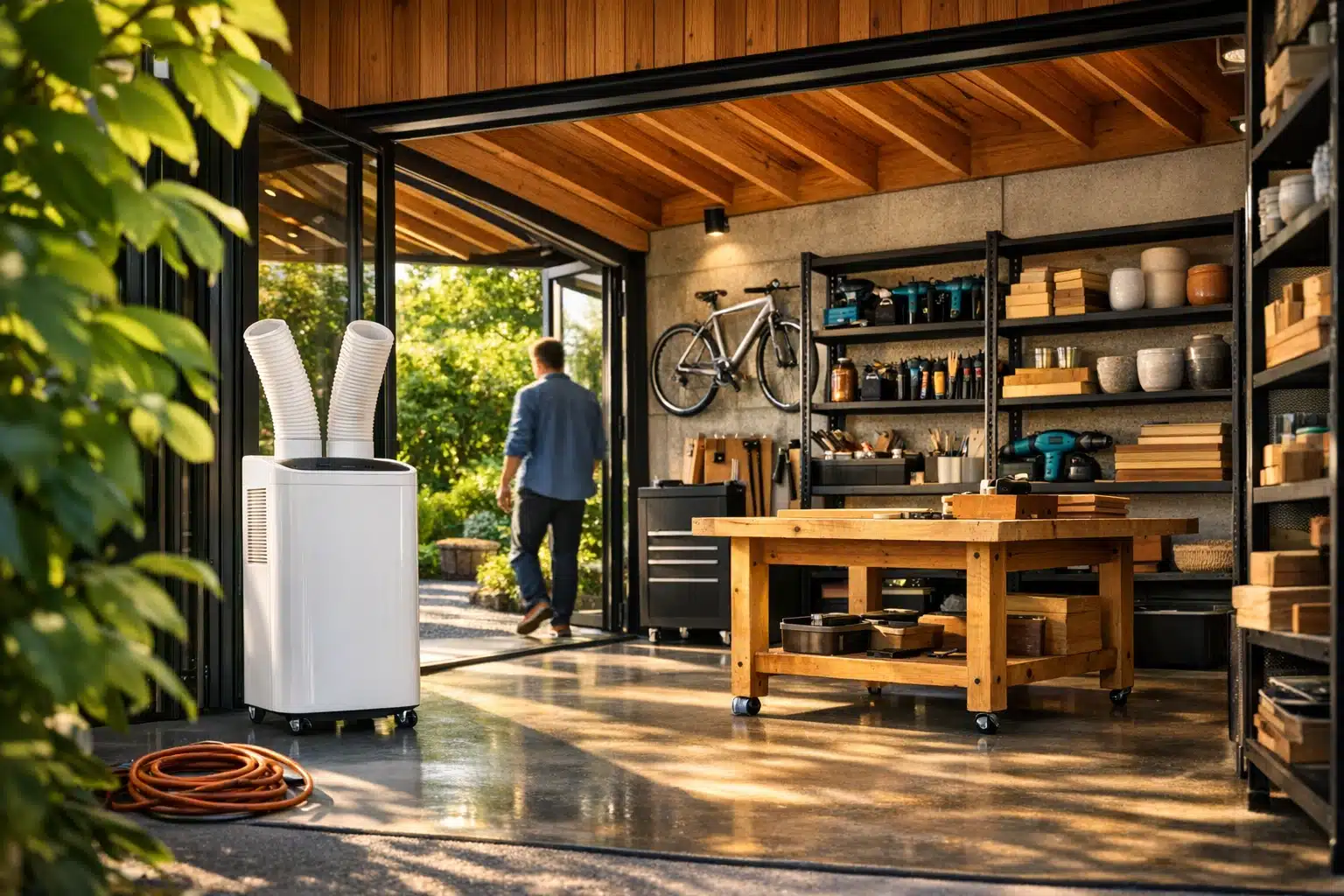
Explore Portable HVAC Systems – Compare Solutions for Garages, RVs, and Workshops
Small spaces punish bad HVAC choices fast. An oversized unit short cycles, leaves humidity behind, and wastes power, while an undersized one drones for hours without truly fixing the room. Garages, RVs, workshops, and tiny homes add extra complications because insulation, door leaks, tools, sun exposure, and limited electrical capacity all change the equation. A careful, budget-minded comparison can deliver steady comfort without turning every utility bill into a small surprise.
Outline and Core Buying Principles for Small-Space HVAC
Before comparing machines, it helps to map the problem clearly. A tiny home, a workshop corner, and an RV may all be small in square footage, yet they behave very differently once the sun hits the roof, a garage door opens, or power is limited to a modest circuit. This article first outlines the key decision points, then expands each one so you can move from vague shopping ideas to a sensible purchase plan.
- Start with the room or vehicle size, insulation quality, and climate.
- Compare cooling output, heating method, and airflow direction.
- Check sound levels, electrical requirements, and expected energy use.
- Match the unit type to the space: garage, workshop, RV, or tiny home.
- Factor in installation cost, maintenance, and long-term operating expense.
The first principle is that capacity matters more than marketing labels. Many buyers focus on “portable,” “quiet,” or “high efficiency” without asking whether the unit can actually handle the load. Cooling is commonly measured in BTUs, but with portable air conditioners, the more useful number is often SACC, which reflects real-world performance better than older rating methods. A lightly insulated garage with sun on the door can need far more cooling than a well-sealed bedroom of the same size. On the heating side, resistance heaters are cheap to buy but can be expensive to run, while heat pumps cost more upfront and usually use electricity more efficiently in mild to moderately cold weather.
The second principle is that small spaces reveal noise faster than large ones. In a roomy living area, a 55 dB unit may seem tolerable. In an RV sleeping area or a tiny home loft, that same sound can feel like an engine idling beside your pillow. Compressor placement, fan speed options, and inverter technology make a real difference here. Variable-speed systems tend to sound calmer because they do not slam on and off as abruptly as fixed-speed models.
The third principle is that price should include more than the sticker. A cheap portable unit can become expensive if it draws more power, struggles with humidity, or needs constant draining. Likewise, a pricier mini-split may pay back part of its cost over time through lower energy bills and better comfort. Think of HVAC like shoes for a long walk: buying the least expensive pair is not always the cheapest decision once the journey starts.
How to Compare Heating, Cooling, Noise Levels, and Energy Use
When shoppers compare HVAC units for small spaces, four performance categories deserve close attention: heating, cooling, noise, and energy use. All four interact. A unit that cools aggressively but sounds harsh may be fine in a noisy workshop and miserable in a tiny home. A heater that is cheap to buy may be the wrong choice if it sends electric bills climbing all winter. Reading the specification sheet carefully can save money and frustration.
For cooling, start with realistic sizing. A compact insulated room may be served by a lower-capacity unit, while a hot garage or metal-sided workshop often needs more. Ceiling height, window area, occupancy, and equipment heat all matter. Power tools, refrigerators, welders, and even parked vehicles can add heat that a basic room-size estimate misses. Portable air conditioners are easy to install, but single-hose models can create negative pressure and pull warm outside air in through gaps. Dual-hose models usually perform better because they separate intake and exhaust air streams, though they often cost more.
For heating, the main budget choices are electric resistance heat, heat pumps, and in some cases fuel-burning heaters. Electric resistance units are simple and inexpensive upfront, but they convert electricity to heat at a one-to-one rate, which means operating cost can climb quickly. Heat pumps move heat rather than generate it directly, so they are often more efficient, especially in moderate climates. Cold-climate performance varies by model, so shoppers in harsh winters should verify the low-temperature heating range instead of assuming every heat pump behaves the same.
Noise levels deserve more attention than many buyers give them. Manufacturers may list decibel ratings, but always look at the fan setting used for that number. A claimed low dB figure on the lowest speed may not reflect real everyday use in midsummer. In general:
- Portable AC units often land in the louder range because the compressor sits inside the room.
- Window units vary widely, from basic loud designs to quieter inverter versions.
- Mini-splits are often quieter indoors because the noisy components sit outside.
- Small space heaters can be nearly silent if they use radiant or oil-filled designs.
Energy use is where labels matter. Look for CEER or EER on room air conditioners and SEER2 or HSPF2 on heat pumps when available. Also check wattage and voltage. A 120V plug may seem convenient, but circuit limits matter in garages and RVs where other appliances share the load. If a unit draws close to the circuit maximum, nuisance trips become more likely. Good energy performance is not only about efficiency labels, either. Better sealing, insulated doors, reflective shades, and weatherstripping often reduce HVAC demand enough to let you buy a smaller, cheaper unit in the first place.
Best Budget-Friendly Choices for Garages and Workshops
Garages and workshops are among the hardest small spaces to condition well on a budget. They often have leaky doors, thin insulation, concrete floors, dusty air, and frequent opening and closing that wipes out conditioned air. Still, several HVAC approaches can work if expectations are matched to the space. The right option depends on whether you need occasional comfort for hobby use or daily climate control for serious work.
Explore portable HVAC systems for garages, RVs, and workshops — compare features, pricing, and options to stay comfortable year‑round.
Portable air conditioners appeal to many garage and workshop owners because they need little installation. Roll one in, vent it through a window or wall kit, and you have a fast cooling setup. For occasional summer use in a one-car garage or enclosed work bay, this can be a reasonable value. The biggest cautions are noise, hose heat loss, and condensate management. In a dusty workshop, filters may need cleaning more often than expected, and fine debris can reduce airflow if maintenance slips.
Window air conditioners usually offer better cooling efficiency per dollar than portable units. If the space has a suitable window or framed opening, a decent inverter window unit can cool more effectively and more quietly than a similarly priced portable model. For garages that do not have proper windows, a through-wall installation may be possible, though installation cost can narrow the savings. If winter heating is also needed, some window units offer heat pump or electric heat modes, but their cold-weather performance varies.
For year-round use, a small ductless mini-split often becomes the most balanced choice. Upfront cost is higher, especially with professional installation, yet it provides efficient cooling, heat pump heating, better humidity control, and much lower indoor noise. In a workshop where concentration matters, the quieter operation alone can justify the upgrade. It also frees floor space, which portable units cannot do.
- Lowest upfront cost: basic electric heaters plus a fan for short cold-weather sessions.
- Best cooling value: inverter window units where installation is possible.
- Best all-season performance: small mini-splits for insulated garages and workshops.
- Best temporary setup: dual-hose portable AC units for renters or flexible layouts.
One more garage-specific note: heating a space used for vehicles, paints, solvents, or wood dust requires attention to safety and ventilation. A heater should suit the environment, and open-flame solutions may be inappropriate for some workshop conditions. If the goal is comfort while doing weekend projects, you may not need to condition the entire garage. Sometimes the most budget-friendly strategy is to seal leaks, insulate the door, and heat or cool the occupied zone rather than every cubic foot in the building.
What Usually Works Best in RVs and Tiny Homes
RVs and tiny homes share a compact footprint, but their HVAC priorities can diverge. RVs face vibration, changing climates, campground power limits, and rooftop exposure. Tiny homes deal more with permanent comfort, low ambient noise, and the need to heat and cool efficiently over long stretches. In both cases, every square foot matters, so the wrong unit can eat storage, overload circuits, or make sleep harder than it should be.
In RVs, rooftop air conditioners remain common because they preserve interior floor space and are built for mobile use. They can be effective, but many are not especially quiet, and some draw substantial power during startup. If campground hookups are limited or you rely partly on a generator, power management becomes crucial. Soft-start devices, efficient rooftop models, and careful appliance scheduling can help. Portable air conditioners are usually less ideal in RVs because they occupy precious floor area and require venting arrangements that are often awkward. However, they can serve as supplemental cooling in stationary situations where the layout allows safe venting and condensate handling.
Tiny homes often benefit from mini-splits more than almost any other category. A properly sized single-zone unit can cool efficiently in summer, heat economically in shoulder seasons, and run quietly enough for close-quarter living. Because tiny homes often have open floor plans, air circulation tends to be better than in chopped-up layouts. The caution is sizing. Oversizing can lead to short cycling and poor humidity removal, while undersizing can leave lofts or sunny corners uncomfortable.
Heating choices also shift by lifestyle. If you live in the space full time, running cost matters more than if you only use it on weekends. Electric resistance heaters may work as backup or targeted heat, especially for bathrooms or desk areas, but a heat pump usually offers better everyday efficiency. Some off-grid or mixed-fuel setups use alternative heating sources, though these require careful attention to ventilation, local codes, and safety devices such as carbon monoxide alarms where applicable.
- For stationary tiny homes: mini-split systems are often the strongest all-around fit.
- For travel-ready RVs: rooftop AC paired with efficient supplemental heating is common.
- For shoulder-season comfort: small heat pumps can reduce operating cost significantly.
- For sleeping comfort: prioritize low indoor noise and stable overnight temperature control.
There is also the matter of moisture. In compact living spaces, showering, cooking, and breathing can raise indoor humidity quickly. That is why dehumidification performance matters almost as much as raw cooling power. In a tiny home, balanced ventilation and exhaust fans help the HVAC unit work better. In an RV, reflective shades, exterior awnings, and parking orientation can lighten the load before the air conditioner even turns on. Sometimes comfort starts with shade, not machinery.
Practical Buying Checklist and Conclusion for Budget-Minded Owners
If you want a budget-friendly HVAC unit for a small space, the smartest path is not to chase the cheapest machine on the shelf. Instead, decide how the space is actually used, how often it needs conditioning, and what trade-offs you can live with. A garage used twice a month deserves a different budget than a tiny home occupied every day. An RV parked seasonally in mild weather can get by with simpler equipment than a workshop running through humid summers and cold mornings.
A practical buying checklist looks like this:
- Measure the space and note ceiling height, insulation, windows, and air leaks.
- List the real purpose of the area: sleeping, working, storage, hobbies, or full-time living.
- Check electrical limits, including outlet type, circuit capacity, and shared loads.
- Set a full budget that includes installation, weather sealing, and maintenance supplies.
- Decide which matters most: low price, quiet operation, lowest energy use, or year-round flexibility.
In many cases, the best budget decision falls into one of three bands. Under a modest entry-level budget, window units and targeted electric heaters usually deliver the most value where installation is possible. In the middle range, better dual-hose portable ACs, inverter window units, and select combination products can serve renters or flexible work areas well. At the higher end, small mini-splits often become the most economical long-term choice for people who need both heating and cooling regularly. They cost more upfront, but they often return value through comfort, efficiency, and lower noise.
For garages and workshops, prioritize durability, airflow, and realistic capacity over fancy extras. For RVs, think hard about power draw, floor space, and vibration-friendly design. For tiny homes, quiet operation and efficient year-round performance matter more than gimmicks. Across all of these spaces, improvements to insulation, shading, and air sealing can have an outsized effect. Spending a little on weatherstripping or reflective window coverings can sometimes save you from buying a larger unit altogether.
The bottom line is simple. If you need a flexible, low-commitment solution, portable or window-based equipment may be enough. If you want the calmest and most efficient long-term comfort, a properly sized mini-split usually leads the field. Budget buyers do best when they treat HVAC as a system, not a box: the space, the climate, the electrical setup, and the way the room is used all shape what “best” really means. Choose with those realities in mind, and even a very small space can feel surprisingly comfortable in every season.