The Ultimate Guide to Adults-Only All-Inclusive Resorts
Adults-only all-inclusive travel has become a smart choice for couples, friends, and solo adults who want a break that feels calm, polished, and easy to manage. Instead of juggling restaurant reservations, noisy pool scenes, and surprise expenses, travelers can focus on comfort, privacy, and time well spent. This topic matters because the gap between a good resort and a great one is often hidden in the details. Choosing well can shape the entire rhythm of a trip.
This article follows a simple outline: first, it explains why adult-focused resorts appeal to so many travelers today; next, it compares destinations and property styles; then it breaks down what luxury means in an all-inclusive setting; after that, it offers a practical planning guide for timing, budget, and logistics; finally, it closes with advice on how to enjoy the stay fully and choose a resort that fits your pace rather than someone else’s trend list.
Why Adults-Only All-Inclusive Travel Feels Different
There is a distinct mood to an adults-only resort, and that mood is often the reason travelers are willing to plan more carefully and spend more deliberately. The atmosphere usually shifts from high-energy family scheduling to a slower, more curated rhythm. Pools tend to be quieter, dinner service often feels more relaxed, and shared spaces are designed around conversation, rest, and refined entertainment rather than nonstop activity. For many guests, that difference is not about exclusivity for its own sake. It is about having an environment that matches a honeymoon, anniversary trip, milestone birthday, or simple need to unplug without constant background noise.
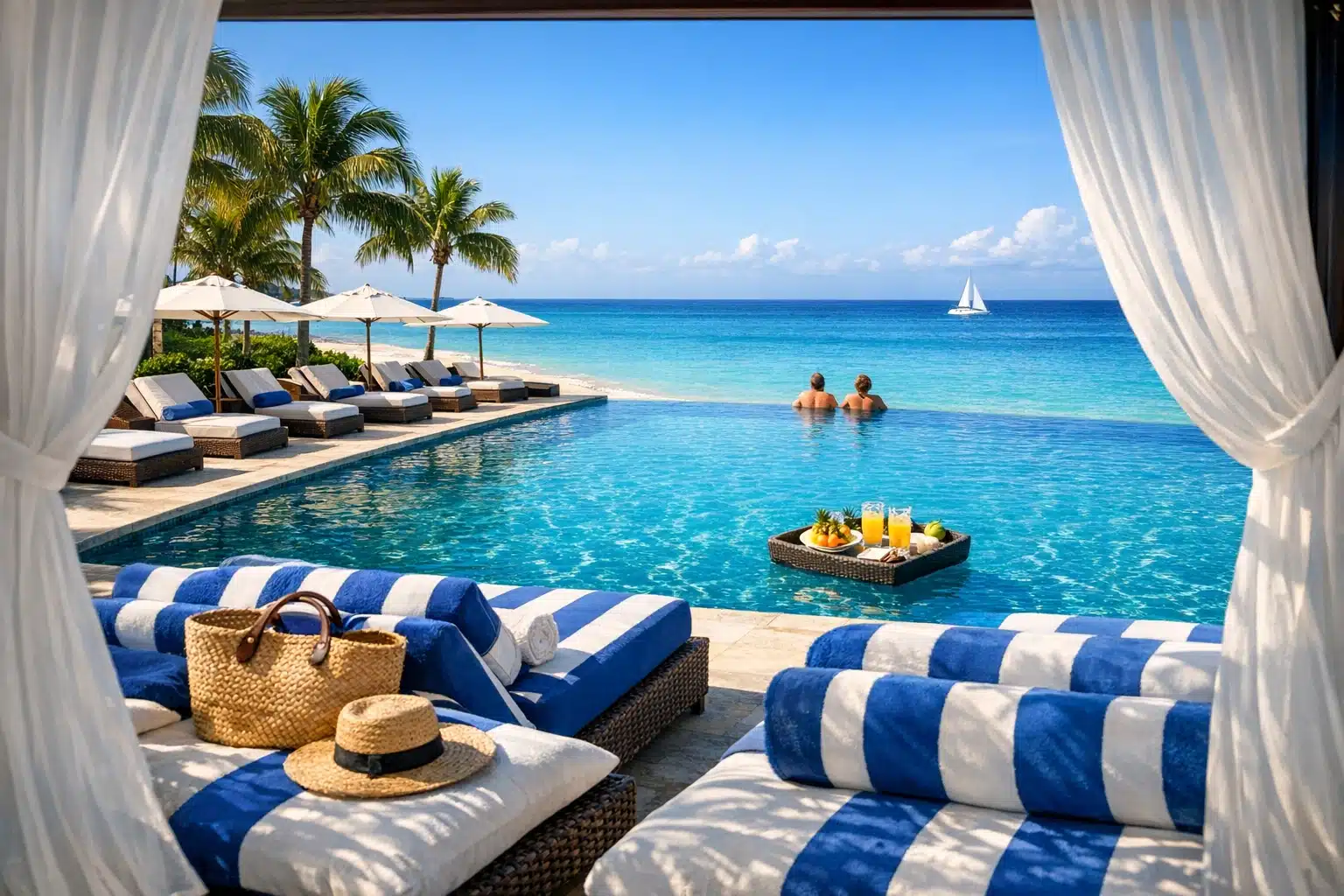
Discover the ultimate peace, romance, and luxury with our definitive guide to choosing the perfect adults-only all-inclusive vacation. That promise sounds polished, but there is a practical reason it resonates. When the resort, dining, drinks, entertainment, and many on-site activities are wrapped into one rate, travelers gain something valuable: predictability. Instead of thinking through every meal or adding up each cocktail, they can judge the trip by experience, not small transactions. This can lower decision fatigue, which matters more than many first-time guests expect. People do not just want a pretty beach; they want a setting that lets them stop managing everything for a few days.
Adults-only properties also come in more than one style, and understanding that helps avoid disappointment. Some are clearly designed for romance, with swim-up suites, candlelit dining, and spa rituals built for two. Others lean social, offering lively bars, themed evenings, DJ sets, and a crowd that wants conversation as much as scenery. A third group prioritizes wellness, offering yoga decks, hydrotherapy circuits, healthier menus, and quieter beaches. Two resorts can both be five-star on paper and still feel completely different in real life.
Useful ways to think about the format include:
• Privacy versus social energy
• Wellness focus versus nightlife focus
• Large campus resort versus intimate boutique property
• Convenience-driven packages versus highly personalized service
The strongest appeal of this travel style is not simply that children are absent. It is that the entire property is usually planned around adult routines, adult conversations, and adult expectations for comfort. That can mean later breakfast hours, better wine lists, more complex dining menus, stronger spa programs, or entertainment that feels less generic. In other words, the category works best when it aligns with purpose. A couple looking for stillness should not choose a party-forward resort because the photos look glamorous, and a group wanting a festive long weekend should not book an ultra-quiet hideaway and expect energy to appear on its own.
How to Choose the Right Destination and Resort Personality
Destination choice does more than shape the view from your balcony. It affects flight time, weather reliability, beach quality, dining culture, excursion options, transfer logistics, and even the social tone of the property. A short nonstop flight to the Caribbean or Mexico can be ideal for travelers protecting a limited vacation window, while a farther destination such as the Maldives, Mauritius, or parts of Southeast Asia may suit guests who want a longer, more immersive escape. Neither approach is automatically better. The right answer depends on how much time you have, how much travel effort you can tolerate, and whether the journey itself feels exciting or exhausting.
Climate matters just as much as scenery. Warm-weather beach escapes are the classic choice, yet seasonal patterns can change the value equation dramatically. In many destinations, shoulder season rates can be roughly 15 to 30 percent lower than peak holiday pricing, though rainfall, humidity, or hurricane risk may be higher. That does not mean travelers should avoid these periods entirely. It means they should compare potential savings against comfort and flexibility. A reduced room rate is less impressive if rough seas close snorkeling trips or frequent storms turn a sun-filled week into a series of indoor compromises.
Equally important is resort personality. Some travelers picture a candlelit dinner and a quiet oceanfront suite. Others want a stylish lobby bar, mixology classes, and live music after sunset. Those are different vacations, even if both properties advertise luxury. Read beyond the star rating and inspect the language used in descriptions and reviews. Words like serene, intimate, wellness, secluded, and boutique usually signal a calmer experience. Terms such as vibrant, nightlife, social, entertainment-rich, and high-energy often suggest a busier scene.
A practical comparison list can help narrow the field:
• Beach-first resorts: ideal for swimming, lounging, and watersports
• Cliffside or hillside resorts: dramatic views, but sometimes more walking
• Large luxury compounds: more restaurants and activities, less intimacy
• Small boutique hideaways: stronger atmosphere, fewer facilities
• Spa-led properties: better for restoration and slower schedules
• Entertainment-led resorts: better for groups who want movement and variety
Travelers should also consider what sits beyond the resort gates. If local culture matters to you, pick a destination where town visits, food tours, sailing trips, or nature excursions are easy to arrange. If your goal is complete retreat, then a self-contained property with excellent dining and beach service may be the better fit. A resort can be beautiful and still feel wrong if it asks you to vacation in a style that does not come naturally. The best match is the place where location, energy, and your real habits line up without effort.
What All-Inclusive Luxury Actually Includes and What It Often Does Not
The phrase all-inclusive sounds simple, yet luxury packages can vary widely from one property to another. At a basic level, most include accommodations, meals, drinks, and access to pools, beaches, and some entertainment. Beyond that, the differences become meaningful. One resort may include premium spirits, 24-hour room service, airport transfers, water sports, and restaurant reservations with no extra fee. Another may advertise a similar package but charge separately for top-shelf liquor, private beach dinners, hydrotherapy access, lobster nights, or motorized excursions. This is why comparing nightly rates alone rarely tells the full story.
Luxury in this category is often less about quantity and more about friction. A genuinely polished resort removes small annoyances before they build into frustration. That might mean enough restaurant capacity so dinner reservations are not a daily battle, enough loungers so guests are not waking up at dawn to claim a chair, and enough staff training so requests are handled gracefully rather than mechanically. Many seasoned travelers would take excellent service, a peaceful layout, and strong food over endless amenities that feel crowded or difficult to use.
Room category is another major factor. The jump from a standard room to an oceanfront suite, club-level room, or swim-up category can transform the trip, but only if the upgrade matches your habits. Guests who spend all day exploring may not need a large terrace or private plunge pool. Travelers who value privacy, late mornings, and in-room breakfasts may find that the higher category changes the experience in a real way. Butler or concierge levels can be worthwhile for some, especially during special occasions, though they are not essential for everyone.
Before booking, ask practical questions such as:
• Are premium wines and top-shelf spirits included?
• Do specialty restaurants require reservations or surcharges?
• Is airport transportation part of the rate?
• Are spa wet areas included, discounted, or fully extra?
• How many pools feel quiet versus lively?
• Is room service available, and during what hours?
• Are gratuities built in, expected, or optional by custom?
It also helps to read reviews for operational details rather than emotional reactions alone. Comments about wait times, reservation systems, beach maintenance, air-conditioning reliability, and housekeeping consistency are more useful than vague praise. Luxury is easiest to understand when you stop asking, “How impressive does this look?” and start asking, “How smoothly will this work?” A resort earns its price when it makes the guest feel cared for without turning every convenience into an add-on.
Travel Planning Guide: Budget, Booking Timing, Flights, and Logistics
Thoughtful planning is what turns an attractive resort into a satisfying trip. Start with a total-trip budget rather than a room budget. Travelers often focus on the nightly rate and underestimate airfare, private transfers, travel insurance, baggage fees, airport meals, spa treatments, excursions, and tipping customs. An all-inclusive vacation can reduce spending surprises, but it does not eliminate them. Building a realistic budget early helps prevent the common mistake of choosing a beautiful property that leaves no room for the details that make travel feel smooth.
Timing is one of the strongest tools you have. Booking well in advance usually gives access to better room categories and flight schedules, especially for high-demand periods such as winter sun season, holiday weeks, and long weekends. On the other hand, travelers with flexible dates can sometimes find excellent value closer to departure, particularly in shoulder periods. There is no universal rule, but many guests benefit from booking three to nine months ahead for popular beach destinations. That window often balances availability, airfare choice, and manageable decision-making.
Flights and transfers deserve more attention than glossy resort photos. A cheaper itinerary with multiple layovers can eat into the first and last day of a trip. Likewise, a resort that looks close on a map may still require a long road transfer, ferry connection, or small-plane hop. Group shuttles can be economical, but private transfers may save significant time and reduce stress, especially after a long international arrival. In some destinations, a private ride can cut 30 to 90 minutes of waiting caused by multiple hotel stops.
A reliable planning checklist includes:
• Passport validity, which is often required for at least six months beyond travel dates
• Entry forms, visa rules, and health documentation where applicable
• Travel insurance that covers medical needs, delays, and cancellation scenarios
• Dining reservation policies before arrival
• Airport transfer confirmation and contact numbers
• Weather-appropriate packing, including light layers for air-conditioned interiors
• A small day-one essentials bag in case checked luggage is delayed
It is also worth deciding how much support you want during booking. Some travelers enjoy researching every variable themselves, while others benefit from a reputable travel advisor who knows room locations, renovation schedules, and the difference between a good package and a frustrating one. Neither approach is superior. The key is accuracy. A few well-placed questions before payment can save money, protect time, and prevent the quiet disappointment of arriving somewhere that looked perfect online but never quite matched the trip you thought you were buying.
Conclusion: How to Build a Luxury Getaway That Truly Fits You
The best adults-only all-inclusive trip is rarely the one with the loudest marketing or the biggest social media footprint. It is the one that aligns with your energy, your priorities, and the way you actually like to spend a day away from home. If you picture long breakfasts, a shaded lounger, a spa afternoon, and dinner that stretches into the evening, choose a calmer property with strong service and a thoughtful layout. If your ideal escape includes cocktail bars, music, poolside conversation, and a full activity calendar, select a resort that embraces movement and sociability without apology. Satisfaction tends to rise when expectations and atmosphere meet cleanly.
Once you arrive, the smartest strategy is to resist over-scheduling. Luxury is often felt most clearly in the spaces between plans: coffee on a balcony before the heat builds, a slow walk to breakfast, a final swim before dinner, an extra hour at the spa because you did not pack the day too tightly. Guests sometimes treat resort vacations like a checklist, racing to sample every restaurant and every activity simply because they are included. A better approach is to choose a few experiences that matter and leave room for rest to happen naturally.
There are also subtle ways to improve the stay. Communicate dietary needs early. Reserve specialty dining soon after arrival if the property recommends it. Ask for a room in a quieter building if sleep matters more than proximity to nightlife. Keep one outfit flexible in case the weather shifts or a nicer dinner venue appeals. If sustainability is important to you, look for resorts that reduce single-use plastics, support local hiring, or protect reef and beach ecosystems. Small decisions like these shape the quality of the experience far more than many travelers expect.
For couples planning a romantic break, friends organizing a polished beach week, or solo adults seeking a quieter form of indulgence, the central lesson is simple: choose with intention. Compare the resort’s personality, inclusions, location, and logistics as carefully as you compare its photographs. When the planning is honest and the fit is right, an adults-only all-inclusive vacation can deliver something many travelers are really looking for: not just luxury on paper, but a few rare days that feel unhurried, comfortable, and completely your own.