2-Night All-Inclusive Lake District Spa Retreat Guide
A Lake District spa break appeals because it wraps comfort around a landscape already built for slowing down. In just two nights, the mix of water, hills, quiet bedrooms, and generous meals can create a reset that feels surprisingly complete. For travellers weighing cost against experience, the real question is not whether a retreat sounds pleasant, but what is actually included and how to choose wisely. This guide breaks that down in plain terms.
Outline
– Why the Lake District works so well for a spa-focused escape
– What a 2-night all-inclusive package usually includes
– How wellness facilities and treatments differ from one property to another
– What dining, downtime, and the daily rhythm of a retreat often look like
– Who benefits most, how to compare offers, and what to remember before booking
Why the Lake District Is a Strong Match for a Wellness Escape
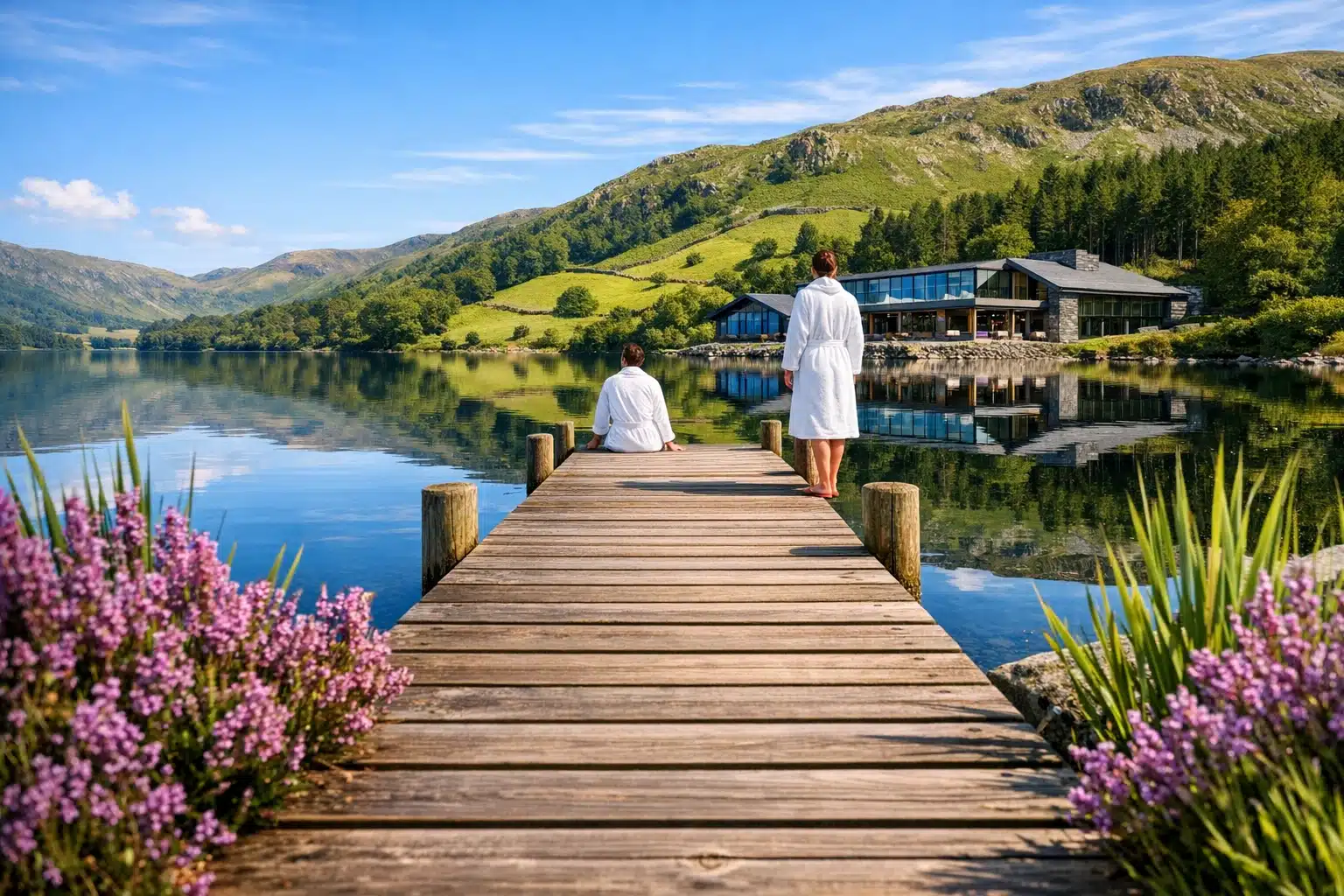
The Lake District has a natural advantage that many spa destinations spend a fortune trying to imitate: atmosphere. Long views over water, winding roads bordered by stone walls, and a pace that feels slower from the moment you arrive all help create a mental shift. That matters because a retreat is not only about treatments. It is also about leaving behind the clutter of schedules, screens, noise, and the mild pressure to keep doing things. In the Lake District, the setting itself begins the unwinding process before you have stepped into a sauna or wrapped yourself in a robe.
There is also a practical reason the region suits a two-night format. It is accessible enough for a short break from many parts of the UK, yet distinctive enough to feel like a real change of scene. A well-planned weekend can include a Friday arrival, a full day of spa time or gentle exploring, and a final relaxed morning before departure. That structure works especially well for travellers who want recovery without using a full week of annual leave. Compared with a city spa hotel, where the outside environment may still feel busy, a Lake District property often extends the retreat beyond the treatment room. Even a short walk after breakfast can become part of the experience.
The area also performs well across the seasons. Summer brings longer evenings and easier lake walks, while autumn and winter suit fireside lounges, thermal suites, and the simple pleasure of moving from cool air into warm water. Rain, often treated as a drawback in outdoor destinations, can actually sharpen the appeal of a spa stay here. There is a particular comfort in watching weather pass across the fells from a pool, a window seat, or a relaxation room. The result is a destination that feels flexible rather than fragile.
Another point in its favour is variety. Some visitors want a polished country-house hotel with elegant dining and formal service. Others prefer a modern wellness resort with hydrotherapy pools, fitness classes, and a younger pace. The Lake District offers both styles, along with smaller boutique stays that feel more private. That range makes the region useful for couples, solo travellers, close friends, and even busy parents squeezing in a reset between family commitments. A wellness break here is not one rigid template. It is a short escape shaped by scenery, comfort, and a strong sense of place.
What a 2-Night All-Inclusive Lake District Spa Retreat Typically Includes
Explore what a 2-night all-inclusive Lake District spa retreat typically includes, from wellness facilities to dining and relaxation.
The phrase all-inclusive can sound simple, but in practice it covers a spectrum. At one end, it may mean two nights of accommodation, breakfast each morning, dinner on both evenings, and standard use of the spa. At the more generous end, it can include lunch or afternoon tea, a treatment per guest, thermal suite access, robes and slippers, fitness classes, and small touches such as parking, late checkout, or a welcome drink. The important lesson is that the label alone is not enough. Value depends on exactly what is bundled, what is capped, and what still costs extra.
Common inclusions often look like this:
– two nights in a standard, deluxe, or lake-view room
– breakfast on both mornings
– dinner on one or two evenings, sometimes with a fixed allowance per person
– use of pools, sauna, steam room, hot tubs, and relaxation areas
– one treatment or a spa credit per guest
– towels, robe, and slippers for spa access
– access to selected classes such as yoga, stretching, or aqua sessions
Where packages differ most is in the detail. One hotel may advertise dining included, but only apply a set monetary credit against the dinner menu, leaving premium dishes and drinks outside the package. Another may include a treatment, but limit guests to a short express facial or back massage rather than a longer signature option. Some retreats permit spa access from check-in until departure, while others assign time slots, especially on busy weekends. These differences affect the feel of the stay far more than the brochure wording suggests.
Room category is another factor worth watching. A standard room may deliver the essentials perfectly well, but upgraded rooms often provide the quieter corners, better views, and larger bathing spaces that make a wellness stay feel special. If a package upgrade cost is reasonable, it can offer better value than adding extra treatments later. Likewise, inclusive extras such as afternoon tea, prosecco, or lake activities may sound small, yet they can shape the mood of a short break by removing constant decision-making.
When comparing packages, it helps to ask a few direct questions before booking:
– Are all meals included, or only breakfast and dinner?
– Is the dinner offer a full meal or a spending allowance?
– Does the package include one treatment, treatment credit, or only discounted access?
– Are spa facilities available throughout the stay or by timed session?
– Are weekends priced differently from midweek dates?
– Are there supplements for solo travellers, upgraded rooms, or premium menu items?
A good all-inclusive package reduces friction. You should not feel as if every enjoyable element is being metered. The strongest offers create a sense of ease: most of what you need is already arranged, and the remaining choices are about preference rather than extra cost. That is what turns a short stay from a hotel booking into a genuine retreat.
Understanding the Wellness Facilities, Treatments, and Atmosphere
A spa retreat is often judged by treatments first, but the broader wellness environment usually determines whether the stay feels hurried or deeply restorative. Many Lake District properties offer a familiar core: swimming pool, sauna, steam room, relaxation room, and several treatment rooms. Better-equipped retreats add hydrotherapy pools, outdoor hot tubs, experience showers, heated loungers, or thermal circuits that guide guests through changes in temperature and water pressure. These features matter because they extend the value of the stay beyond a single appointment. A forty-five-minute massage can be memorable, but a retreat atmosphere depends on what surrounds it before and after.
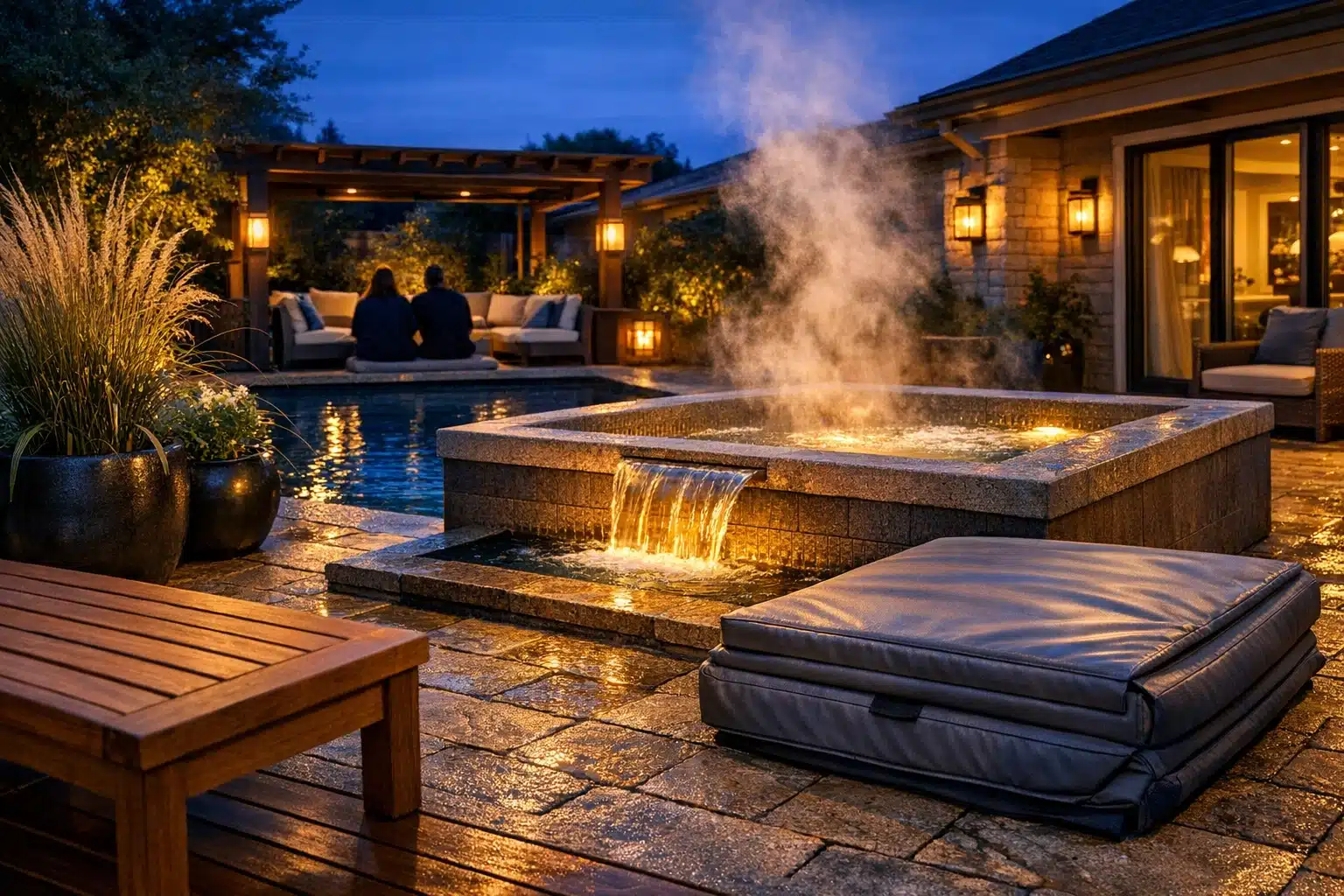
Hydrotherapy is a good example. Warm water jets, bubble benches, and neck showers are not miracle solutions, yet they can be pleasant tools for easing general tension after travel, desk work, or long walks. Outdoor pools and hot tubs are especially appealing in the Lake District because they connect comfort to scenery. A treatment room can be beautiful anywhere. Few places, however, can match the contrast of cool hillside air on your walk back from a steam room or the sight of low cloud moving over a lake while you sit in warm water. That blend of design and landscape is one of the region’s real strengths.
Treatment menus vary, but several patterns appear repeatedly:
– massages focused on relaxation, muscle release, or aromatherapy
– facials built around hydration, brightness, or sensitive skin care
– body scrubs, wraps, and ritual-style packages
– maternity treatments where suitable and approved
– add-ons such as scalp massage, foot rituals, or thermal access upgrades
It is worth remembering that longer is not always better. A well-delivered fifty-minute treatment can be more satisfying than a rushed eighty-minute one. Staff training, room atmosphere, consultation quality, and quiet recovery time afterward often matter more than headline duration. For that reason, guests should look at the full sequence of the spa experience: reception, changing areas, relaxation space, herbal teas, booking flow, and how many people are being served at once. An overcrowded spa can feel less restful than a smaller facility with smarter scheduling.
There is also a difference between luxury and utility. Some travellers want a polished spa with candlelit corridors and a sense of occasion. Others mainly want a solid pool, a sauna, and one excellent massage after a countryside walk. Neither approach is wrong. The best choice depends on your purpose. If the retreat is meant to celebrate something, atmosphere may matter most. If the goal is simple recovery, thoughtful basics can be enough. In both cases, the strongest properties understand that wellness is shaped not only by treatment menus, but by silence, flow, and the freedom to do very little without feeling rushed.
Dining, Daily Rhythm, and the Feeling of Being Properly Looked After
Food is one of the least glamorous parts of spa marketing and one of the most important parts of the actual experience. On a two-night retreat, dining influences energy, mood, convenience, and the sense of value. A weak dinner offering can make an expensive package feel thin, while thoughtful meals can transform the whole stay. In the Lake District, many properties lean into local ingredients such as regional cheeses, seasonal vegetables, lamb, freshwater fish, and hearty breakfasts designed for walkers as much as spa guests. The tone ranges from relaxed brasserie dining to more formal tasting-style evenings, so it is worth matching the restaurant style to your expectations before booking.
All-inclusive dining can also mean different things in practice. Some hotels include full breakfast and dinner, then leave lunch as an optional extra. Others build in afternoon tea, light lunch plates, or access to a lounge menu. Drinks are even more variable. Soft drinks may be included in certain packages, while alcohol usually is not, or appears as one welcome glass rather than unlimited service. That distinction matters because people often picture the resort-style meaning of all-inclusive, but many UK spa hotels use the term more selectively. Reading the menu policy is just as important as reading the treatment list.
A typical full day on a two-night retreat might unfold like this:
– leisurely breakfast with fruit, pastries, eggs, and coffee
– late morning swim, thermal circuit, or treatment
– light lunch or afternoon tea instead of a heavy midday meal
– a short walk, nap, or reading session in the afternoon
– early evening spa access or quiet time in the room
– unhurried dinner followed by a lounge drink or immediate sleepiness, depending on your mood
This rhythm matters because it shows what guests are really buying: not just services, but protected time. The best retreats remove the need to plan every hour. There is a soft structure to the day, yet plenty of room to drift. You might spend an afternoon between a pool, a book, and a window with a rain-marked view, doing almost nothing that would count as productive and feeling far better for it. That is not wasted time. It is often the point.
Dietary flexibility is another quality marker. Good hotels now routinely cater for vegetarian, vegan, gluten-free, and allergy-aware dining, but execution still varies. A genuinely inclusive kitchen gives these choices equal care rather than treating them as afterthoughts. If food matters to you, ask to see sample menus. A spa stay should not force a choice between healthy, indulgent, or convenient. The strongest properties make room for all three, which is exactly why the dining side of a retreat deserves more attention than it usually gets.
Who Should Book, How to Compare Offers, and Final Thoughts for Planning Well
A two-night all-inclusive Lake District spa retreat suits more kinds of travellers than the marketing photos usually suggest. Couples often book for anniversaries, birthdays, or simple downtime together, but solo guests can benefit just as much because the format removes planning pressure. Friends use these breaks as low-effort catch-ups, especially when they want conversation without the constant activity of a city weekend. For tired professionals, new parents with childcare arranged, or walkers who want comfort after muddy mornings, the appeal is similar: the retreat packages rest into a manageable short stay.
Choosing the right offer comes down to priorities. If your main goal is treatments, compare the treatment length, type, and flexibility before looking at decorative extras. If scenery matters most, room location and outdoor spa access may be more important than a longer dinner menu. If budget is tight, midweek packages often represent stronger value than Saturdays, and some properties include nearly the same benefits at a noticeably lower rate. It also helps to price the components separately. Two nights of room-only accommodation, plus dinner, breakfast, spa entry, and one treatment can add up quickly when booked a la carte. A package becomes attractive when it costs less than the sum of those parts or makes the stay much easier to manage.
Before confirming, keep this short checklist in mind:
– check whether the package is truly all-inclusive or partly allowance-based
– confirm treatment booking procedures in advance
– ask about spa access windows on arrival and departure days
– review cancellation terms, especially in poor weather or illness seasons
– look at parking, robe hire, and any service charges
– read recent guest reviews for comments on crowding, cleanliness, and food quality
The ideal guest for this kind of break is not necessarily someone chasing luxury for its own sake. It is someone who values fewer decisions, stronger surroundings, and a bit of breathing room. The Lake District is especially good at delivering that combination because the destination already encourages pause. A smart package then adds warmth, meals, and comfort around it. When those pieces are balanced well, two nights can feel longer than expected in the best possible way.
For readers considering a booking, the central takeaway is simple. Look past labels, study the inclusions, and choose the version of wellness that matches your pace rather than someone else’s brochure fantasy. If you want a short break that feels restorative without becoming logistically complicated, this format is a sensible and often rewarding choice. In a region shaped by water, stone, and quiet horizons, stepping away for forty-eight hours can be enough to return home lighter, calmer, and far more present than when you left.