 Artificially generated image
 How to Plan a Perfect Romantic Weekend Getaway for Two
A romantic weekend away can do more than fill a space on the calendar; it creates protected time for conversation, shared discovery, and the kind of calm daily routines often crowd out. Thoughtful planning helps couples match mood, budget, and travel style instead of settling for generic ideas. Whether you imagine a candlelit city stay or a quiet coastal hideaway, the right choices can turn two free days into lasting memories.
Outline:
- Define the purpose of the trip, your budget, and your shared expectations.
- Compare destination types, from urban escapes to scenic retreats and luxury resorts.
- Choose accommodation and experiences that create comfort, privacy, and a sense of occasion.
- Build a practical itinerary with smooth logistics, thoughtful pacing, and memorable details.
- Bring everything together with a final planning approach designed for couples who want quality time, not stress.
1. Start with Shared Expectations, Budget, and Timing
The most successful romantic trips begin long before the booking page opens. They begin with a conversation. Many couples make the mistake of talking only about destination names when they should first talk about how they want the weekend to feel. One person may picture room service, a balcony, and slow mornings with coffee. The other may want live music, a walkable downtown, and late dinners in lively neighborhoods. Both ideas can work beautifully, but they lead to different choices in price, location, and daily rhythm.
Start by answering a few practical questions together. Are you trying to relax, celebrate, reconnect, or explore? Is this a birthday surprise, an anniversary trip, or simply a break from routine? The purpose matters because it shapes every decision that follows. A celebration weekend usually benefits from one standout splurge, such as a suite, a private tasting, or a fine dining reservation. A reset-from-work weekend may need the opposite: fewer bookings, less transit time, and more open hours.
Budget should come next, and it helps to define it in layers rather than a single total. Separate the essentials from the extras so you can adjust without losing the heart of the trip.
- Transportation: fuel, train tickets, flights, transfers, parking
- Accommodation: nightly rate, taxes, resort fees, breakfast inclusion
- Dining: one special meal, casual lunches, snacks, drinks
- Experiences: spa treatments, museum entries, boat tours, tastings
- Flex room: last-minute treats, weather changes, or upgraded options
Timing is just as important as money. A two-night getaway feels longer when travel time stays under four or five hours door to door. For many couples, a Friday evening departure and Sunday late-afternoon return strikes the best balance between rest and exploration. If flights are involved, booking earlier morning outbound travel can protect the weekend from delays and maximize time at the destination. Driving trips offer flexibility, but they also require honesty about energy levels. A three-hour scenic drive can feel romantic; a six-hour traffic-heavy slog rarely does.
Season also affects atmosphere. Beach towns sparkle in summer but can become crowded and expensive. Historic cities often feel more intimate in shoulder season, when hotel rates soften and restaurant reservations are easier to secure. Luxury, in many cases, is not only about what you buy. It is also about what you avoid: waiting in lines, rushing between plans, and spending the whole trip recovering from the journey itself.
2. Choosing the Right Romantic Destination Style
Not every romantic destination delivers the same kind of experience, and that is exactly why choosing the right travel style matters. A weekend in a glamorous city, a vineyard region, a mountain lodge, or a beachfront resort can all be memorable, but each one offers a different emotional texture. Think of destination style as the backdrop to your shared story. It should support the mood you want instead of competing with it.
City escapes are ideal for couples who enjoy variety and movement. Places such as Paris, Charleston, Quebec City, Lisbon, or Florence offer beautiful streets, easy dining options, culture within walking distance, and plenty to do if the weather changes. The advantage of a city weekend is efficiency. You can fit in a museum, sunset drinks, a late dinner, and a riverside walk without spending much time in transit. Business-oriented cities can also offer excellent weekend hotel value because demand often drops after the workweek.
Nature-focused getaways appeal to couples who want quiet, scenery, and a slower pace. Think of Lake District inns, coastal cottages in Maine, alpine spa hotels in Switzerland, or forest lodges near national parks. These destinations tend to reward couples who enjoy long conversations, scenic drives, hiking, stargazing, and unstructured time. The trade-off is that dining and activity choices may be fewer, so advance planning matters more.
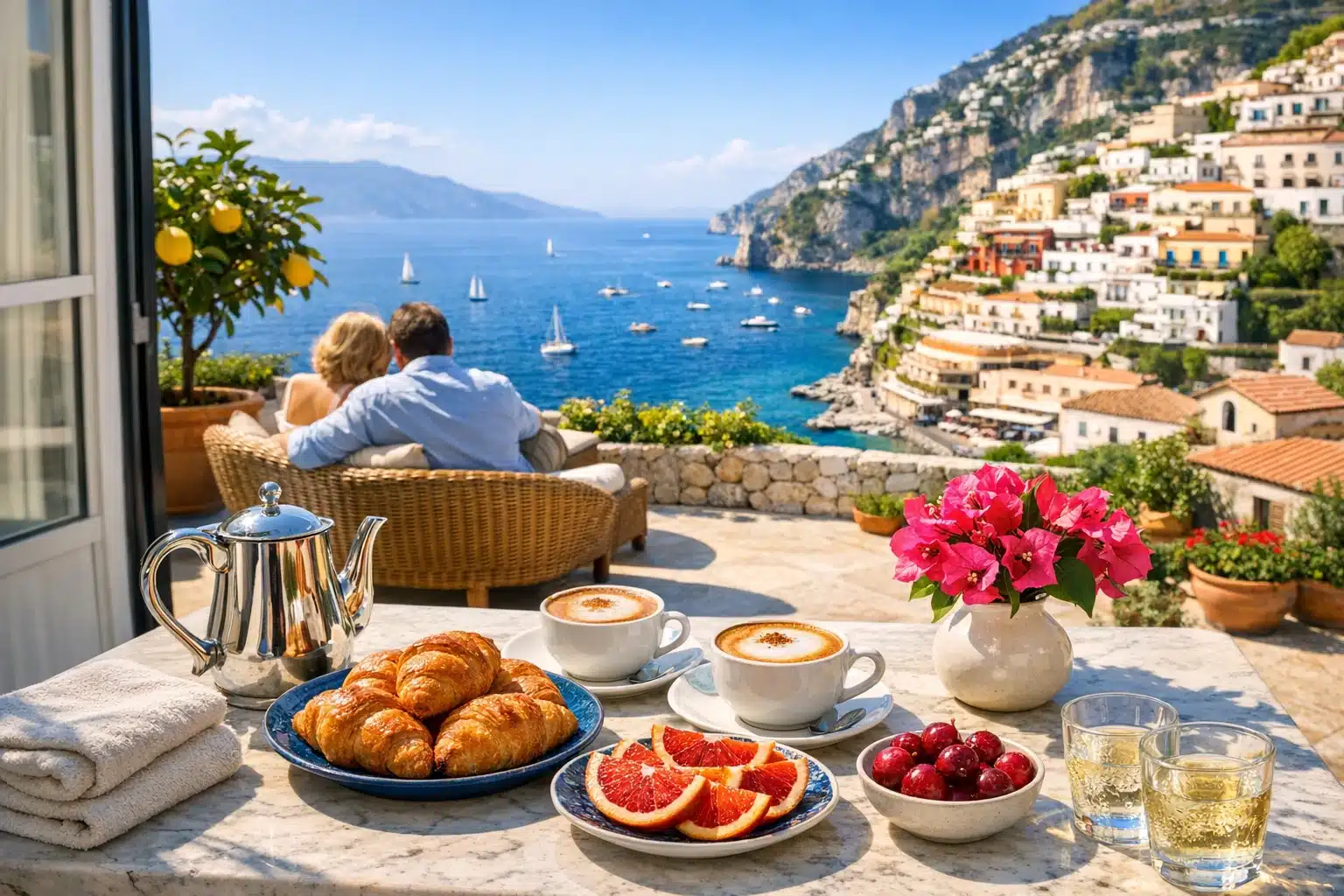
Luxury resort destinations are often the easiest option for couples who want convenience wrapped in polish. Places such as Santorini, Lake Como, Napa Valley, or the Amalfi Coast are famous for atmosphere, design, and elevated service. These destinations can save planning effort because the hotel itself becomes part of the itinerary. A strong property may offer a spa, wine program, concierge planning, private dining spaces, and curated excursions. That convenience, however, usually comes at a premium, especially in peak season.
A useful way to compare destination types is to think in terms of trade-offs:
- City breaks: more activity, easier dining, less privacy, higher pace
- Rural retreats: more quiet, stronger scenery, fewer logistics options, deeper reset
- Resort stays: easier planning, stronger service, more amenities, higher cost
Distance matters too. For a short trip, closer often wins. A charming town two hours away can feel more luxurious than an iconic destination reached through two flights, a long transfer, and a rushed check-in. The goal is not simply to go somewhere impressive. It is to choose a place where your time together feels amplified. When couples get that match right, even an understated destination can feel cinematic.
3. Where to Stay: Turning Comfort into a Luxury Experience
Accommodation is often the emotional center of a romantic weekend. Even if you plan to spend most of your time out exploring, the room sets the tone for arrival, rest, and those small in-between moments that couples often remember most clearly. A beautiful hotel does not need to be the most expensive option in a region, but it should support the experience you want through comfort, layout, privacy, and service.
When travelers think about luxury, they often focus on star ratings alone. In practice, romance is more specific. A smaller boutique property with thoughtful design may feel more intimate than a giant resort with every amenity. A suite with a terrace and soaking tub may be more valuable than a standard room in a famous hotel. For couples, the key is to pay for features that change the stay in a meaningful way rather than for prestige that remains mostly symbolic.
Look at room details carefully before booking. Photos can be persuasive, but floor plans, guest reviews, and location notes tell the fuller story. A room described as “city view” may face a busy road. A beachfront property may sit on a public stretch with heavy daytime traffic. A historic inn may be charming but acoustically thin. These details matter when your goal is relaxation.
Useful features to prioritize include:
- A king bed, seating area, or private outdoor space
- Sound insulation and a location away from elevators or bars
- Included breakfast or access to quality in-room dining
- A spa, heated pool, fireplace, or deep soaking tub
- Walkability to restaurants, scenic areas, or cultural attractions
Luxury also comes from service. A skilled concierge can arrange flowers in the room, secure a difficult restaurant reservation, suggest a sunset viewpoint, or help build a low-stress itinerary. These touches are valuable because they save time and add polish without forcing the couple to manage every detail alone. If you are traveling for a milestone, mention it briefly and honestly. Hotels often respond with a handwritten note, dessert, or a modest room enhancement when availability allows, though it should never be expected.
There is also a practical strategy to getting more value from upscale stays. Shoulder-season weekends, Sunday night add-ons, and package rates with breakfast or spa credits can make a higher-end property more accessible. Sometimes the difference between a good hotel and a memorable one is smaller than expected once fees, transportation, and included perks are compared side by side. In romantic travel, the room is not just where you sleep. It is where the trip breathes.
4. Building the Itinerary: Balance, Flow, and Signature Moments
A romantic weekend works best when the itinerary has shape without feeling rigid. Many couples over-plan because they worry that unstructured time will be wasted. In reality, too many reservations can drain the spontaneity that makes a getaway feel personal. The aim is to create flow: a thoughtful sequence of movement, meals, and shared experiences that leaves enough space for surprise.
One helpful rule is to anchor each day with just one or two “must-do” moments. That might be a spa appointment, a winery visit, a sunset cruise, or a reservation at a restaurant you have genuinely been excited about. Around those anchors, keep the remaining hours flexible. This allows for small pleasures that often define a trip: finding a bookstore on a side street, lingering over dessert, taking a detour to a viewpoint, or choosing a nap over another attraction without guilt.
Here is a simple structure that works well for many two-night trips:
- Arrival day: check in, short walk, relaxed dinner close to the hotel
- Full day: one main activity, leisurely lunch, rest, evening highlight
- Departure day: scenic breakfast, one light stop, easy journey home
Transportation logistics deserve more attention than most travelers give them. Couples should think about transfer time from airport or station, car parking, local taxi availability, and whether reservations need buffer time between them. Missing a dinner booking because the museum ran long is rarely romantic. A realistic schedule feels generous, not tight. If you are visiting a place known for traffic or ferry schedules, build in extra time rather than assuming perfect conditions.
It also helps to design one signature moment. This is the part of the weekend that becomes the image you both return to later: champagne on a balcony, a private cooking class, a dawn hot spring visit, a moonlit walk along a harbor, or a handwritten note waiting after dinner. These gestures do not need to be expensive to feel luxurious. They simply need intention. As a planning mindset, one sentence captures the goal neatly: Plan an unforgettable couple’s retreat and find exceptional romantic spots with our ultimate weekend getaway guide.
Finally, do not underestimate rest. If the trip is meant to reconnect you, empty time is not a flaw in the schedule. It is part of the design. Leave room for the hotel robe, the extra espresso, the conversation that takes longer than expected, and the unplanned hour that becomes the highlight of the whole escape.
5. Final Thoughts for Couples Planning a Meaningful Weekend Away
The best romantic weekend getaways are rarely the ones built around the longest checklist or the most expensive price tag. They are the ones that feel intentionally matched to the couple taking them. For some, that means a polished suite in a famous coastal town, dinner reservations made weeks in advance, and a slow morning at the spa. For others, it means a quiet cabin, one excellent bottle of wine, a scenic drive, and no obligation to be anywhere at a certain hour. Both can be luxurious when they reflect what the couple actually values.
If you are planning a trip for two, focus on the elements that create emotional ease. Choose a destination that respects your limited time. Spend more on the pieces that directly improve comfort or memory, such as the room, the view, or one remarkable shared experience. Spend less on things that add cost without improving the feeling of the trip. That could mean skipping a heavily marketed attraction in favor of a long lunch, or choosing a smaller boutique hotel over a grand property with amenities you will never use.
A smart final check before booking can keep everything aligned:
- Does the destination fit the mood you both want?
- Is travel time short enough for a real weekend, not just transit?
- Does the hotel offer privacy, comfort, and useful amenities?
- Have you planned one standout moment and left room to breathe?
- Does the budget include a cushion for spontaneous choices?
Romantic travel planning should not feel like project management in disguise. It should feel like an act of attention. When couples take the time to discuss expectations, compare destination styles honestly, and build a pace that suits their real lives, the result is usually better than any generic idea pulled from a trending list. A well-planned weekend does not try to impress the world. It gives two people a setting where they can be present with each other, and that is what makes it memorable.
For couples looking at calendars, loyalty points, saved restaurant tabs, and half-formed destination ideas, the takeaway is simple: start small, choose well, and leave space for joy. A weekend may be brief, but with the right structure, it can feel surprisingly expansive. That is the quiet magic of a great escape for two.