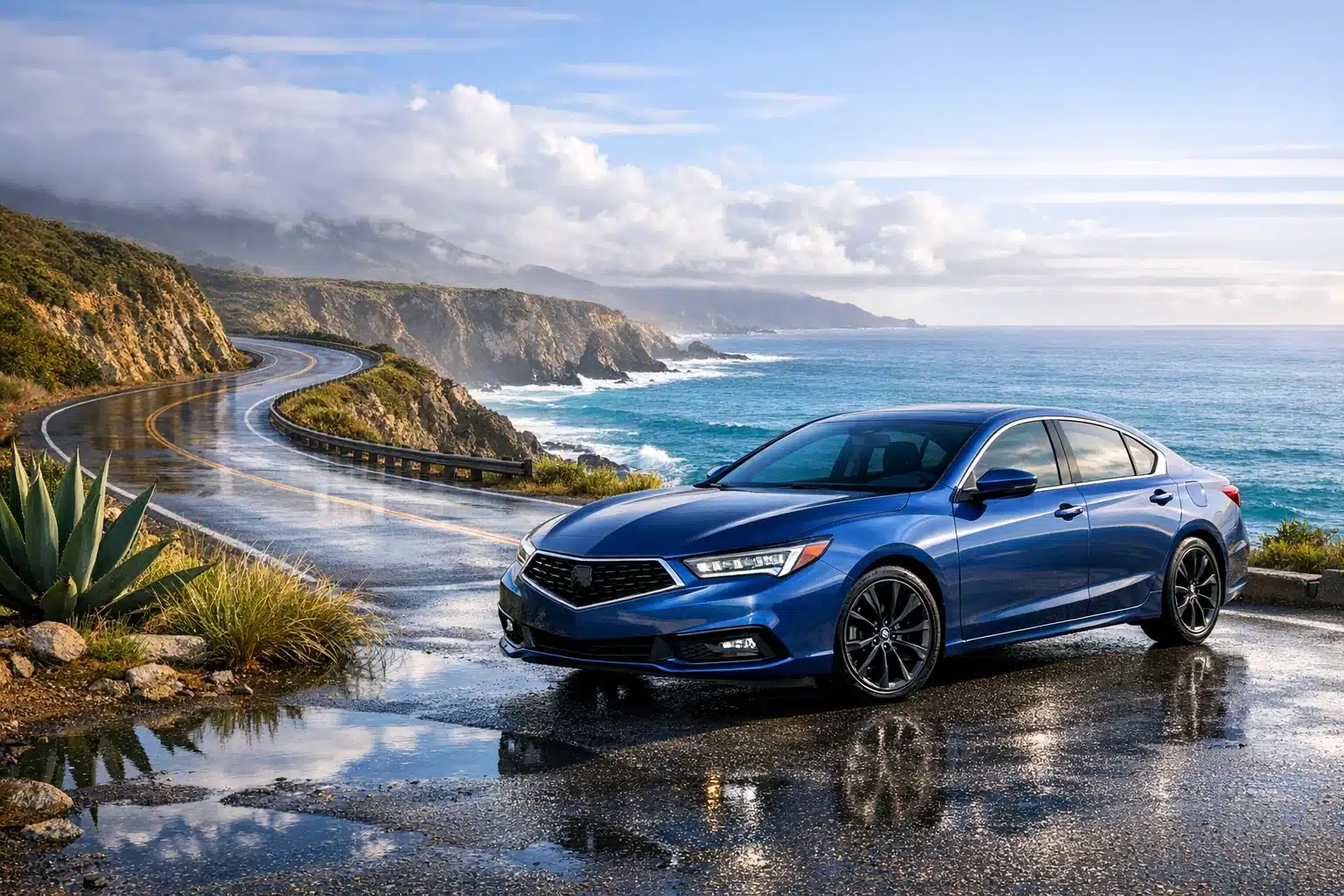
How to Find the Best Deals and Right Tires for Your Vehicle
A tire purchase rarely feels exciting, yet it affects braking, fuel use, ride comfort, and the confidence you carry into rain, traffic, or a weekend highway run. Add rising repair costs, and every decision around tires and maintenance becomes a money issue as much as a safety one. This guide helps you compare options clearly, avoid common shopping mistakes, and build habits that protect both your vehicle and your budget. If you want smarter spending without cutting corners, you are in the right place.
Outline: this article begins with the basic role tires play in safety and ownership costs. It then breaks down how to read tire sizes, compare categories, and match a tire to your driving habits. Next comes a practical look at smart savings, including how to compare installed prices, warranties, and long-term value. The final parts cover maintenance safety and a simple action plan for drivers who want better results with less guesswork.
1. Why Tires Matter More Than Most Drivers Think
Tires are one of the least glamorous parts of a vehicle, yet they are among the most important. Every stop, turn, lane change, and wet-weather correction depends on four contact patches roughly the size of your hand. That tiny connection with the road decides whether the car feels planted or nervous, predictable or slippery. When drivers postpone tire decisions, they often focus only on whether the tread still “looks fine,” but tire performance is about much more than visible grooves.
A quality tire affects several systems at once. It influences braking distance, cornering grip, road noise, steering feel, and even fuel efficiency. For example, an underinflated or poorly matched tire can increase rolling resistance, which forces the engine to work harder. Meanwhile, a tire with worn tread may still seem usable on dry pavement but lose wet traction dramatically. That is why many safety-minded technicians recommend paying attention before the legal minimum tread depth becomes the only standard. In many places, 2/32 inch is the legal floor, but wet-weather performance often drops earlier, and winter capability can decline well before that.
Cost matters too. A cheap tire can become expensive if it wears quickly, rides harshly, or needs replacement much sooner than expected. On the other hand, the most expensive option is not automatically the smartest choice. A commuter sedan, a family SUV, and a performance coupe have different needs, and the right answer usually comes from honest use rather than marketing language. Think of tire buying as matching a tool to a job, not chasing the biggest promise on the shelf.
There is also a simple truth that many drivers learn only after a bad morning in the rain: tires age, harden, and lose effectiveness over time. Even if tread remains, old rubber may not perform like fresh rubber. That makes date codes, storage history, and driving conditions relevant, especially for vehicles that spend long periods parked.
- Safety depends on grip, tread depth, and proper inflation.
- Ownership cost depends on wear rate, efficiency, and durability.
- Comfort depends on sidewall design, construction, and road noise control.
- Confidence depends on choosing a tire that suits the vehicle and the climate.
In short, tires are not just round consumables. They are part safety equipment, part operating cost, and part driving experience. Once you view them that way, smarter decisions become much easier.
2. How to Choose the Right Tire for Your Vehicle and Driving Style
The best tire for your vehicle is not necessarily the one with the loudest advertisement or the deepest discount. It is the one that matches your car’s specifications, your local weather, and your daily routine. Start with the vehicle placard, usually found on the driver’s door jamb, and the owner’s manual. These sources list the recommended tire size and inflation pressure. That information matters because the vehicle’s suspension, braking system, and electronic safety aids were designed around a specific tire range.
A tire size such as 225/45R17 tells a useful story. The first number is width in millimeters, the second is aspect ratio, the letter indicates radial construction, and the last number is wheel diameter in inches. Beyond that, you will often see a load index and speed rating, which should meet or exceed the manufacturer’s requirements. Many drivers ignore those ratings, but they are not decorative. Load capacity affects how safely the tire handles the vehicle’s weight, while speed rating relates to heat resistance and performance at sustained speeds.
Then comes the tire category. This is where real-world needs take over:
- All-season tires are the common choice for moderate climates and everyday driving.
- Summer tires prioritize warm-weather grip and sharper handling, but they are not suitable for freezing conditions.
- Winter tires use rubber compounds and tread designs that work better in cold temperatures, slush, and snow.
- Touring tires often favor comfort, lower noise, and longer tread life.
- Performance tires tend to trade some comfort and longevity for stronger handling response.
If you live where winters are mild, an all-season set may be practical. If temperatures regularly drop and snow is common, true winter tires can provide noticeably better traction and shorter stopping distances in cold conditions. For drivers who tow, carry heavy loads, or use a truck or SUV for work, load range and sidewall strength deserve extra attention.
It is also wise to check the tire’s manufacturing date. The DOT code includes the week and year of production. A new tire that has been sitting for years is not automatically unsafe, but age is part of the value equation. Fresh stock is generally preferable when prices are similar. Finally, read customer reviews carefully. Focus less on dramatic praise and more on repeat comments about wet grip, noise, ride comfort, and tread wear over time.
The right tire feels almost invisible in the best way. It suits the vehicle, fits the season, and does its job without demanding attention. That is usually a sign you chose well.
3. Smart Auto Savings: Finding Genuine Value Without Buying Blind
Saving money on tires is not just about hunting for the lowest number on a screen. The better goal is lowering total cost while preserving safety and performance. That means comparing the installed price, not just the tire price. Mounting, balancing, valve stems, disposal fees, alignment recommendations, and taxes can change the final bill quickly. A tire that looks cheaper online may cost the same as a local option once those extras are included.
Discover exceptional tire deals and find the perfect, safe fit for your vehicle with our expert shopping guide.
That idea works best when you compare offers using the same checklist. First, confirm the exact size and service rating. Second, compare warranties, including treadwear coverage and road-hazard terms. Third, ask whether free rotation, balancing, or puncture repair is included. A shop that offers ongoing service may be more economical than one with a slightly lower upfront price and no follow-up support.
There are several smart ways to save without cutting corners:
- Shop during seasonal promotions, especially before winter and during spring travel periods.
- Look for manufacturer rebates, but read deadlines and submission rules carefully.
- Compare warehouse clubs, independent tire dealers, dealership service centers, and reputable online retailers.
- Ask about package pricing if you also need an alignment or brake inspection.
- Consider mid-range brands with strong user feedback rather than assuming premium or bargain are the only choices.
A useful comparison is cost per mile. If one set costs less today but wears out much faster, it may not be the value winner. For example, a tire priced modestly with weak wet traction and short life can cost more in replacement frequency and compromise confidence in bad weather. A well-reviewed mid-tier option may provide a better balance of durability, comfort, and safety. That is where patient shopping pays off.
Be cautious with used tires unless you know their history and they have been inspected thoroughly. Hidden repairs, internal damage, uneven wear, or age can erase any savings. The same caution applies to exaggerated claims that promise luxury-car quietness, sports-car grip, and budget pricing all at once. Tires involve trade-offs, and honest products usually describe them clearly.
In practical terms, smart auto savings come from asking sharper questions. What is the real final price? What service is included? How long is the tire likely to last in my conditions? When you compare value that way, deals become easier to spot and regret becomes less likely to follow you home.
4. Vehicle Maintenance Safety: The Habits That Protect Tires and Prevent Trouble
Buying the right tires is only half the story. Maintenance determines whether those tires deliver the performance you paid for. Neglect turns good equipment into mediocre results, while consistent care can stretch tread life, improve ride quality, and reduce the odds of roadside trouble. The most useful habit is also the simplest: check tire pressure regularly, ideally when the tires are cold. Pressure that is too low can increase heat buildup and wear the outer edges; pressure that is too high can affect ride quality and alter the contact patch.
Rotation matters because front and rear tires often wear differently, especially on front-wheel-drive vehicles. Many drivers follow a 5,000- to 8,000-mile interval, though the owner’s manual and tire manufacturer recommendations should guide the final schedule. Alignment is another quiet hero. If your steering wheel is off-center, the vehicle pulls to one side, or tread wear looks uneven, an alignment check is worth scheduling. A good tire cannot overcome bad alignment for long.
Tread depth deserves more than a quick glance in the driveway. In many regions, 2/32 inch is the legal minimum, but rain and snow performance often deteriorate earlier. Many shops suggest replacement around 4/32 inch for stronger wet traction and even sooner for regular winter driving. Also inspect for cracks, bulges, nails, and sidewall damage. A bulge can signal internal failure, and that is not a detail to ignore.
Basic maintenance safety extends beyond the tires themselves:
- Check that brake pads, rotors, and fluid are in healthy condition, since tire grip and braking power work together.
- Inspect shocks and struts if the vehicle bounces excessively or wears tires unevenly.
- Test exterior lights regularly so other drivers can read your intentions.
- Keep the spare tire inflated if your vehicle has one, and confirm that the jack and tools are present.
- Never crawl under a vehicle supported only by a jack; use proper stands and a stable surface.
Even small routines help. Listen for new noises, feel for vibrations, and pay attention after hitting potholes or curbs. Cars often whisper before they shout. A minor shimmy today can become a shortened tire life or a larger repair bill next month. Maintenance safety is not about becoming a mechanic overnight. It is about learning the signs, respecting the basics, and acting early enough that a simple fix stays simple.
5. A Practical Conclusion for Everyday Drivers: Build a Plan, Not a Guess
If tire shopping has ever felt like wandering through a wall of numbers, patterns, and sales pitches, the good news is that the process becomes manageable once you reduce it to a plan. Start with the vehicle’s required size and ratings. Narrow the options by climate and driving style. Compare the final installed price, included service, and expected longevity. Then protect your purchase with simple maintenance habits. That sequence is not flashy, but it is reliable, and reliability is what most drivers actually need.
For commuters, the winning formula is usually a quiet, durable tire with dependable wet traction and sensible service support. For families, confidence in emergency braking and bad-weather stability often matters more than sporty marketing. For drivers who live in regions with serious winter weather, dedicated winter tires can be one of the most meaningful safety upgrades available. For people who rarely think about car care until a warning light appears, even one monthly check of pressure and tread can make a noticeable difference.
A useful next-step routine might look like this:
- This week: check your current tire size, tread depth, and DOT age code.
- This month: compare three reputable sellers using installed price and warranty details.
- At the next service visit: ask for an alignment and suspension inspection if wear looks uneven.
- Every month after that: inspect pressure, tread, and visible damage before a longer drive.
There is a certain calm that comes from knowing your car is not running on guesswork. The steering feels right, the tires sound normal, and wet roads stop feeling like a gamble. That peace of mind is one of the best returns on careful tire buying and maintenance. It does not require expert-level knowledge, only steady attention and a willingness to compare before you buy.
For the average driver, the best deal is not the cheapest tire, and the safest plan is not the most expensive routine. The smart middle ground is a well-matched tire, a fair price, and maintenance done often enough to prevent problems from quietly growing. If you follow that path, you are likely to spend more wisely, drive more confidently, and get more honest value from every mile.