 Artificially generated image
 Birthday Yacht Charter Guide: Planning, Costs, and Celebration Ideas
Why a Birthday Yacht Charter Feels Special, and How to Structure the Plan
A birthday on the water feels different from a restaurant dinner because the setting, movement, and privacy turn a gathering into an experience. This guide explains how yacht charters work, what shapes the budget, and how choices around food, music, guest count, and timing affect the mood of the day. It also covers the practical side, from contracts to weather plans, so the celebration stays enjoyable rather than stressful. If you want a luxury event that still feels personal, the details ahead will help you plan with confidence.
Birthday celebrations have shifted in recent years from purely venue-based events toward more experience-led gatherings. People are often less interested in a standard banquet room and more interested in atmosphere, story, and memorable moments that feel tailored to the guest of honor. A yacht charter answers that demand in a very direct way. It combines transportation, scenery, hospitality, and exclusivity in one setting. Instead of decorating a fixed room and hoping the mood lands well, the host builds the event around a living backdrop of coastline, skyline, sunset, or open water.
At the planning stage, it helps to think of the event in layers rather than as a single booking. The strongest celebrations usually begin with a simple outline:
• Define the guest list and age range
• Choose the type of charter and desired cruising style
• Set a realistic budget with a buffer for extras
• Plan food, drinks, entertainment, and timing together
• Review safety procedures, weather policies, and marina logistics
Explore birthday yacht charters, including boat selection, budgeting, catering, entertainment, safety, and practical planning tips.
The relevance of this topic goes beyond luxury for its own sake. A yacht can be intimate enough for a family lunch, polished enough for a milestone birthday, or lively enough for an evening party with music and cocktails. Compared with a hotel ballroom, a yacht offers stronger privacy and a more dynamic visual setting. Compared with a villa rental, it compresses the guest experience into a set route and timeframe, which can make planning more efficient. The trade-off is that space, weather, and onboard rules matter more, so details cannot be improvised at the last minute.
A good charter plan also starts with a realistic understanding of scale. A gathering of 8 to 12 people may work beautifully on a smaller luxury motor yacht or sailing catamaran, while a 30-guest event needs much more deck space, more structured service, and a clearer crowd-flow plan. Once the host understands the event’s mood, guest count, and budget range, every other decision becomes easier. That is why a thoughtful outline is not a formality; it is the foundation of the celebration.
Choosing the Right Yacht: Size, Style, Comfort, and Guest Experience
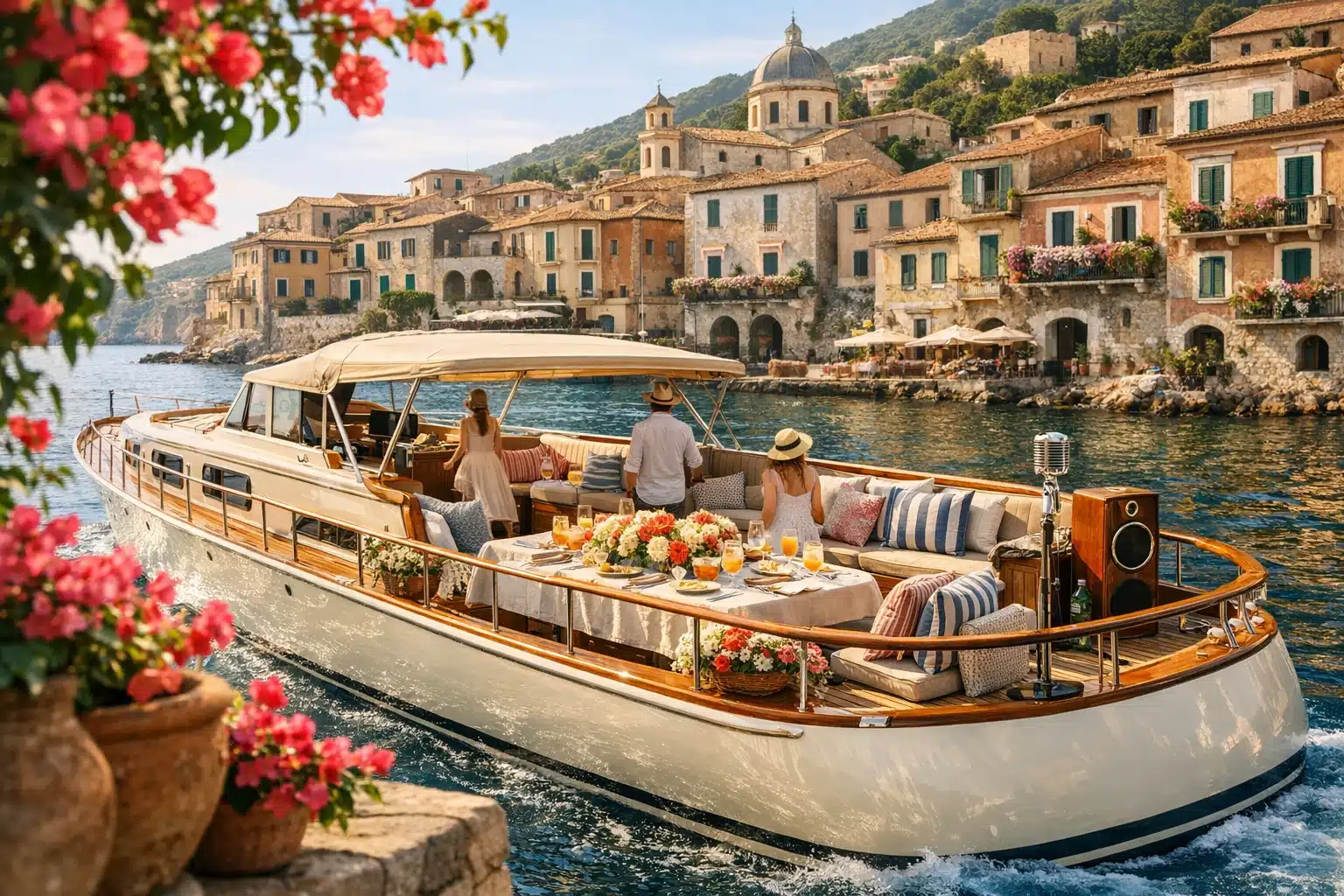
The yacht itself shapes almost every part of the birthday experience, from how people mingle to whether the meal feels elegant or casual. Choosing the right vessel is not about chasing the largest option in the marina. It is about matching the platform to the kind of gathering you want to host. A sleek motor yacht may suit a sunset cocktail party with polished service and a modern look. A catamaran often appeals to hosts who want more stability, wider decks, and a relaxed daytime atmosphere. A classic-style yacht can create a refined mood for a milestone birthday where photos, dining, and ambiance matter more than high-energy entertainment.
There are several practical differences worth comparing. Motor yachts usually provide speed, enclosed salons, and a more formal luxury feel, which is useful if weather changes or if guests want indoor seating. Catamarans tend to offer more beam, which means wider social areas and often less rolling at anchor. That can be especially helpful when children, older relatives, or guests new to boating are on board. Larger party-oriented vessels may support more people, but they can feel less intimate unless the layout includes distinct zones for dining, lounging, and dancing.
Capacity deserves careful attention. Maritime regulations set a maximum passenger limit, but comfort is not always the same as legal capacity. A yacht licensed for 20 guests may feel ideal for 12 if you want a plated meal, a cake table, and open circulation space. Hosts often make better decisions when they ask two separate questions:
• What is the legal guest limit?
• What guest count feels comfortable for this specific celebration style?
Other useful factors are easy to overlook until the event day. Boarding access matters if guests are wearing formal shoes or if a grandparent will attend. Shade matters on warm afternoons. Restroom count matters more than most first-time hosts expect. Sound systems, refrigeration, power outlets, swim platforms, and dining table arrangement all influence what can realistically happen onboard. If entertainment is central, confirm where speakers, a DJ station, or live performers can be placed without disrupting service or crew operations.
Route planning should also influence the boat choice. A harbor cruise with skyline views may require less range and less fuel than a coastal itinerary with swimming stops. If the event centers on dining, steady cruising in calmer water often works better than a long open-water run. If the celebration includes water activities, a vessel with easy water access, deck showers, and towel storage is far more useful than a yacht chosen only for appearance. In short, the best vessel is the one that supports the event naturally, not the one that looks most impressive in a listing photo.
Budgeting for the Charter: Core Costs, Hidden Fees, and Smart Trade-Offs
Budgeting is where birthday yacht planning becomes either calm and strategic or stressful and reactive. The advertised charter rate is only the starting point. Total cost can vary significantly depending on location, season, yacht size, cruising duration, crew structure, fuel usage, catering style, bar package, and entertainment choices. In many coastal markets, smaller luxury day charters may begin in the low thousands for a few hours, while larger crewed yachts can cost several times more before food, fuel, and service are added. That spread is normal, which is why price comparisons only make sense when the inclusions are clearly matched.
Hosts generally encounter one of two models. The first is an all-in style package with a defined route, set time block, crew, and selected refreshments. The second is a base charter fee plus variable expenses. The second model can be more flexible, but it also demands closer attention to detail. Ask for a written breakdown that separates:
• Charter fee
• Fuel or cruising surcharge
• Crew or captain fee if not included
• Catering and beverages
• Docking, cleaning, or service charges
• Taxes and, where customary, gratuity guidance
Fuel is one of the most common sources of confusion. A yacht that remains near the harbor for dining and photos will usually cost less to operate than one that cruises longer distances at speed. Catering also shifts budgets quickly. Passed canapés and a simple cake service may fit comfortably into a moderate plan, while a chef-led tasting menu with premium bar service changes the event tier entirely. Entertainment creates similar choices. A curated playlist and strong onboard speakers can feel stylish and cost-efficient, while a DJ, saxophonist, violinist, or photographer adds production value along with cost.
One useful planning method is to rank priorities before requesting quotes. If the host cares most about deck space and sunset views, the budget may lean toward the vessel and route. If food is central, a slightly smaller yacht with excellent catering may create a better result than a larger yacht with a weak dining setup. Some celebrations feel elevated because every category receives a modest but thoughtful investment, not because one line item absorbs the entire budget.
Contracts deserve patience. Review cancellation terms, weather rescheduling policy, overtime charges, damage liability, guest count changes, music limits, and restrictions on outside vendors. If you plan to bring your own cake, décor, or alcohol, ask first. A clear contract protects both host and operator. It turns assumptions into shared expectations, which is often the difference between a smooth luxury event and a very expensive misunderstanding.
Catering, Decoration, and Entertainment: Building the Mood of the Celebration
Once the vessel and budget are set, the celebration begins to take on personality. Catering, décor, and entertainment are the elements guests remember emotionally, because they shape the rhythm of the day. On land, event design often begins with centerpieces and seating charts. On a yacht, it begins with movement. Trays need stable surfaces, glassware needs secure storage, and decorations need to survive wind, spray, and direct sun. Good design onboard is not just pretty; it is practical, safe, and paced to the route.
Food should match the event length and the way guests will socialize. For a two- or three-hour sunset cruise, lighter service often works best: passed bites, small desserts, and drinks that are easy to carry. For a longer daytime charter, guests may appreciate a structured meal with clear seating windows. Rich sauces, towering displays, and delicate plated items can be difficult at sea, while fresh seafood, skewers, sliders, fruit, sushi, mezze, and mini desserts often translate well. Birthday cake deserves its own plan, including refrigeration, cutting service, and the moment it appears. A beautiful cake loses impact if there is no stable surface, no candles allowed, or no staff assigned to plate it.
Drink planning also affects tone. A premium open bar signals celebration, but it should be balanced with hydration and pace. On warm days, the smartest hosts offer sparkling water, mocktails, fresh juice, and easy snacks from the start. Dietary needs matter even more in a closed environment where guests cannot step out for alternatives. Confirm vegetarian, vegan, halal, kosher, gluten-free, allergy-sensitive, and child-friendly options ahead of time.
Decoration works best when it supports the yacht rather than fighting it. Consider:
• Florals in low arrangements that will not block views
• Lightweight signage secured for wind
• Candle alternatives such as enclosed LEDs
• Linen and tableware colors that complement the sea and sky
• A photo spot that does not interrupt guest movement
Entertainment should fit the available space and the social energy of the group. A playlist can be enough for a family lunch, while a DJ or acoustic set can transform an adult evening charter. Some hosts add a photographer, a champagne welcome, a speech moment, or a golden-hour toast. Others build in a swim stop with towels and curated music. The most successful yacht birthdays feel cinematic without becoming chaotic: a breeze at the rail, city lights coming on, glasses lifting at just the right moment, and guests feeling as though the evening unfolded naturally, even though every detail was quietly planned.
Safety, Timing, Guest Comfort, and Final Advice for a Smooth Luxury Celebration
Luxury works best when guests feel relaxed, and relaxation usually depends on invisible preparation. Safety is not the opposite of elegance; it is what makes elegance possible on the water. Before confirming a charter, verify that the operator is properly licensed and insured for the service offered. Ask who the captain and crew will be, how safety briefings are handled, and what the weather decision process looks like. Reputable operators welcome these questions because they show the host is thinking responsibly. If children will attend, ask about child-size life jackets and any rules related to railings, stairs, or swim access.
Guest comfort deserves the same level of attention. Motion sensitivity can affect people who have never considered themselves seasick, especially if the event includes food and alcohol. Calmer routes, shaded seating, and advance notice help. Encourage guests to wear practical footwear for boarding, bring sunglasses, and use sun protection for daytime charters. If the gathering is formal, the invitation can gently suggest yacht-friendly shoes and an extra light layer for evening breeze. These small notes prevent awkward arrivals and make the event feel well hosted.
Timing is another quiet success factor. Build the schedule backward from the highlight moment, whether that is the birthday toast, dinner service, sunset photos, or cake cutting. Then account for boarding, late arrivals, marina security, parking, restroom use, and disembarkation. A typical flow might look like this:
• Guest arrival and boarding window
• Welcome drinks and departure
• Cruise, conversation, and first photo period
• Meal or passed service
• Main birthday moment with toast and cake
• Relaxed final cruise segment before return
Weather planning should be realistic rather than fearful. Not every cloudy forecast ruins a charter, and not every sunny forecast guarantees comfort. Wind, wave conditions, and local marine advisories matter more than a simple weather app icon. Ask what happens if conditions become unsafe or unsuitable: reschedule, route change, shortened cruise, or cancellation credit. That answer should appear in writing before payment is finalized.
For the target audience considering a birthday yacht charter, the key takeaway is simple: choose intention over excess. A great celebration does not depend on the biggest vessel, the loudest party, or the most expensive menu. It depends on fit. When the yacht suits the guest count, the budget reflects real costs, the food matches the setting, and the logistics are settled in advance, the result feels effortless to everyone on board. That is the real appeal of a yacht birthday. It offers luxury, yes, but more importantly, it creates a shared memory with shape, atmosphere, and a sense of occasion that ordinary venues rarely deliver.