 Artificially generated image
 Luxury Hotel Rooms with Hot Tubs: Features, Benefits, and Booking Guide
Choosing a luxury hotel room with a private hot tub is about more than indulgence; it shapes privacy, sleep quality, and the pace of a trip. A well-planned suite can turn a brief stay into a restorative pause, whether the occasion is a romantic break, a celebratory weekend, or a quiet solo reset. This article sorts through layouts, amenities, price ranges, and booking details that deserve attention before payment. Read a little further, and the search becomes much easier to navigate with clear expectations.
Article Outline
- Why private hot tub suites continue to attract travelers seeking comfort, seclusion, and a stronger sense of place.
- How room categories differ, from junior suites to villas, and which features create a truly premium stay.
- What to evaluate around privacy, cleanliness, air quality, and everyday usability before making a reservation.
- How pricing works across destinations, seasons, and booking channels, including hidden costs and value signals.
- Which booking strategies help different travelers choose the right suite with confidence and realistic expectations.
Why Luxury Hotel Rooms with Hot Tubs Remain So Appealing
Luxury hotel rooms with private hot tubs sit at the crossroads of hospitality, design, and experience. Their popularity is not hard to understand. Travelers are no longer booking only a place to sleep; they are choosing how they want their time away to feel. A standard room may cover the basics, but a suite with a private hot tub often changes the emotional texture of a stay. Warm water, low lighting, and a space that feels separated from the outside world can turn an ordinary evening into something restorative. The difference is often felt after a long flight, a day of meetings, or hours of walking through a busy city. Instead of heading to a shared spa area with set hours, guests can unwind on their own schedule.
Privacy is one of the biggest reasons these rooms command attention and higher rates. A private hot tub offers a controlled environment where guests can relax without the noise, traffic, or unpredictability of public wellness facilities. That matters for couples, but not only for couples. Solo travelers often value the same sense of calm, especially when they want a quiet retreat rather than a social atmosphere. Friends celebrating a special occasion may also see the tub as part of a longer evening in the suite, paired with room service, a view, and time to actually enjoy the space they paid for.
There is also a practical side to the appeal. Hotels use these suites to differentiate themselves in crowded markets, especially in resort destinations, honeymoon hotspots, and weekend getaway locations. A room with a private hot tub often sits in a premium tier because it combines tangible features with a strong sense of occasion. Guests perceive added value not only from the fixture itself but from the larger room size, upgraded bathroom, better views, and enhanced service that usually accompany it.
Still, not every listing means the same thing. Some properties describe a deep indoor soaking tub as a “spa experience,” while others offer a jetted in-room tub, a terrace hot tub, or even a plunge pool with heating. That distinction matters because expectations drive satisfaction. Before booking, travelers should look closely at the details:
- Is the tub indoors, on a balcony, or in a separate outdoor area?
- Is it designed for one person or two adults comfortably?
- Does the room prioritize scenery, seclusion, or oversized interior space?
- Are operating hours, maintenance windows, or seasonal limits mentioned?
In short, the appeal of these rooms comes from a mix of comfort and control. They offer warmth, time, and a degree of personal space that many travelers are increasingly willing to pay for.
Suite Types and the Features That Define a Premium Stay
Not all luxury suites with hot tubs are built around the same idea of comfort. Some focus on romance, some on dramatic views, and some on residential-scale living. Understanding the common room categories makes it easier to compare properties that may use different marketing language. A junior suite, for example, typically offers a larger open-plan room with a sitting area and a more generous bathroom. In many upscale city hotels, that can mean roughly 400 to 600 square feet, though sizes vary widely by country and brand. A one-bedroom suite usually adds a separate living room, more storage, and a stronger sense of privacy, often landing somewhere around 600 to 900 square feet. Villas, signature suites, and penthouses can go well beyond that, sometimes exceeding 1,000 square feet and including terraces, dining areas, fireplaces, or butler service.
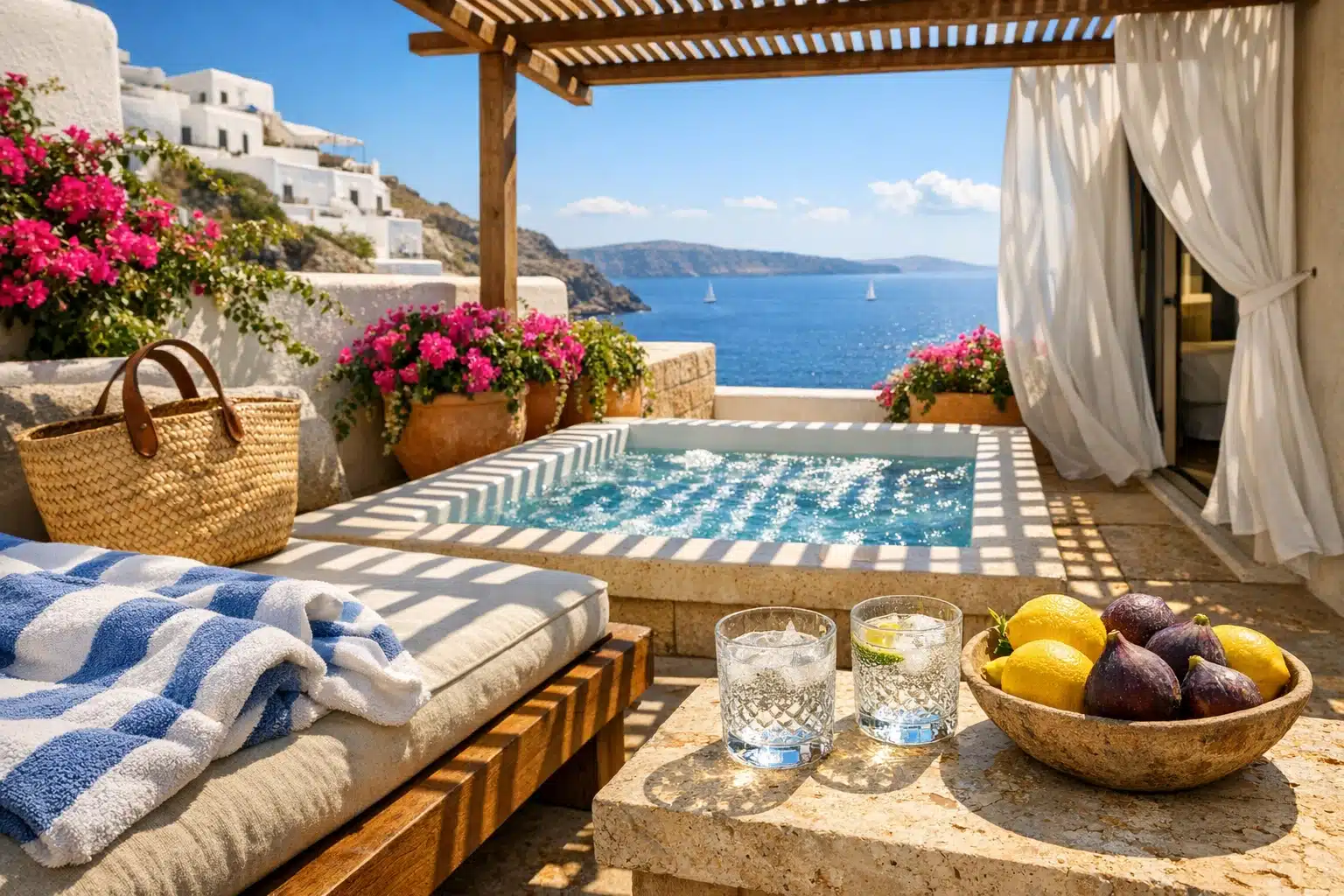
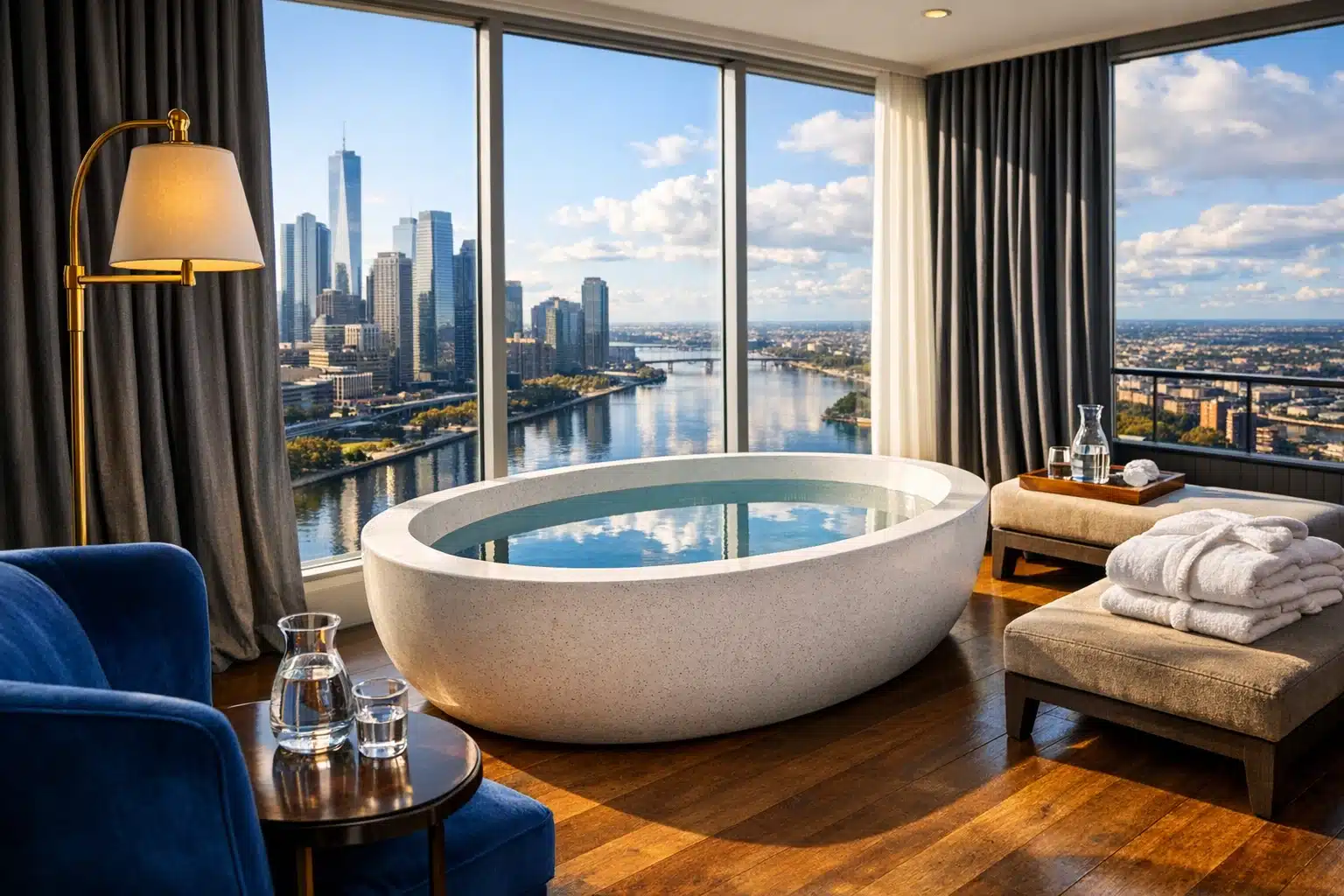
The hot tub itself can be the centerpiece or simply one strong element among several. In an indoor layout, it may be placed beside panoramic windows, near the bed in an open-concept design, or inside a large marble bathroom. Outdoor tubs, by contrast, trade some weather certainty for atmosphere. A rooftop tub under evening skies or a private terrace facing the sea can feel memorable in a way that is difficult to replicate inside. That said, exterior setups should be checked carefully for wind exposure, neighboring sightlines, and whether the water stays warm enough in cooler months.
What separates a good suite from a genuinely impressive one is often the total package of features around the tub. Travelers should pay attention to the supporting details that influence daily comfort:
- Sound insulation that keeps hallway or elevator noise from entering the room
- Climate control that can cool or heat the space evenly after using warm water
- Ventilation systems that manage humidity without making the room feel damp
- High-quality bedding, blackout curtains, and layered lighting for better rest
- Functional seating, table space, and power outlets in practical locations
- Bathroom design that allows easy movement rather than cramped luxury styling
There is also a difference between visual luxury and livable luxury. A suite may photograph beautifully but still feel awkward if the storage is limited, the tub controls are hard to use, or the furniture is decorative rather than comfortable. Travelers staying more than one night should especially look for usability: enough counter space, a minibar that does not dominate the room, robes that fit well, and a layout that supports both relaxation and routine.
The most successful suites feel composed rather than crowded. They do not simply add expensive materials; they create flow between sleeping, bathing, lounging, and enjoying the view. When a hotel gets that balance right, the hot tub stops being a gimmick and becomes part of a thoughtfully designed retreat.
Privacy, Comfort, Cleanliness, and the Real Questions Worth Asking
Private hot tub suites are often sold through glossy photos, but the real quality of the experience depends on quieter details. Privacy comes first. A terrace tub sounds ideal until a nearby tower overlooks it, or a shared walkway passes too close to the suite entrance. Indoor tubs can solve visibility concerns, though open-plan rooms are not automatically better for every traveler. Some guests love a tub placed near the bed for a dramatic look, while others prefer a separate bathing area with a door, better ventilation, and more acoustic separation. Comfort is personal, and layout determines whether the room feels restful or slightly theatrical in a way that wears thin by the second night.
For travelers comparing listings across destinations and brands, one principle ties everything together: Explore luxury hotel rooms with hot tubs, including privacy, suite types, comfort features, pricing, and practical booking considerations. That sentence captures the reality of booking well. A strong reservation decision rarely depends on one feature alone. It depends on how several factors work together once the door closes behind you.
Cleanliness deserves more attention than it usually gets in hotel marketing. Reputable luxury properties typically follow strict maintenance schedules, water treatment procedures, and inspection routines, but the guest still benefits from asking smart questions. In-room and terrace tubs need consistent sanitation, proper filtration where applicable, and clear housekeeping standards. A tub that looks attractive in photos may disappoint if jets are loud, water takes too long to heat, or the surrounding area stays slippery. Ventilation matters too, particularly with indoor tubs, because poor airflow can leave the space humid and uncomfortable.
Before booking, it can be useful to contact the hotel or review recent guest feedback with a practical mindset. Helpful questions include:
- How often is the tub cleaned and inspected between stays?
- Is the unit filled on demand, or is it maintained at a ready temperature?
- Are there quiet hours or usage restrictions at night?
- Can the hotel confirm whether the tub area is shielded from neighboring rooms?
- Does the suite have separate climate control and strong bathroom ventilation?
- Are there accessibility considerations, such as steps into the tub or narrow pathways?
Comfort also extends to what happens after the soak. Good robes, absorbent towels, non-slip flooring, and lighting that can be dimmed make a measurable difference. So does easy access to drinking water, because warm baths can leave guests dehydrated without noticing. These may sound like small points, yet they are exactly what separate a polished premium stay from an expensive room that only performs well in promotional images. In the best properties, privacy feels effortless, cleanliness feels unquestionable, and relaxation does not require work from the guest.
Pricing, Fees, and How to Judge Whether a Suite Is Worth the Cost
Price is where fantasy meets arithmetic. Luxury hotel rooms with private hot tubs can range from moderately aspirational to firmly high-end, depending on location, season, room category, and brand positioning. In many major U.S. or European cities, a standard upscale room may start around 250 to 500 dollars or euros per night, while a true suite with a private hot tub often begins somewhere between 450 and 1,200. Resort destinations, ski towns, and island properties can move well beyond that during peak periods. Holiday weekends, school breaks, and event-driven travel dates frequently push rates upward, sometimes dramatically, even when the room itself has not changed.
What matters is not only the number on the first search result but the full cost structure. Luxury properties commonly add taxes, service charges, resort fees, parking, breakfast upgrades, and charges for late checkout. A room that appears competitive may lose value once these extras are added. On the other hand, a higher base rate can make sense if it includes airport transfers, spa access, minibar items, or a flexible cancellation policy. Smart comparison means calculating total trip cost rather than reacting to headline pricing.
Travelers should also think in terms of value signals rather than simply “cheap” or “expensive.” A hot tub suite may be worth the premium if it meaningfully reduces the need for other spending. Guests who expect to use the spa daily, order dinner in, or spend substantial downtime in the room may get more from the suite than from a lower category plus paid add-ons. Similarly, a celebratory trip often benefits from booking one memorable room rather than stretching the budget across multiple separate experiences.
Useful pricing checks include the following:
- Compare direct hotel rates with reputable booking platforms on the same cancellation terms
- Look at weekday versus weekend differences, which can be steep in leisure markets
- Review package deals that bundle breakfast, parking, or spa credits
- Check whether loyalty points or elite benefits apply to suite upgrades or perks
- Read the fine print for incidental deposits, pet fees, and balcony usage limits
One more practical point: photos do not always reflect the exact room category priced in the search result. Hotels may advertise the best version of a suite type, while lower floors or alternate layouts sell under the same name. If the premium is significant, ask for confirmation of key features before payment. A specific tub placement, view direction, or terrace size may not be guaranteed without written clarification.
Ultimately, the best value comes from alignment. When room quality, location, privacy, and service match the purpose of the trip, the rate feels justified. When one of those elements is weak, even a discounted suite can feel overpriced.
Booking with Confidence: Matching the Right Suite to the Right Traveler
Booking the right luxury suite is less about chasing the grandest listing and more about matching the room to the way you actually travel. A couple planning a weekend escape may prioritize seclusion, mood lighting, and a terrace tub with a view. A solo traveler recovering from a packed work schedule may care more about a quiet indoor setup, a supportive mattress, and a bathroom designed for long, comfortable use. Friends traveling together for a celebration might value a larger living area, two seating zones, and a tub that complements social time rather than replacing it. The room succeeds when it fits the rhythm of the stay.
One of the best ways to book with confidence is to read beyond the marketing description. Floor plans are especially helpful because they show how the space is arranged in reality. Guest reviews can reveal whether the tub heats quickly, whether the view is accurate, and whether privacy holds up in practice. Recent reviews are more useful than older glowing praise, especially if the property has renovated, changed management, or shifted its service model. Photos uploaded by guests can be surprisingly informative because they capture scale, lighting, and wear in a less curated way.
When comparing final options, ask yourself a few grounded questions:
- Will I spend enough time in the room to justify the premium?
- Do I want an indoor bathing experience or an outdoor setting with weather exposure?
- Is this trip about celebration, recovery, scenery, convenience, or all four in balance?
- Would I rather pay more for the ideal room, or pay less and reserve budget for dining and activities?
Timing also helps. Booking early for high-demand seasons improves choice, but last-minute deals can appear in urban markets or shoulder periods. Flexibility matters. If a hotel offers a slightly higher refundable rate, that option may be wiser than a cheaper nonrefundable deal, especially for weather-sensitive destinations where an outdoor tub is part of the appeal. It is also worth noting check-in and checkout times. A one-night stay in a premium suite can feel rushed if arrival is late and departure is early, while a two-night stay often lets the room justify itself.
For the target audience interested in luxury hotel rooms with hot tubs, the clearest takeaway is simple: book for experience quality, not just image. Look for privacy that is real, features that support comfort, pricing that makes sense after fees, and a layout suited to your purpose. When those pieces come together, the suite becomes more than a flashy upgrade. It becomes a place where travel slows down just enough to feel memorable, calm, and worth the planning.