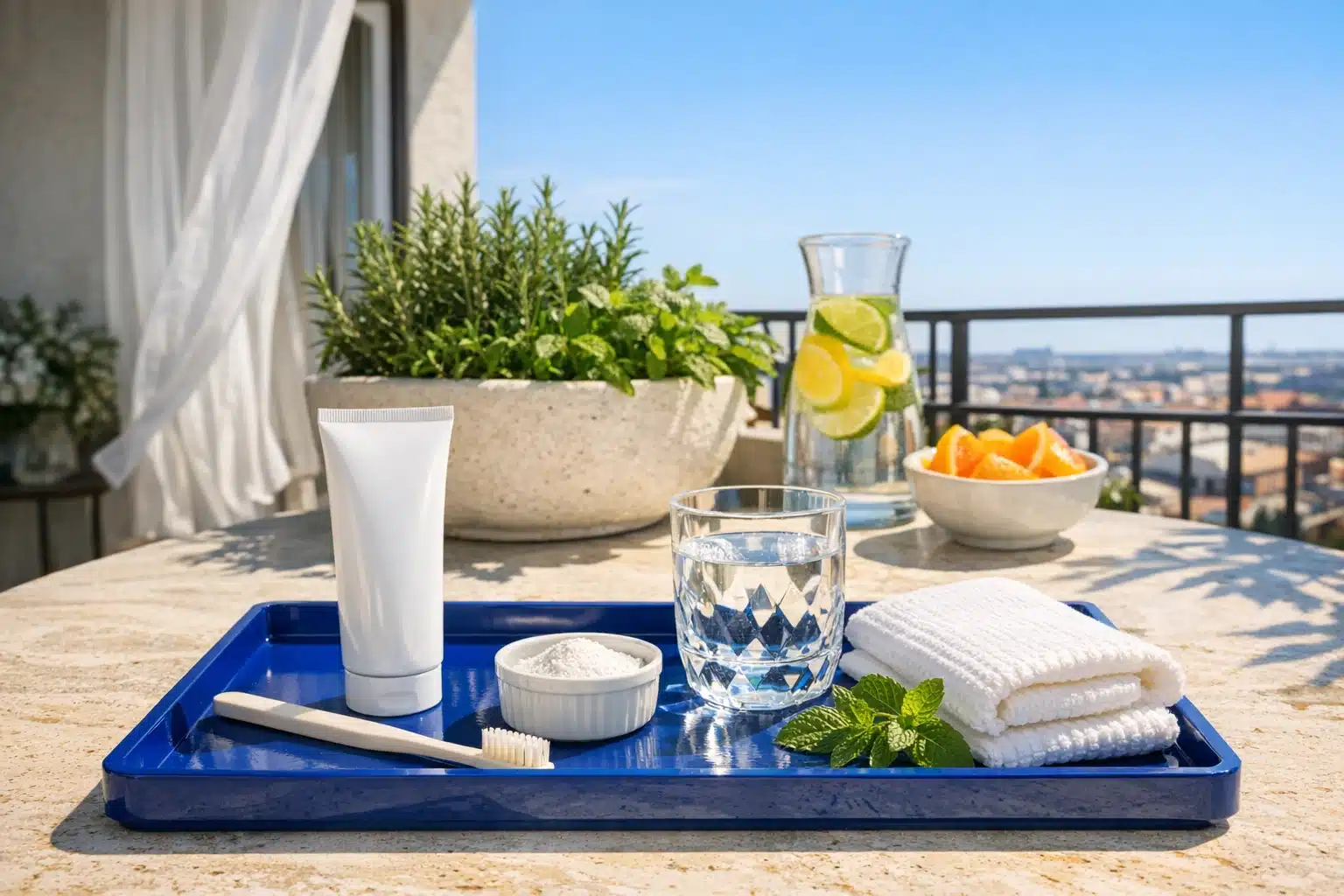
Baking Soda Guide: A Comprehensive Overview of Modern Household Uses
Outline
- Why baking soda still earns a place in modern homes
- How to use it for home freshness in fabrics, bins, shoes, and shared spaces
- What it can and cannot do in oral care
- How to clean more safely by matching the method to the surface
- What realistic 2026 guidance looks like for everyday households
Open a cupboard, lift a gym bag, or glance at the bathroom sink, and one humble powder keeps showing up in surprisingly practical ways. Baking soda still matters because it can tame odors, support light cleaning, and fit into careful self-care routines without demanding a big budget. In 2026, that mix of simplicity and utility feels relevant as more households look for lower-fragrance options, fewer single-purpose products, and habits that are easier to sustain.
This guide explores how baking soda works, where it genuinely helps, and where a stronger or more specialized product makes better sense. Simple, affordable baking soda uses for fresher spaces and gentle oral care—plus safety tips and realistic 2026 wellness guidance.
Why Baking Soda Still Matters in a Modern Home
Baking soda, also known as sodium bicarbonate, has lasted in household routines for generations because it solves several small problems without much fuss. Chemically, it is a mild alkaline compound with a pH of about 8.3 in solution. That matters because many everyday odors are acidic, and baking soda can help neutralize them rather than simply cover them with perfume. This is one reason it remains useful in refrigerators, bins, shoes, and soft furnishings where trapped smells linger in fabric or air pockets.
Its appeal is not only chemical. It is also practical. A single box is usually inexpensive, widely available, and easy to store. For households trying to cut back on clutter, that matters. Instead of buying a separate deodorizer for every room, people often reach for one multipurpose staple. In a time when store shelves are packed with heavily scented cleaners, the plainness of baking soda can feel almost refreshing. It does not promise drama; it offers steadiness.
Still, usefulness should not be confused with magic. Baking soda is a deodorizer and a mild abrasive, not a cure-all. It is not a substitute for disinfectants when sanitation is the real goal, and it will not repair mold damage, remove every stain, or solve a plumbing problem on its own. Understanding this difference helps people use it wisely.
Compared with some alternatives, baking soda sits in an interesting middle ground:
- Fragrance sprays may make a room smell pleasant quickly, but they usually mask odors instead of removing their source.
- Activated charcoal can also absorb odors effectively, though it is often more expensive and less familiar for general household use.
- Enzyme cleaners are better for organic messes such as pet accidents because they break down proteins and odor-causing residues.
The lasting lesson is simple: baking soda works best when the task matches its strengths. Think of it as a calm, capable helper rather than a headlining miracle. That mindset leads to better results, fewer disappointments, and smarter choices for the home.
Home Freshness: Room-by-Room Uses That Make Sense
Home freshness is rarely about one dramatic deep clean. More often, it is built from small habits that prevent stale smells from settling in. Baking soda fits neatly into that rhythm. It can help in areas where moisture, fabric, food residue, or closed storage spaces trap odors over time. Used thoughtfully, it brings a kind of quiet reset to everyday living.
In the kitchen, an open box placed in the refrigerator can help reduce odor buildup, though it should be replaced periodically rather than forgotten behind the mustard for half a year. It can also be sprinkled into the bottom of a trash can before a liner goes in, especially during warm months when food scraps turn sour quickly. For cutting boards or food containers, a paste of baking soda and water may help with lingering smells after washing, provided the surface is compatible and rinsed thoroughly.
In bedrooms and entryways, it shines as a fabric refresher. Lightly sprinkling it on carpets or rugs, letting it sit for a short period, and then vacuuming can help reduce trapped odor. The same approach works for some upholstered furniture, although a spot test is wise first. Shoes, gym bags, and closet corners often benefit from a small amount in a breathable pouch or a dish set nearby. There is something satisfying about opening a closet and finding that the air smells like nothing at all.
Good uses for freshness include:
- Inside sneakers or slippers after a long day
- At the bottom of kitchen or bathroom bins
- On removable fabric mats before vacuuming
- Near litter areas, paired with regular cleaning rather than used as a substitute
- In laundry hampers where damp towels tend to sour
A comparison is useful here. Air fresheners are faster, but they mainly change the scent profile. Baking soda is slower and less theatrical, yet often more effective when the problem comes from acids or residues. That said, freshness also depends on ventilation, humidity control, and source removal. A powder cannot fix mildew hidden behind furniture or moisture trapped under a sink. For real freshness, use baking soda as one part of a system: wash fabrics, empty bins, dry damp areas, and let outside air do its work whenever possible.
Oral Care: Where Baking Soda Helps, and Where It Has Limits
Baking soda has a long history in oral care, and it remains relevant for a simple reason: it can act as a gentle abrasive that helps clean the tooth surface and reduce certain odors in the mouth. Many commercial toothpastes still include it for exactly that purpose. When used correctly, it may help lift some external stains caused by coffee, tea, or daily buildup. That can make teeth look brighter, but it is important to be precise here. Baking soda does not bleach teeth in the way peroxide-based whitening systems do, and it cannot reverse internal discoloration.
Its mild alkalinity also matters in the mouth because acids contribute to enamel wear. A less acidic environment can be helpful, but that does not mean plain baking soda should replace a well-formulated toothpaste. Most importantly, plain baking soda does not contain fluoride, which plays an important role in strengthening enamel and reducing cavity risk. For many people, a fluoride toothpaste that includes baking soda may be the most balanced option, because it combines cleaning ability with cavity protection.
There are also practical limits. Brushing too hard with any abrasive substance can irritate gums or contribute to wear over time, especially if someone already has gum recession, sensitivity, enamel erosion, or dental restorations. People with braces, extensive dental work, mouth ulcers, or very dry mouths should be especially cautious and ask a dentist before experimenting with homemade routines.
A sensible approach often looks like this:
- Choose a toothpaste that contains baking soda and fluoride if you want a simple daily option.
- If using plain baking soda occasionally, apply it gently and avoid scrubbing aggressively.
- Do not treat it as a replacement for flossing, fluoride, regular checkups, or treatment for pain.
- Stop using it if you notice persistent sensitivity, gum irritation, or an unpleasant gritty aftereffect.
There is a cultural temptation to turn pantry ingredients into complete wellness systems. Oral care is one area where restraint is wise. Baking soda can have a supporting role, but it should stay in that role. Healthy mouths depend on a broader routine that includes brushing technique, fluoride exposure, plaque control, and professional guidance when needed.
Safe Cleaning: Matching the Method to the Mess
Cleaning safely means choosing a product that fits the surface, the soil, and the outcome you want. Baking soda is often useful because it is a mild abrasive that can loosen grime without the harshness of stronger scouring powders. A paste made from baking soda and water can help on sinks, some stovetops, soap scum, and certain stubborn residues. Used with a soft cloth or sponge, it can take the edge off messes that ordinary wiping leaves behind.
That said, “natural” does not automatically mean “safe for everything.” Some surfaces can scratch, discolor, or dull if baking soda is used too roughly or too often. Natural stone such as marble can be sensitive. Certain aluminum finishes may react poorly. Waxed, polished, or specialty-coated surfaces deserve extra care. Before tackling a visible area, test in a hidden spot. That small pause often prevents a large regret.
One of the biggest misunderstandings involves mixing products. Baking soda and vinegar are famous online, and the fizzy reaction looks impressive. It can be entertaining and occasionally helpful for loosening debris during a physical flush, but once the bubbling ends, much of the cleaning chemistry has canceled itself out. In many cases, using one product at the right time is more effective than creating a foamy show. More importantly, people should avoid casual mixing of cleaners in general. Labels matter, ventilation matters, and disinfectants should be used exactly as directed.
Here is a practical comparison:
- Baking soda: good for deodorizing, light abrasion, and mild residue removal.
- Dish soap: better for grease and everyday surface washing.
- Vinegar: useful for some mineral deposits, but not ideal for every surface.
- Disinfectants: necessary when the goal is killing certain germs rather than simply removing dirt.
For bathrooms and kitchens, the smartest routine is layered. First remove crumbs, dust, or loose debris. Then wash with the right cleaner for the surface. Use baking soda where scrubbing power or odor control helps. Finish by rinsing and drying, because moisture left behind often creates the very problem people were trying to solve. Safe cleaning is less about one miracle ingredient and more about a calm sequence that respects materials, labels, and common sense.
Conclusion for Everyday Households: Realistic 2026 Guidance and Smart Habits
For today’s households, the value of baking soda lies in moderation, not mythology. Renters want simple supplies that do not overwhelm a small cabinet. Families often want lower-cost routines that still feel reliable. People sensitive to fragrance may prefer a cleaner-smelling home that does not smell artificially “fresh.” In that setting, baking soda continues to earn its keep because it is adaptable, affordable, and easy to understand.
Realistic 2026 wellness guidance also asks for a more evidence-aware mindset. Consumers are increasingly skeptical of dramatic hacks, and that is healthy. A multipurpose staple can be useful without being perfect. In home care, baking soda helps with odor control and light scrubbing. In oral care, it may support cleaning when used gently, but it does not replace fluoride toothpaste, professional advice, or treatment for actual dental problems. In safe cleaning, it works best as part of a broader toolkit rather than as the answer to every stain, surface, or hygiene concern.
If you are building a practical routine, start small and observe results. Use it where the benefit is clear. Skip it where the material is delicate or the task calls for a specialized cleaner. Replace the habit of chasing novelty with the habit of matching method to need. That shift saves money, reduces waste, and usually leads to a calmer home.
A short checklist can help keep the approach grounded:
- Use baking soda for deodorizing and mild scrubbing, not as a universal fix.
- Choose fluoride toothpaste for daily cavity protection, even if baking soda is part of the formula.
- Test surfaces before broad use, especially stone, polished finishes, and coated materials.
- Do not assume that fizzing mixtures are stronger simply because they look active.
- Focus on ventilation, rinsing, drying, and source removal alongside any product you use.
For readers who want fresher rooms, simpler routines, and fewer exaggerated claims, that is the real takeaway. Baking soda remains useful because it is honest about what it can do. Used carefully, it still belongs in the modern home—less as a miracle, more as a trustworthy supporting actor that makes everyday maintenance a little easier.