Clip-In Teeth: Costs, Comfort, and Choosing the Right Option
Clip-in teeth sit at the crossroads of confidence, convenience, and caution, offering a quick cosmetic fix for people bothered by missing, stained, or uneven teeth. They can change a smile in minutes, which helps explain their growing appeal in online ads and social media videos. Yet the polished before-and-after images rarely show how these removable appliances feel, what they cost, or where their limits begin. Understanding those details makes it easier to avoid disappointment and choose more wisely.
Outline
- What clip-in teeth are and how they differ from dentures, veneers, and temporary tooth replacements
- Typical price ranges, hidden costs, and what affects overall value
- Comfort, fit, speaking, eating, and everyday wear considerations
- How to compare products, spot red flags, and decide when a dentist should be involved
- Care, lifespan, and final guidance for readers considering a removable cosmetic smile solution
What Clip-In Teeth Are and How They Actually Work
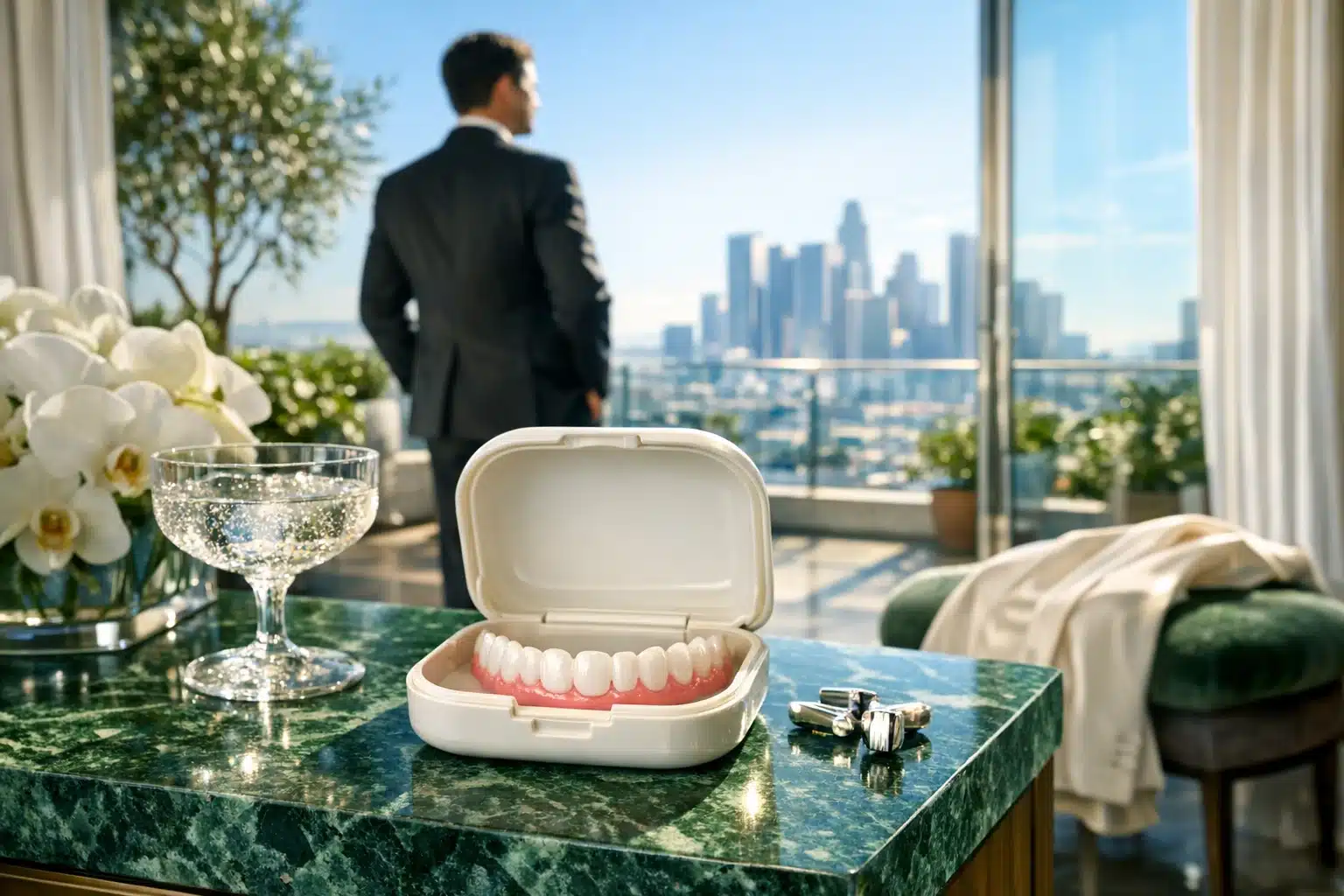
Clip-in teeth are removable cosmetic dental appliances designed to sit over existing teeth, cover visible gaps, or create the look of a fuller, whiter, more even smile. Depending on the product, they may be marketed as clip-in teeth, snap-on veneers, cosmetic smile covers, or temporary removable teeth. The names vary, but the basic idea is similar: they are intended to improve appearance quickly without permanently changing natural teeth.
A useful way to picture them is to think of them as a costume piece for the mouth. In the same way a jacket can instantly change an outfit, a clip-in appliance can transform a smile in a short amount of time. That convenience is the main reason they attract attention. Many people explore them before weddings, interviews, photo shoots, video calls, reunions, or other moments when appearance feels especially important.
Most clip-in options are made from resin, molded plastic, or other dental-style polymers. Some are generic, meaning they come in pre-made shapes and are adjusted at home. Others are semi-custom or custom-made from impressions of the wearer’s mouth. Custom versions generally aim for better fit, more natural tooth shape, and a more realistic gum line. Lower-cost products often focus on appearance first and function second, which is why expectations matter so much.
It is also important to understand what clip-in teeth are not. They are not the same as:
- Permanent veneers bonded to natural teeth
- Dental implants anchored into bone
- Full or partial dentures made to replace chewing function
- Orthodontic devices that move teeth into better alignment
Some clip-in devices can visually mask a missing tooth, but they do not replace the strength or stability of a true restorative treatment. If a person has gum disease, untreated decay, loose teeth, or jaw pain, a cosmetic cover will not solve the underlying issue. In some cases, it may even make that issue harder to notice.
Compared with dentist-made temporary appliances such as a flipper tooth or an Essix retainer with a replacement tooth, consumer clip-in teeth usually place more emphasis on broad cosmetic coverage than on precise dental restoration. That distinction matters. A flipper is often created for a very specific missing tooth situation, while a cosmetic clip-in tray may be designed to improve the overall look of the front teeth. Understanding that difference helps buyers judge products more fairly and avoid expecting medical performance from a cosmetic accessory.
Costs, Price Ranges, and What You Are Really Paying For
The cost of clip-in teeth varies widely, and the gap between a bargain purchase and a well-fitted appliance can be larger than many shoppers expect. Broadly speaking, very low-cost generic options sold through online marketplaces may start around 20 to 100 dollars. Mid-range mail-order products that use home impressions often land somewhere around 100 to 500 dollars. More tailored temporary solutions involving a dental office, better materials, or more detailed fabrication can cost several hundred dollars and sometimes well over 1,000 dollars depending on location, complexity, and design.
That spread exists because buyers are not only paying for the visible teeth. They are paying for a mix of factors, including:
- Material quality and stain resistance
- Whether the fit is generic, adjustable, or custom
- The detail of the tooth shape and color matching
- Impression kits, lab work, and shipping
- Customer support, remakes, or satisfaction policies
A low price can be attractive, especially when compared with traditional cosmetic dentistry. But cheap and good rarely overlap perfectly in this category. A product that looks acceptable in a photo may feel bulky in the mouth, create an unnatural bite, or show an artificial shine that is obvious at close range. When that happens, the “deal” stops feeling economical. Many buyers discover that a second or third purchase ends up costing more than choosing a better option in the first place.
There are also hidden costs that do not appear in the first ad. Some companies charge separately for impression retakes, shipping upgrades, replacement trays, or color revisions. If the fit is poor, you may need a dental visit to check whether the appliance is irritating gums or pressing on vulnerable teeth. Even when a product is cheaper than professional dental work, inconvenience has a price too: time, trial and error, and the stress of wearing something that never feels quite right.
For context, permanent alternatives usually cost more because they involve direct clinical work and longer-term treatment goals. Cosmetic bonding may cost a few hundred dollars per tooth, porcelain veneers often cost far more, and implants can reach several thousand dollars for a single tooth once all stages are included. Against that backdrop, clip-in teeth can look inexpensive. Still, they serve a different purpose. They are usually best understood as a removable appearance solution, not a replacement for comprehensive dental care.
The smartest way to evaluate price is to ask one simple question: what job do I need this product to do? If the goal is occasional cosmetic use for events, a mid-range removable option may be sufficient. If the goal is daily comfort, natural speech, reliable chewing, and long-term oral function, the cheapest route may become the most expensive detour.
Comfort, Fit, Speech, and Everyday Wear: The Practical Reality
Comfort is where marketing language meets real life. A clip-in appliance may look convincing in a product photo, but wearing one for an hour, a conversation, or a dinner is a very different experience. Even well-made versions introduce extra material into the mouth, and that changes how the lips rest, how the tongue moves, and how the bite comes together. For some users the adjustment is minor. For others it feels like trying to smile while wearing a thin plastic costume mask inside the mouth.
The biggest factor in comfort is fit. A custom-made appliance shaped from accurate impressions will usually feel more secure and less bulky than a generic boil-and-fit version. Better fit can reduce slipping, rubbing, and awkward pressure points. It can also make the teeth look more believable because the edges sit closer to the natural contours of the mouth. Poorly fitted clip-in teeth, on the other hand, may click while speaking, lift during laughter, or make the front teeth appear overly large and bright.
Speech is another major consideration. Many first-time users notice temporary changes in pronunciation, especially with sounds such as “s,” “f,” “th,” and “v.” That happens because the tongue and lips are suddenly working around new surfaces. Some people adapt after a short practice period, while others continue to experience a lisp or a slight thickness in their speech. If your job involves public speaking, teaching, sales, or frequent phone calls, this detail matters more than a product description might suggest.
Eating is where limitations become especially clear. Many cosmetic clip-in teeth are not designed for normal chewing, particularly hard, sticky, or crunchy foods. Even brands that allow light eating often come with cautions. Pressure from chewing can loosen the fit, strain the material, or create sore spots. Common day-to-day issues include:
- Excess saliva at first use
- Gum irritation from rubbing edges
- A feeling of tightness or thickness over natural teeth
- Food trapping between the appliance and the mouth
- Discomfort if worn for too many hours without a break
Hygiene also affects comfort. If plaque, moisture, or debris collect under the appliance, wear can become unpleasant quickly. That is why most products need cleaning after each use and should generally be removed before sleep unless a dentist specifically advises otherwise for a different kind of device. Signs that a clip-in appliance is not working well include pain, bleeding gums, repeated slipping, jaw strain, or a strong odor after short wear. Those are not “normal adjustments” to ignore.
In short, clip-in teeth can be comfortable enough for many cosmetic situations, but they are rarely invisible to the wearer. The more realistic expectation is not “I will forget it is there,” but rather “I can wear this comfortably for the purpose I bought it for.” That small shift in mindset can make the difference between satisfaction and frustration.
How to Choose the Right Option and When to Look Beyond Clip-In Teeth
Choosing the right clip-in teeth starts with being honest about your goal. Are you trying to look better in photos, cover a gap temporarily, bridge the time before dental treatment, or find a daily confidence boost on a budget? Different goals point to different solutions. Someone who wants a smile for occasional events may be happy with a cosmetic removable appliance. Someone who needs to chew normally or replace a missing tooth long term may need a very different path.
Before buying, it helps to evaluate your mouth as carefully as you would evaluate the product. If you have untreated cavities, active gum bleeding, loose teeth, severe crowding, or significant jaw discomfort, speak with a dentist before using a cosmetic overlay. A clip-in product can hide visible problems while doing nothing to stop them from worsening. In some cases, placing pressure over unhealthy teeth or gums can make a bad situation more uncomfortable.
When comparing sellers or brands, look for specifics rather than slogans. Strong options usually provide clear information about materials, fit process, cleaning instructions, expected wear time, and remake policies. Weak options lean on miracle language and dramatic transformations without explaining the trade-offs. A careful shopper should look for:
- Transparent pricing with no vague add-on fees
- Realistic product photos from multiple angles
- Detailed instructions for impressions and fitting
- A clear return, adjustment, or remake policy
- Customer support that answers practical questions, not just sales questions
It is also wise to compare clip-in teeth with alternatives. If discoloration is the main issue, professional cleaning or whitening may be a simpler answer. If one chipped tooth is the concern, bonding may offer a more natural and functional fix. If a tooth is missing, a flipper, partial denture, bridge, or implant consultation may make more sense depending on budget and oral health. If alignment bothers you, orthodontic options address the cause rather than covering the result.
Here is a practical way to think through the decision:
- Choose clip-in teeth if you want a removable, non-permanent cosmetic option and understand the limitations.
- Choose a dentist-led temporary restoration if you need a more specific replacement for a missing tooth.
- Choose restorative or cosmetic dental treatment if your goal is long-term function, durability, and a more integrated result.
One of the easiest mistakes is buying based only on how much a product improves a smile from the front. Natural-looking teeth also depend on side profile, thickness, gum contour, color tone, and how the mouth moves while speaking. A good choice balances appearance with comfort and realism. A flashy choice may win the first impression but lose every time you open your mouth to talk.
Care, Lifespan, and Final Takeaways for Potential Buyers
If you decide clip-in teeth fit your needs, proper care matters more than many buyers realize. These appliances live in a warm, moist environment and sit close to saliva, food particles, and bacteria, so neglect shows up quickly. Even a product that looked bright and polished on day one can develop odor, staining, or a cloudy finish if it is not cleaned consistently. Gentle maintenance usually protects both appearance and comfort.
Basic care often includes rinsing after use, brushing lightly with a soft toothbrush if the manufacturer allows it, and storing the appliance in a clean case. Very hot water can warp some materials, and harsh toothpaste or abrasive cleansers can scratch the surface. Small scratches matter because they can trap stains and make the finish look dull. A few simple habits go a long way:
- Remove the appliance after use unless instructions say otherwise
- Clean it before storing it away
- Keep it dry when not in the mouth if the product guidance recommends that
- Avoid exposing it to heat that may change its shape
- Stop using it if cracks, sharp edges, or persistent odor appear
Lifespan varies greatly. Low-cost generic clip-in teeth may lose their shape, loosen, discolor, or look artificial after relatively short use. Better custom-made appliances can last much longer, especially when used occasionally and cared for properly. Still, even a higher-quality option is not a forever product. Daily wear, grinding, accidental drops, and frequent eating can shorten its usable life. It is best to treat clip-in teeth as a temporary or medium-term cosmetic tool rather than a permanent dental destination.
So who are they best for? They tend to suit people who want a reversible appearance change, understand that comfort may require adjustment, and are willing to accept limits around eating and daily wear. They can be useful for events, photos, presentations, or periods when a person wants a confidence lift without starting a larger treatment plan immediately. They are usually a weaker match for anyone expecting a medical-grade replacement for missing teeth, a cure for oral health problems, or a completely natural all-day experience.
For the target reader thinking, “I just want to feel less self-conscious when I smile,” clip-in teeth can be a practical stepping stone. For the reader thinking, “I need a long-term answer that feels stable and functions like real teeth,” they are more likely a temporary stop on the road. The best choice is the one that fits your budget, your expectations, and your dental reality all at once. A smarter smile purchase is rarely the fastest one; it is the one made with clear eyes, a realistic goal, and a willingness to choose function as carefully as appearance.