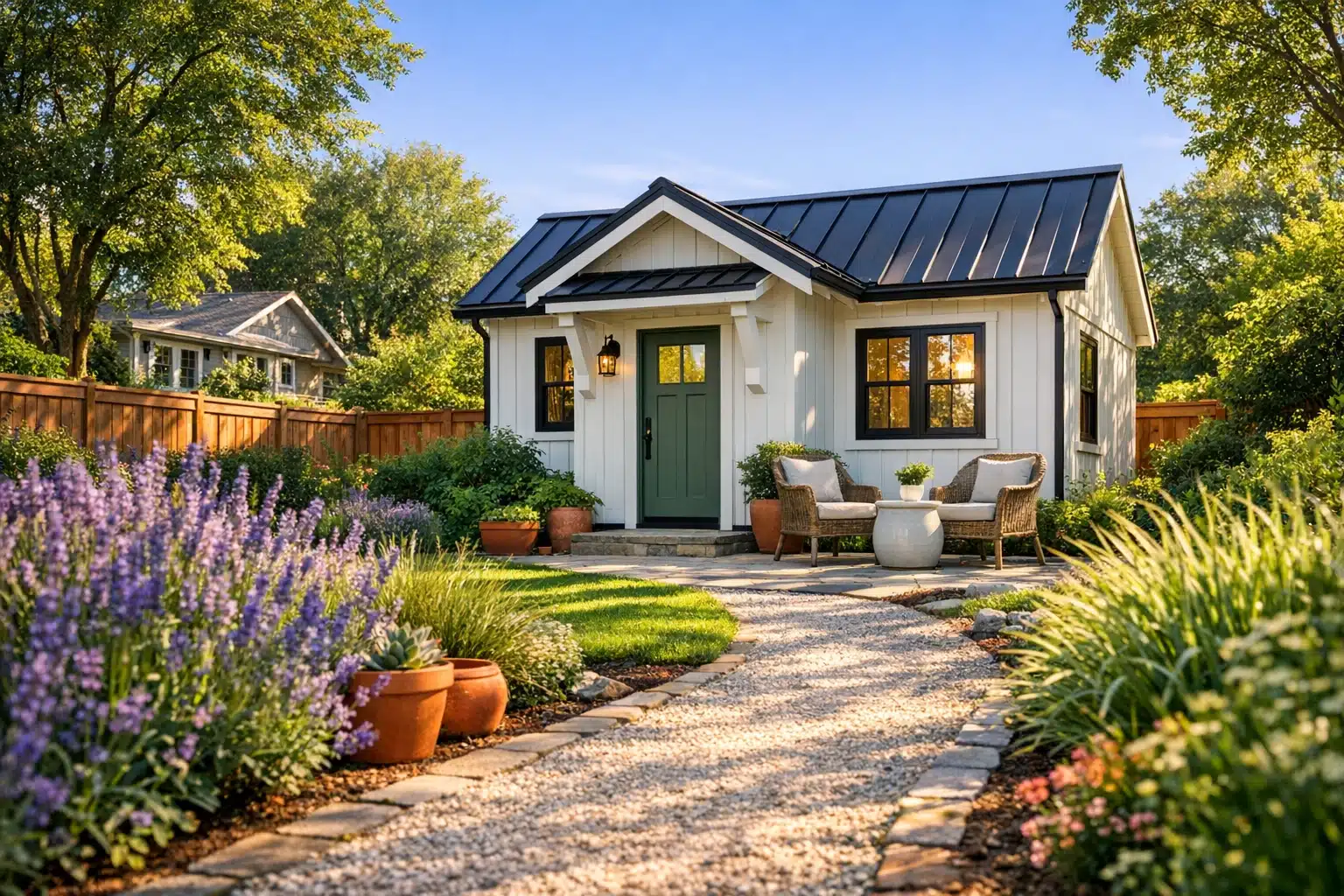
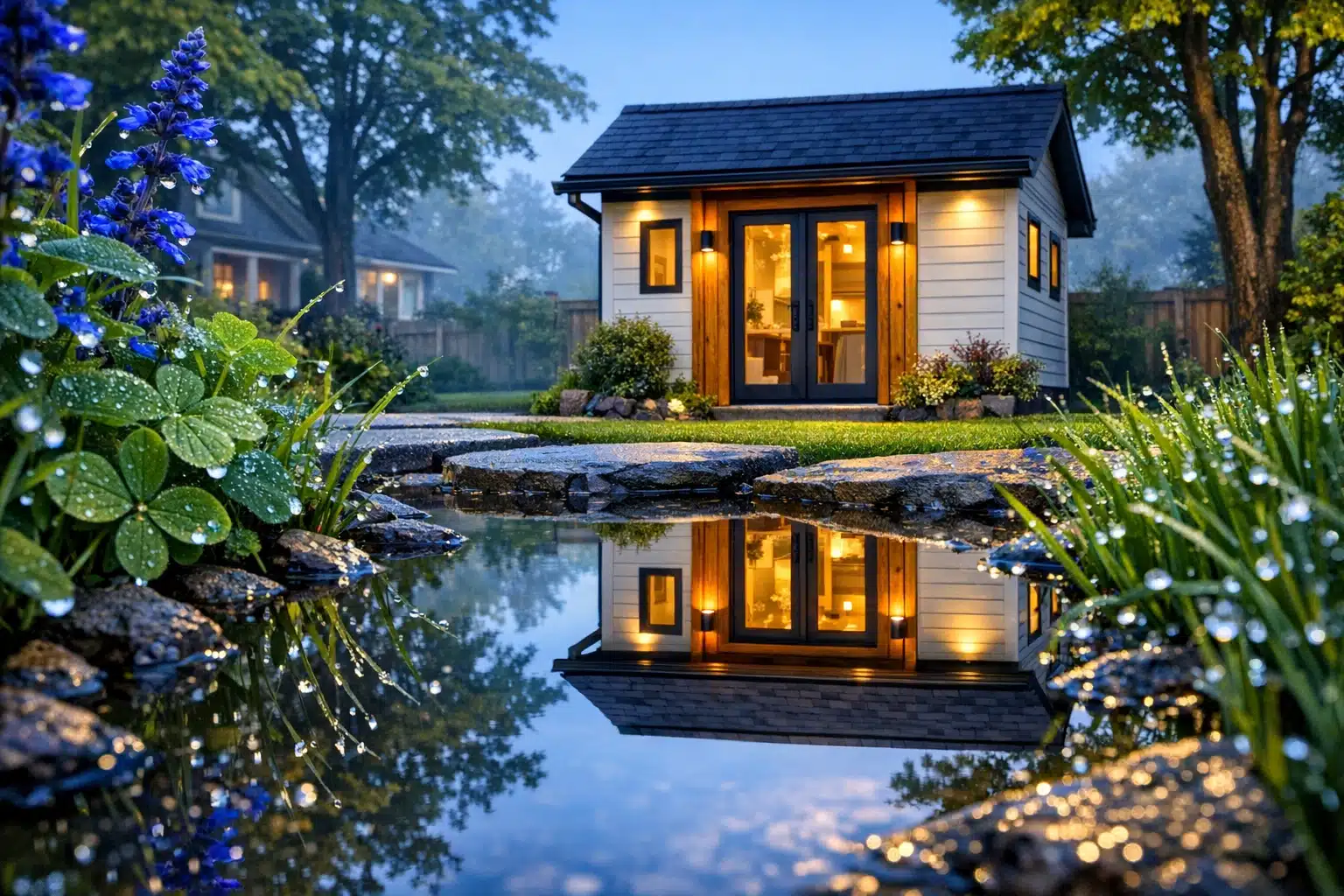
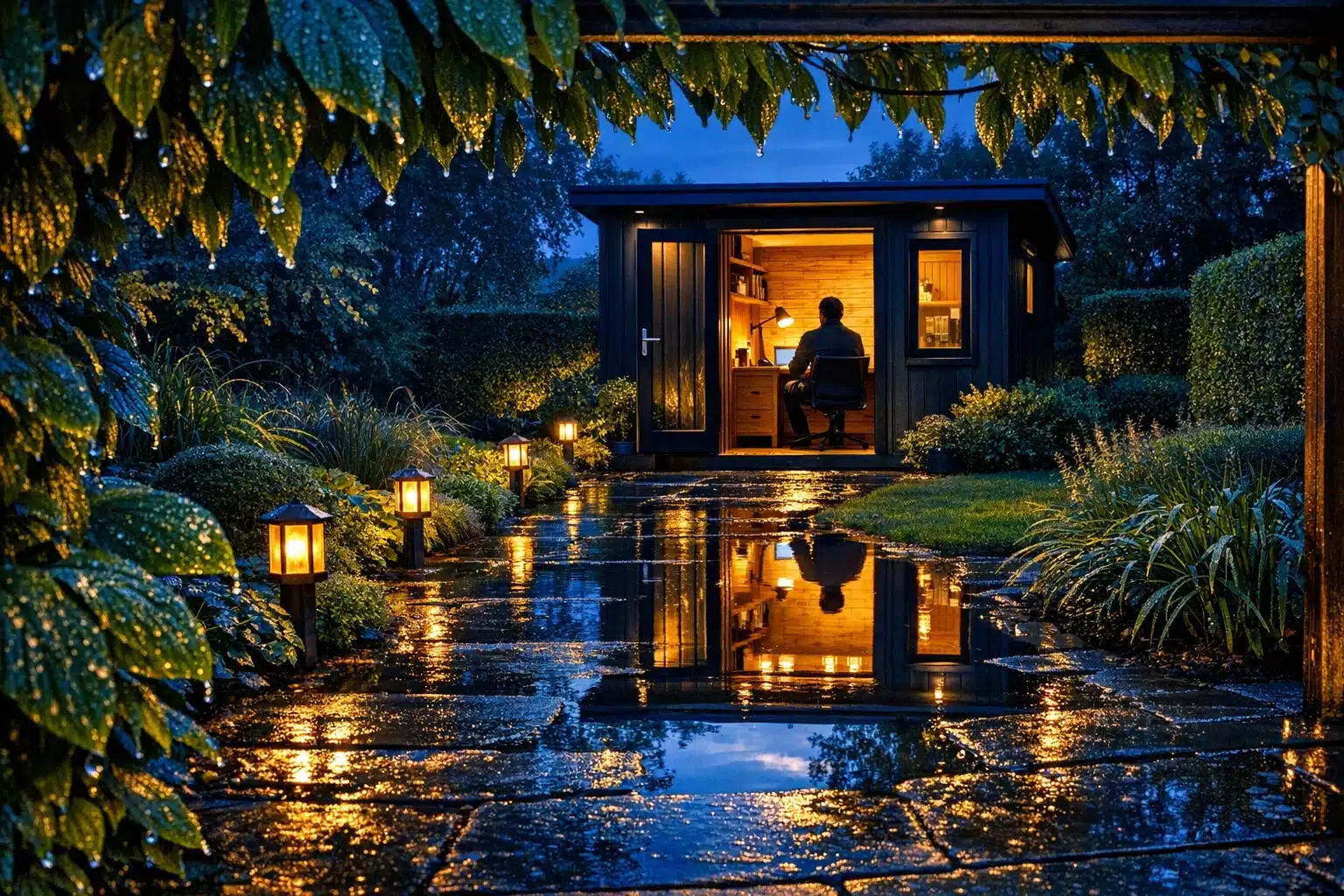
 Artificially generated image
 Create a Cozy Garden Office for Better Work-Life Balance
Working from home can feel freeing at first, yet the kitchen table, spare room, and sofa often blur the boundary between professional focus and everyday life. A garden office creates welcome separation without taking you far from home, giving the day a clearer start and a more satisfying finish. When planned carefully, it becomes more than a stylish outbuilding; it supports concentration, comfort, storage, and healthier routines. The sections below explore how to shape that space so it earns its place year-round.
Outline: Why a Garden Office Matters and What This Article Covers
The appeal of a garden office is easy to understand. It offers a dedicated place to work without a commute, without the background noise of shared living areas, and without the constant visual reminder of household chores. For many remote workers, freelancers, consultants, and small business owners, that separation is not a luxury feature. It is a practical tool that helps the mind switch into work mode and, just as importantly, switch back out again at the end of the day.
Explore how a garden office can create a comfortable workspace with design ideas, productivity tips, and planning considerations. That sentence captures the real value of the topic because a good garden office is never only about appearance. It sits at the intersection of layout, insulation, power supply, internet access, storage, ergonomics, and routine. A beautiful room that overheats in summer, freezes in winter, or struggles with weak Wi-Fi will quickly stop feeling like a smart investment.
This article follows a clear path so readers can assess the idea from several angles before making decisions. The main areas include:
- How a detached workspace compares with a spare bedroom, kitchen corner, or coworking membership.
- What to consider before building, including position, access, local rules, and likely costs.
- How design choices such as windows, materials, insulation, and furniture affect comfort and performance.
- Which technology and work habits help the space function smoothly during real working days.
- How to use the office to support work-life balance rather than simply relocating stress into the garden.
There is also an emotional side to the story. Stepping into a garden office in the morning can feel like crossing a small bridge between two worlds. Birds, weather, and daylight create a transition that an indoor room rarely offers. That subtle shift can improve mood and routine, especially for people who feel boxed in by screens and walls. At the same time, practical questions still matter more than romance. A successful garden office works best when ambition is matched by careful planning, realistic budgeting, and a clear idea of how the space will be used every week.
Planning the Space: Location, Permissions, Budget, and Daily Use
Before choosing paint colors or desk lamps, it helps to start with the practical skeleton of the project. The first decision is placement. A garden office should feel separate, but it should not be awkward to reach in bad weather or so far from the house that basic tasks become inconvenient. The route matters more than people expect. A short, well-lit path with stable paving can make a daily walk to work pleasant in winter mornings and rainy evenings, while a muddy shortcut can make the space feel less usable after the novelty wears off.
Orientation also matters. A south-facing structure may capture excellent daylight, but it can become uncomfortably hot if glazing is not balanced with shade, ventilation, or blinds. A north-facing office often gives steadier light with less glare, which many people prefer for screen work. Nearby trees can provide welcome summer shade, though they may also reduce light in colder months and drop leaves into gutters. In other words, the best spot is not simply the emptiest patch of garden. It is the location that supports year-round use.
Planning considerations vary by region, so homeowners should check local regulations, building rules, electrical requirements, and any restrictions related to listed properties or shared boundaries. Even when formal permission is not required, it is wise to confirm the rules before work begins. That step can prevent expensive redesigns later.
Budgeting should be handled with similar honesty. The structure itself is only part of the cost. A realistic budget usually includes:
- Ground preparation and foundations
- Insulation, glazing, and weatherproofing
- Electrical installation and lighting
- Heating, cooling, and ventilation
- Internet connection or signal extension
- Interior finishes, desk setup, and storage
It is also worth defining the main purpose of the room. A writer, video editor, therapist, designer, or online tutor may all need very different environments. Someone spending full days on calls will prioritize acoustics and internet stability. Someone doing craft-based work may need more storage, stronger task lighting, and a washable floor. When the intended use is clear from the beginning, the finished office feels purposeful instead of generic.
Designing for Comfort: Insulation, Light, Materials, and Atmosphere
A productive garden office does not need to be large, but it does need to feel comfortable from morning to evening. Comfort starts with the building envelope. Good insulation in the walls, roof, and floor helps stabilize temperature, lowers heating demand, and makes the room more usable across seasons. Without it, a garden office can become a greenhouse in summer and a cold box in winter. Double glazing, insulated doors, and draught control also improve acoustic separation, which is especially useful if the garden borders a road or lively neighborhood.
Natural light deserves special attention because it shapes both mood and function. Large windows can make a small office feel open and calm, yet too much direct sun creates glare on screens and visual fatigue. The most successful designs balance daylight with control. Blinds, curtains, overhangs, or carefully placed planting can soften harsh light while keeping the room bright. If artificial lighting is needed, layering works better than relying on a single ceiling fitting. Ambient light for the whole room, task lighting for the desk, and a softer lamp for late afternoon can make the space feel more like a destination than a utility shed with a laptop in it.
Materials influence the experience as much as layout. Timber interiors often create warmth and absorb some sound, while plasterboard and painted finishes can look crisp and minimal. Durable floors such as engineered wood, quality vinyl, or low-pile carpet tiles each have strengths. A hard floor is easier to clean and works well with underfloor heating. Carpet tiles can soften acoustics and add comfort underfoot. The right choice depends on climate, budget, and the type of work being done.
A cozy office also benefits from visual restraint. Too many decorative elements can compete for attention. Instead, it helps to anchor the room with a few thoughtful pieces:
- A comfortable chair that supports long sessions
- Closed storage to reduce visible clutter
- One or two plants for softness and color
- Wall space for notes, art, or planning boards
- A small shelf or side table for books and personal items
The result should feel calm rather than sterile. When the room welcomes you in, concentration tends to follow more naturally.
Building a Remote Workspace That Supports Focus and Home Productivity
A garden office becomes truly valuable when it supports real working habits rather than simply looking good in photographs. That means thinking about ergonomics, technology, sound, and workflow as a connected system. Start with the desk setup. A desk at the right height, a supportive chair, and a screen positioned near eye level can reduce neck and shoulder strain during long workdays. For people who spend several hours typing or attending online meetings, these details have a cumulative effect. Minor discomfort repeated every day quickly becomes a major distraction.
Technology should be treated as infrastructure, not an afterthought. Reliable electricity, enough outlets, and stable internet access are basic requirements for most remote jobs. In some homes, the Wi-Fi signal weakens by the time it reaches the far end of the garden, so a wired connection, mesh system, or dedicated booster may be necessary. Video calls also benefit from good microphone quality, a simple background, and controlled lighting. If the office is used for creative work, extra storage drives, backup systems, and surge protection are sensible additions.
Acoustics often separate a merely usable room from a genuinely effective workspace. Hard surfaces bounce sound, while rugs, curtains, acoustic panels, books, and upholstered elements help soften echo. This is especially important for people who teach, coach, record podcasts, or spend a large part of the day on calls. Even a small room can sound polished when a few absorbent materials are introduced strategically.
Productivity also depends on routine. A dedicated workspace works best when paired with a few consistent behaviors:
- Start the day at a regular time and open the office with intention.
- Keep work materials stored in the office instead of carrying them back indoors.
- Use a brief shutdown ritual, such as clearing the desk and listing tomorrow’s priorities.
- Take breaks outside or back in the house so the office remains linked to purposeful work.
Compared with working from a bedroom or dining table, a garden office reduces the visual and mental spillover that can make remote work exhausting. It does not eliminate distraction entirely, but it gives productivity a better environment in which to grow.
Conclusion: Creating Better Work-Life Balance with a Garden Office
For people who work from home regularly, the biggest promise of a garden office is not novelty. It is clarity. A separate workspace can create a stronger rhythm between focused hours and personal time, which is often the missing piece in home-based work. Instead of checking emails beside the laundry basket or balancing a laptop next to breakfast dishes, you step into a place designed for one main purpose. That simple shift can make work feel more contained and home feel more restful.
Of course, a garden office is not automatically the right answer for everyone. A spare room may still be the most sensible option for households with limited outdoor space or tight budgets. A coworking membership may suit people who value social interaction, city access, or flexible commitments. Yet for those who want privacy, convenience, and a meaningful boundary without leaving the property, a well-designed garden office offers a compelling middle path.
The best results usually come from balancing ambition with restraint. It is tempting to chase every feature at once, but a smaller room that is properly insulated, well lit, and thoughtfully furnished often performs better than a larger space with weak fundamentals. A calm desk area, dependable heating, practical storage, and strong connectivity matter more than trendy finishes. When those basics are right, the office supports serious work in every season.
For the target audience, whether you are a remote employee, freelancer, consultant, or creative professional, the question is not simply, “Would this look nice in my garden?” A better question is, “Would this improve the way I work and live each week?” If the answer is yes, then the project deserves careful attention. A successful garden office can help protect concentration, reduce domestic friction, and make the end of the workday feel real again. In a world where work increasingly follows us everywhere, having a place that gently says “begin here” and “stop here” is a rare advantage.