 Artificially generated image
 Faux Stone Panels: A Guide to Design, Installation, and Costs
Faux stone panels have changed how homeowners add depth, warmth, and architectural texture without the weight, dust, and time demands of full masonry. They work for fireplace surrounds, entry walls, kitchen islands, basement upgrades, and exterior facades, making them relevant to both weekend renovators and long-term property planners. This article shows why they matter in modern home design and what to examine before choosing a style, budget, or installation method.
Explore faux stone panels, including design options, installation considerations, costs, durability, and indoor or outdoor applications.
What Faux Stone Panels Are and Why They Fit Modern Home Design
Faux stone panels are decorative wall cladding products made to imitate the look of natural stone while simplifying handling, transport, and installation. Most are manufactured from high-density polyurethane, composite materials, or molded polymers that capture the texture of stacked stone, river rock, ledge stone, fieldstone, or rough-cut block. From a few feet away, well-made panels can create a convincing visual effect, especially when they are paired with thoughtful lighting, proper corner pieces, and a design plan that respects the scale of the room or facade. For many homeowners, that combination of appearance and convenience is the real appeal.
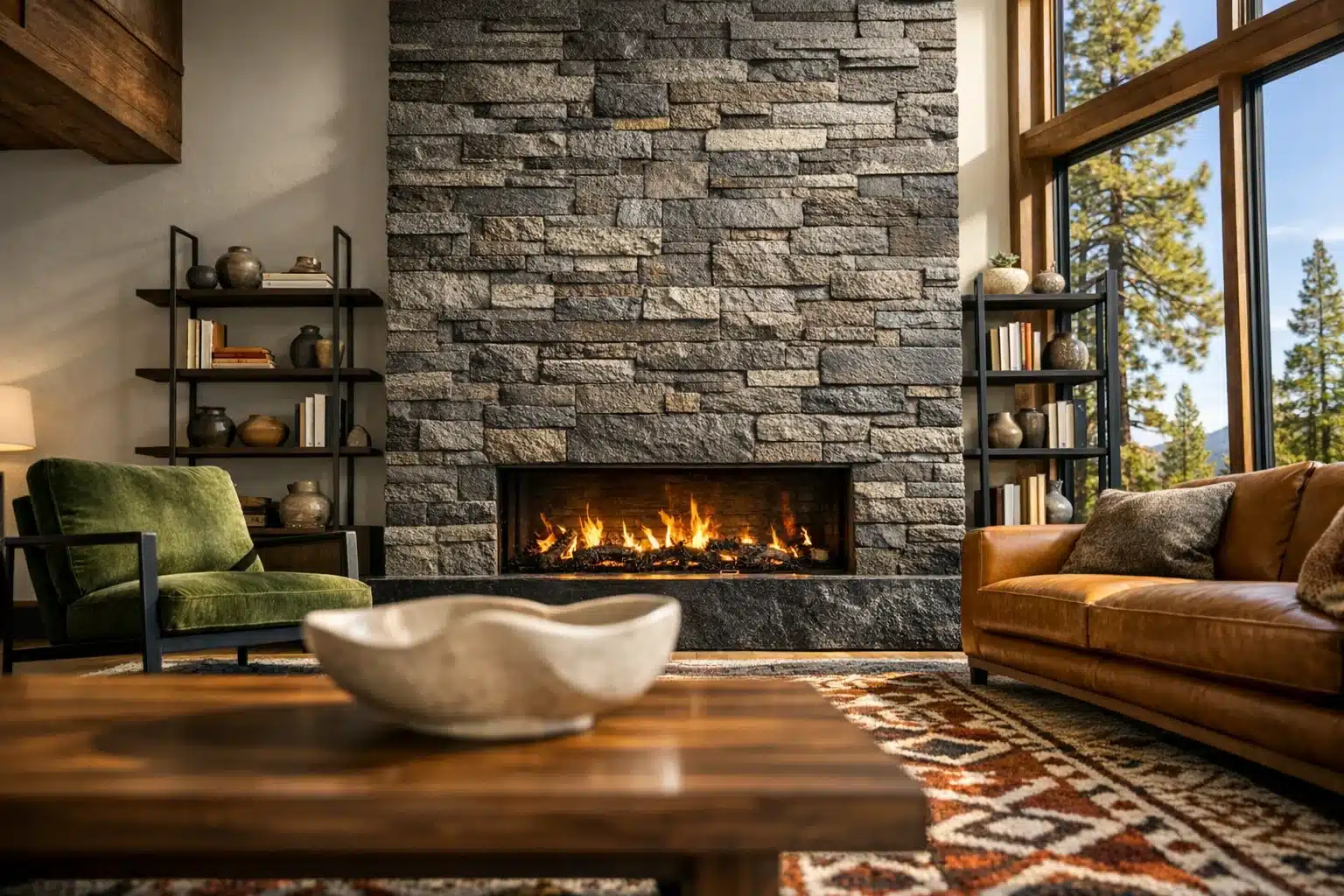
In home design, faux stone works because it adds visual weight without requiring structural changes that real masonry often demands. A plain drywall wall can suddenly feel anchored. A fireplace can look more intentional. An exterior entry can gain definition without weeks of labor. The trick is not simply choosing a “stone look,” but choosing one that matches the architecture of the house. A rustic cabin-inspired panel may feel out of place in a sharp-lined contemporary interior, while a sleek gray stacked stone panel can look excellent in a modern media wall but too cold on a cottage porch. Color undertones also matter. Warm tan and brown blends usually feel traditional and inviting, while charcoal, slate, and ash gray often create a cleaner, more urban effect.
When comparing styles, a few design principles make decision-making easier:
• Large, bold stone profiles often suit tall exterior walls or expansive feature areas.
• Smaller, tighter patterns can work better indoors where viewers stand closer to the surface.
• Deep texture creates drama, but it can also cast stronger shadows and collect more dust.
• Mixed-color panels hide seams more effectively than very uniform finishes.
Another reason these panels remain popular is their flexibility. They can be used as a full-wall treatment, a wainscot-style lower section, a fireplace surround, a kitchen island wrap, or a backdrop behind shelving and artwork. Designers often use them the way a filmmaker uses scenery: not everywhere, but where the eye should naturally land. A single accent wall can change the mood of a room more effectively than covering every surface. In that sense, faux stone panels are less about imitation and more about composition. They bring texture into spaces that might otherwise feel flat, and that makes them a practical tool in contemporary renovation rather than just a decorative shortcut.
Easy Installation: What the Process Looks Like for DIY and Professional Projects
One of the biggest advantages of faux stone panels is ease of installation compared with traditional stonework. Real stone or even manufactured stone veneer often requires mortar, lath, skilled placement, longer cure times, and more site mess. Faux stone panels are usually designed as larger interlocking sections that can be fastened mechanically with screws or nails, and in some cases supported with construction adhesive depending on the manufacturer’s instructions. This system reduces labor steps and makes the job more approachable for competent DIYers, especially on interior projects with flat, dry surfaces.
A typical installation begins with measuring the wall and checking the substrate. The base surface needs to be sound, relatively even, and appropriate for the product. Indoors, that may mean drywall, plywood, cement board, or another stable backing. Outdoors, moisture management becomes more important, and installers may need a weather-resistant barrier, flashing, and proper fastening into studs or structural backing. Layout planning comes next. This is where many successful projects are won. Dry-fitting a few panels, marking level reference lines, and identifying corner transitions can prevent awkward cuts or visible seam patterns later. Panels are commonly cut with basic tools such as a circular saw or handsaw suited to the material, though eye protection and dust control remain important.
Most projects follow a sequence like this:
• Prepare and clean the surface.
• Mark a level starting line.
• Install corner pieces first if the system uses them.
• Fit the first row carefully because it sets the alignment for everything above it.
• Stagger seams where possible for a more natural appearance.
• Secure panels according to the manufacturer’s fastener spacing guidance.
• Seal joints or exposed edges if the product instructions require it.
“Easy installation” does not mean “careless installation.” Common mistakes include starting from an unlevel base, ignoring expansion gaps where required, fastening too tightly, placing exterior panels without proper drainage details, or mixing color batches without checking variation first. For a small indoor accent wall, a careful homeowner may handle the project over a weekend. For tall exterior walls, complex corners, or areas exposed to water, hiring a professional can be money well spent. The labor savings associated with faux stone are real, but so is the value of precision. When installed correctly, the finished surface can look intentional and architectural; when rushed, even an attractive panel can look like a costume instead of part of the house.
Understanding Costs: Materials, Labor, and the True Value of the Project
Cost is often the turning point in the decision between faux stone panels and heavier masonry alternatives. Material pricing varies by texture quality, panel size, finish realism, corner accessory needs, and whether the product is rated for indoor-only or full exterior use. In many markets, faux stone panels fall into a lower labor category than traditional stone because they cover more area per piece and install faster. That said, the least expensive panel is not always the best value. A bargain product with shallow texture, repeated patterns, or weak UV performance may save money on day one and disappoint later.
Homeowners should think about project pricing in layers, not just shelf price. The total can include:
• Panels or starter kits
• Corner pieces and edge trims
• Fasteners, adhesive, and sealants
• Moisture barrier or backing materials for exterior use
• Cutting tools or blade replacements
• Labor if the work is outsourced
• Waste allowance for off-cuts and tricky layouts
As a broad planning range, faux stone panel materials often cost less than full natural stone installations and may also come in lower than many labor-intensive veneer systems. Installation by a contractor can still raise the final budget significantly depending on wall height, site access, complexity, region, and preparation work. A simple basement accent wall may stay relatively manageable, while a two-story exterior facade with corners, trim integration, and scaffolding becomes a much bigger line item. This is why comparing per-square-foot material costs alone can be misleading. A panel that installs in a fraction of the time may offer real savings even if the unit price looks moderate rather than cheap.
Value also depends on expectations. Faux stone panels are usually chosen for visual impact, easier installation, and reduced structural demands. They are not a perfect substitute for every premium masonry application, and buyers should be honest about that. Yet for many remodels, they deliver a strong return in usability: less labor, lower disruption, easier transport, and the ability to update a plain surface quickly. If the goal is to make a den feel richer, improve curb appeal around an entry, or give a renovation more texture without rebuilding the wall system, faux panels can be financially sensible. The smartest budget is the one that accounts for materials, labor, finishing details, and performance in the actual location, rather than chasing the lowest sticker price and hoping the rest works itself out.
Durability, Maintenance, and Performance Over Time
Durability is where careful product selection matters most. Faux stone panels are lightweight, but their long-term performance depends heavily on material quality and installation conditions. Better-made panels are engineered to resist fading, moisture intrusion, minor impacts, and seasonal temperature changes, while lower-grade products may become brittle, discolor, or show seam movement more quickly. Exterior-rated panels should be evaluated for UV resistance, water management compatibility, and climate suitability. A panel that performs well on a covered porch in a mild region may behave differently on a sun-beaten south-facing wall that also sees freeze-thaw cycles.
Maintenance is usually straightforward, which is another reason these products appeal to busy homeowners. Indoors, dusting with a soft brush attachment or wiping with a damp cloth is often enough. Outdoors, occasional rinsing with water and gentle cleaning can remove dirt, pollen, or road film. Harsh chemicals and aggressive pressure washing are usually a bad idea unless the manufacturer specifically says otherwise. The surface texture that makes faux stone attractive can also trap debris in crevices, so a little routine attention helps preserve the look.
A few practical durability checks before purchase can save frustration later:
• Confirm whether the panel is rated for interior use, exterior use, or both.
• Review the warranty and note what conditions may void it.
• Check whether color fading, cracking, or water damage are covered.
• Ask about recommended sealants, trims, and installation accessories.
• Verify clearances near heat sources such as fireplaces or grills.
It is also important to understand that “durable” does not mean indestructible. Lightweight panels can be vulnerable to sharp impact in high-traffic zones, and poor water detailing can damage almost any cladding system over time. Fire-rated requirements vary by product, so installation around stoves or fireplaces should never rely on guesswork. Still, when the right panel is matched to the right environment, faux stone can hold up well for years while retaining its visual character. Think of it like a good travel jacket: it is not armor, but if it is made well and used where intended, it performs reliably and looks good doing it. For homeowners balancing appearance, maintenance, and practicality, that is often exactly the level of performance needed.
Best Indoor and Outdoor Uses, Design Tips, and Final Advice for Homeowners
Faux stone panels are at their best when used with purpose. Indoors, they can transform a fireplace surround, TV wall, stair landing, entry niche, kitchen island base, home bar, or basement feature wall. In these settings, their biggest strength is mood. A room that once felt blank can suddenly feel grounded, layered, and more expensive than it really was to build. Outdoor applications are equally compelling when planned well. Entry columns, porch walls, foundation accents, outdoor kitchens, garden structures, and selected facade sections can benefit from the texture of stone without the structural burden of true masonry. Used wisely, faux stone helps frame the house instead of overwhelming it.
Placement matters as much as product quality. On a large exterior, wrapping every wall in faux stone may feel visually heavy and increase cost without improving design. Often, the strongest result comes from selective use. Around an entrance, below a porch roofline, or across a chimney chase, stone texture can guide the eye and create balance with siding, stucco, brick, or wood. Indoors, lighting deserves equal attention. Warm directional light tends to emphasize relief and shadow, making the panel surface feel deeper and more natural. Cool, flat lighting can reduce that effect and make even a good texture look less convincing.
Before making a final choice, homeowners should ask:
• Is this a feature area or a full cladding strategy?
• Will the color complement flooring, cabinetry, roofing, or exterior trim?
• Does the texture scale match the size of the wall?
• Is the product approved for the exact environment where it will be installed?
• Does the budget include corners, trim transitions, and substrate prep?
For the target audience of this guide, the takeaway is simple. If you want the look of stone without the complexity of a traditional masonry build, faux stone panels can be a smart and attractive solution. They suit homeowners who value easier installation, controlled costs, and flexible design options, but they reward careful planning rather than impulse buying. Choose a style that fits the architecture, verify the product rating, budget beyond the panel price, and treat installation details seriously. Do that, and faux stone panels can move from being a quick decorative idea to a durable design decision that genuinely improves how a home looks and feels.