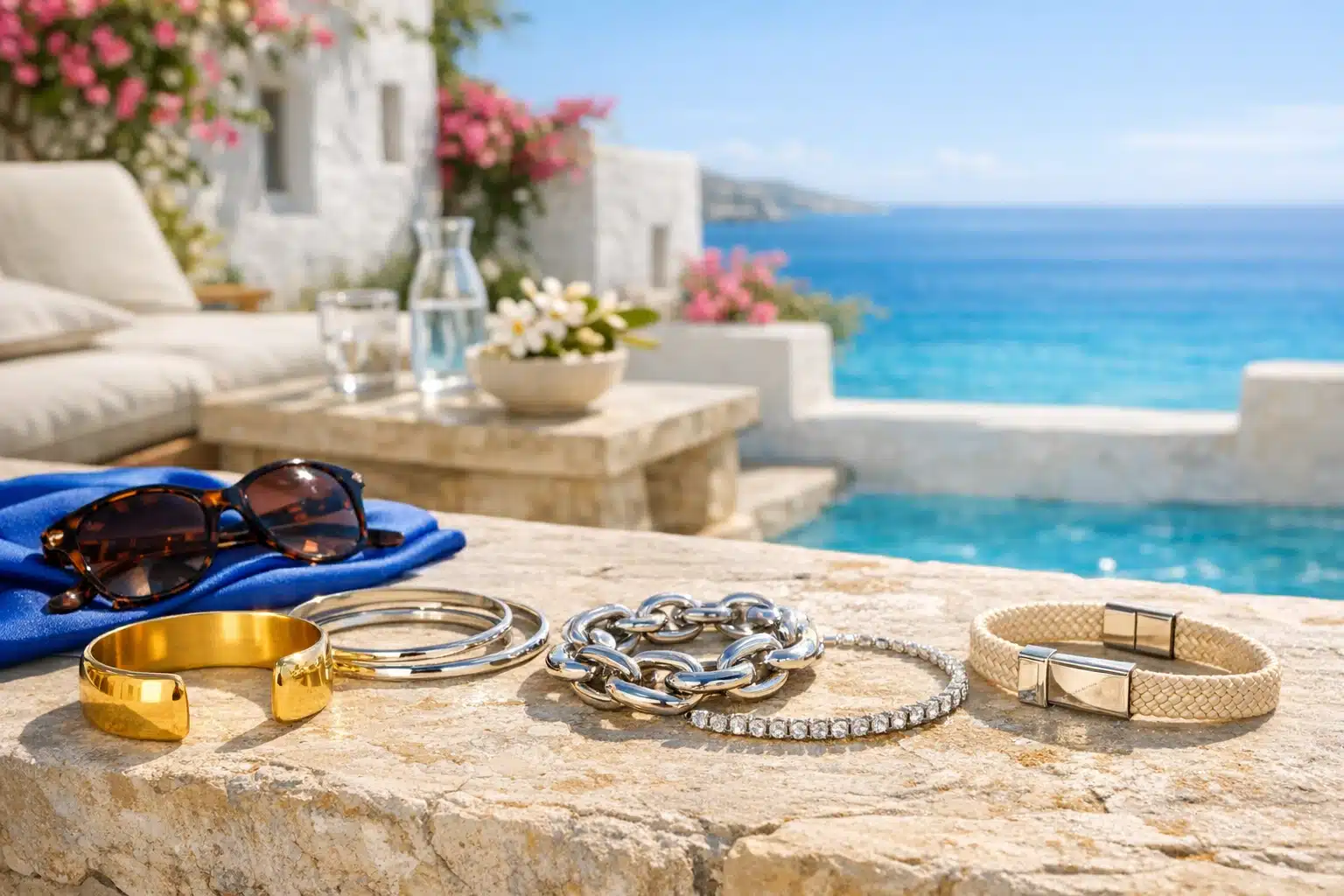
 Artificially generated image
 Modern Bracelet Jewelry Guide: Designs, Materials, and Craftsmanship
Choosing a bracelet is rarely just about sparkle; it is about comfort, durability, and the story a piece tells when it catches the light. From clean geometric cuffs to softly layered chains, bracelet design has expanded far beyond one traditional look. Materials such as gold, silver, leather, and mixed metals each change how jewelry feels, ages, and pairs with clothing. Understanding those differences helps shoppers select pieces that suit both daily routines and personal style.
Outline:
– Modern bracelet design categories and what makes them feel current
– Gold, silver, and alternative materials, including durability and value
– Decorative craftsmanship, construction methods, and quality clues
– Styling, fit, and care for everyday wear and special occasions
– Practical buying advice and a conclusion for thoughtful jewelry shoppers
Modern Bracelet Designs and the Language of Style
Bracelet design has become more varied in the last decade, shaped by fashion cycles, new production methods, and a wider appetite for personal expression. Where older collections often separated jewelry into formal or casual categories, current design tends to blur those lines. A sleek chain bracelet can be worn with tailoring at work and with denim on the weekend, while a textured cuff may feel sculptural rather than ceremonial. Contemporary bracelets often balance three priorities at once: visual identity, wearability, and layering potential. That combination explains why slim bangles, paper-clip links, tennis bracelets, woven cords, gemstone strands, and hybrid metal-leather pieces can all sit comfortably in the same market.
Explore modern bracelet designs, gold and silver materials, craftsmanship, care, and styling tips for choosing quality jewelry. Today’s most recognizable silhouettes include:
– Cuffs, which slide on and offer a bold, architectural profile
– Bangles, which create movement and sound when stacked
– Chain bracelets, valued for flexibility and styling range
– Tennis bracelets, known for symmetrical stone settings
– Beaded and woven styles, which add texture and a handcrafted mood
– Charm bracelets, which turn jewelry into a personal archive
What makes a bracelet feel modern is not only its outline but also its restraint and proportion. Designers frequently use negative space, mixed finishes, or unexpected clasps to create interest without clutter. A wide cuff, for example, may stay elegant if its edges are smooth and its curve follows the wrist naturally. A delicate chain can appear more contemporary when paired with a streamlined connector or asymmetrical drop. Scale matters too. Thick links look intentional on a bare forearm or over a fine sleeve, while narrow bracelets are often better for stacking with a watch or other pieces. Comfort should never be treated as a secondary detail. A beautiful bracelet that pinches, flips constantly, or catches on fabric will spend more time in a drawer than on a wrist. The strongest designs solve that problem through balanced weight, flexible movement, rounded interiors, and secure closures. In short, modern bracelet design is less about chasing novelty and more about finding a clear visual voice that still works in real life.
Gold, Silver, and Other Jewelry Materials Worth Understanding
Materials shape nearly every part of the bracelet experience, from color and weight to longevity and price. Gold remains one of the most sought-after jewelry metals because it resists rust and offers a warm, stable finish. Yet not all gold bracelets are the same. Pure 24-karat gold is soft, so wearable jewelry is usually made in alloys such as 18K, which contains 75% gold, or 14K, which contains 58.5% gold. Those mixes improve strength while shifting tone slightly depending on the added metals. Yellow gold stays classic, white gold appears cooler and brighter, and rose gold brings coppery warmth that works especially well with skin tones that suit softer hues.
Silver is equally important in bracelet design, especially for shoppers who want a lighter visual feel or a lower entry price than gold. Sterling silver is typically 92.5% silver and 7.5% alloy, often copper, which is why many pieces carry a 925 stamp. That alloy improves durability, although it also makes silver more prone to tarnish when exposed to air, moisture, and everyday chemicals. Fine silver has a higher silver content but is softer, so it is less common in pieces meant for frequent wear. Beyond these two metals, modern jewelry also uses stainless steel, titanium, platinum, brass, ceramic, leather, cord, resin, wood, pearls, and gemstones. Each brings a different balance of cost, maintenance, and style. Stainless steel, for instance, is durable and often affordable, while leather introduces softness and a relaxed character but needs more careful storage.
When comparing materials, shoppers should also understand the difference between solid metal and surface treatments. Gold-plated jewelry has a thin layer of gold over a base metal, while vermeil uses a thicker gold layer over sterling silver. These can look beautiful, but they age differently from solid gold. A few practical questions help separate marketing language from useful detail:
– Is the bracelet solid, plated, filled, or vermeil?
– What is the exact metal content or karat rating?
– Will the material tarnish, scratch, or patina with regular wear?
– Is the piece suitable for sensitive skin?
– Can the bracelet be polished, resized, or repaired later?
A smart material choice depends on how the bracelet will be used. Daily-wear jewelry benefits from strength, stable closures, and predictable maintenance. Occasion pieces can prioritize visual drama or unusual textures. Neither route is wrong; the best option is the one that matches habit, budget, and expectations over time.
Decorative Craftsmanship and the Details That Signal Quality
Craftsmanship is the quiet force that turns raw material into jewelry with character. Two bracelets may use the same metal and share a similar silhouette, yet the better-made piece will usually feel smoother, sit more naturally on the wrist, and hold up longer under regular movement. Good craftsmanship begins with design planning, where measurements, weight distribution, clasp placement, and decorative elements are resolved before production starts. From there, bracelets may be fabricated by hand from wire and sheet metal, cast from wax models, assembled through machine-supported manufacturing, or produced through a blend of all three methods. None of these approaches is automatically superior. What matters is precision, finishing, and whether the method suits the design.
Decorative techniques add another layer of meaning. Hammered surfaces create light play and a more organic mood. High polish reflects sharply and feels formal, while satin or matte finishes read as understated and modern. Engraving can introduce initials, motifs, or fine linear patterning. Stone-setting methods also affect both appearance and security. A bezel setting wraps metal around a stone for a clean, protective look. Prong settings allow more light to pass through, increasing sparkle but requiring careful maintenance. Channel and pavé settings create refined, continuous surfaces that can look fluid from a distance. Filigree, granulation, pierced metalwork, and hand-braiding each reveal a different tradition of skilled labor, and they often explain why one bracelet carries a higher price than another that seems similar at first glance.
For buyers, craftsmanship becomes easier to judge when viewed through a practical checklist:
– Check whether links move freely without sharp edges
– Look for even solder joints and symmetrical shapes
– Test the clasp for security and ease of use
– Inspect stone settings for gaps, wobble, or misalignment
– Notice whether the finish is consistent across visible surfaces
– Look for stamps, hallmarks, or maker information where appropriate
A well-crafted bracelet often has a kind of visual calm. Nothing looks forced, loose, or unfinished. The decorative elements support the form instead of overwhelming it. Even a dramatic piece should feel resolved, like every texture and angle belongs exactly where it is. That sense of cohesion is one of the clearest signals that a bracelet was not merely assembled, but thoughtfully made.
Styling, Fit, and Care for Bracelets That Get Worn Often
A bracelet earns its place in a jewelry collection when it looks good and behaves well through the day. Fit is the first piece of that puzzle. If a bracelet is too tight, it can feel restrictive and wear awkwardly against the skin. If it is too loose, it may twist constantly, knock against surfaces, or slide under the hand in a distracting way. Many people prefer a little movement for chain styles and a closer fit for cuffs, although wrist shape and personal comfort always matter more than a universal rule. Measuring the wrist with a soft tape and then adding a small allowance is a reliable starting point. Wider cuffs often need different spacing than fine chains because rigid shapes do not drape like flexible links.
Styling bracelets is where practicality meets personality. A single polished bangle can act like punctuation at the end of a sleeve, clean and deliberate. Several slim chains create a softer rhythm and work well with casual outfits, lightweight knits, or open cuffs on shirts. Mixing metals, once treated as a mistake, is now common because it makes jewelry feel collected rather than matched by formula. Texture is equally useful. A smooth metal bracelet worn beside a woven cord or a strand of stones creates contrast without visual clutter. For formal dressing, symmetry and restraint usually look refined. For everyday wear, asymmetry and layering can feel more alive. A few helpful styling habits include:
– Keep proportions balanced with sleeve length and watch size
– Limit overly noisy stacking if comfort matters during work
– Repeat a metal tone elsewhere in the outfit for cohesion
– Let one bracelet serve as the focal point when the design is intricate
Care is what preserves that appeal. Gold is generally low maintenance, but it can still scratch and collect residue from lotion or soap. Sterling silver benefits from regular wear and gentle polishing because long neglect can deepen tarnish. Leather should be kept away from prolonged moisture, and porous stones such as pearls or turquoise need extra caution with chemicals. A practical care routine usually looks like this:
– Wipe bracelets with a soft cloth after wearing
– Store pieces separately to reduce scratching
– Remove jewelry before swimming, heavy exercise, or harsh cleaning
– Use only suitable cleaners for the specific material
– Check clasps and settings periodically
Jewelry care is less glamorous than shopping, but it is where long-term value is protected. A bracelet that is cleaned carefully, stored properly, and worn with attention can retain its beauty for years, sometimes long enough to become part of someone else’s story later on.
A Practical Conclusion for Bracelet Buyers and Jewelry Enthusiasts
For first-time buyers, gift shoppers, and collectors trying to make more thoughtful choices, the central lesson is simple: a good bracelet succeeds through balance. It should look distinctive without becoming impractical, feel comfortable without seeming ordinary, and offer material honesty rather than relying on vague marketing language. Design matters because it shapes how a piece fits into daily life. Materials matter because they affect wear, cost, and maintenance. Craftsmanship matters because it determines whether the bracelet remains dependable after months or years of real use. Once those three areas are considered together, buying decisions become much clearer.
If you are comparing options, start with purpose. Ask whether the bracelet is meant for everyday wear, occasional styling, gifting, collecting, or commemorating a milestone. Then move through a short decision path:
– Identify the design family that suits your wardrobe and wrist shape
– Confirm the exact material and finish before judging price
– Inspect construction details, especially links, clasps, and settings
– Consider upkeep, including polishing, storage, and repair options
– Buy from sellers who describe products clearly and transparently
Budget should guide the process, but it does not need to narrow it unfairly. A modestly priced sterling silver chain with excellent finishing can be a stronger purchase than a flashy plated piece with weak construction. Likewise, an heirloom-quality gold bracelet may justify its cost when the metal content, workmanship, and long wear potential are all evident. Shoppers interested in sustainability can also explore vintage pieces, recycled metals, or makers who explain sourcing and production methods in concrete terms. Those details do not simply add moral polish; they often reveal a level of care that carries through the finished product.
In the end, bracelets deserve the same attention people often reserve for rings or necklaces. They are seen constantly by the wearer, interact with movement, and often become tied to memory faster than larger accessories do. For readers choosing their next piece, the wisest path is not to chase whatever is loudest in the display case, but to look for design integrity, suitable material, and workmanship that stands up to close inspection. When those elements align, the bracelet feels less like an impulse and more like a lasting decision.