Renting a Beach House in Holland: The Best Tips for the Perfect Seaside Vacation
Outline and Why Holland Makes Sense for a Seaside Holiday
Holland’s coast offers a rare mix of wide sandy beaches, wind-shaped dunes, compact seaside towns, and holiday homes that place the sea at your doorstep. For travelers who want more freedom than a hotel can offer, renting a beach house makes it easier to slow down, cook simply, and plan days around the tide rather than a timetable. This guide explains where to stay, how to book wisely, and which local habits can turn a good trip into a smoother, more memorable one.
For many visitors, the appeal starts with geography. The Netherlands has roughly 450 kilometers of coastline, and much of it is accessible, organized, and surprisingly varied. One stretch may feel lively, lined with beach clubs and family attractions, while another is quiet enough for long walks where the loudest sound is the wind moving through dune grass. Dutch beach holidays are rarely about tropical heat; they are about space, fresh air, cycling paths, neat coastal villages, and the feeling that daily life has finally slowed to the pace of the sea. That combination gives Strandurlaub Holland a practical charm that works well for families, couples, solo travelers, and groups of friends.
People searching online for Strandurlaub Holland, Ferienhaus Buchen, or Holland Reisetipps are usually looking for the same core answers: which area suits their style, when to reserve, how to avoid hidden costs, and what kind of weather and transport to expect. Those questions matter because Dutch coastal stays can differ quite a lot. A house on Texel feels different from an apartment in Scheveningen, and a quiet week in Zeeland has little in common with a high-summer weekend near Amsterdam. Choosing well is less about chasing a famous name and more about matching the destination to the way you actually travel.
- The first part maps the main coastal regions and explains who each area suits best.
- The second part shows how to compare properties, seasons, prices, and booking rules.
- The third part covers practical travel details, from trains and parking to weather and packing.
- The final part summarizes the best options for families, couples, remote workers, and relaxed explorers.
Compared with some Mediterranean destinations, Holland may offer cooler temperatures and more changeable skies, but it makes up for that with strong infrastructure, clean beaches, short travel distances, and an easy-going travel rhythm. Many beaches have lifeguard zones in the main season, dune areas are protected and well-marked, and local supermarkets and bakeries make self-catering straightforward. If you value freedom more than formality, and if your ideal holiday includes sea air before breakfast and a sunset walk without needing a car for every small errand, the Dutch coast deserves serious attention.
Choosing the Right Coastal Area: Zeeland, South Holland, North Holland, and the Islands
The biggest decision when renting a beach house in Holland is not the house itself but the region. Coastal areas in the Netherlands are compact by international standards, yet their atmosphere changes quickly from one province to the next. Zeeland, in the southwest, often appeals to travelers who want broad beaches, a calmer pace, and the feeling of being slightly removed from busy urban life. Towns such as Domburg, Oostkapelle, and Cadzand are well known for family-friendly sands, cycling routes, and holiday parks that range from simple cottages to upscale villas. Zeeland is also often described as one of the country’s sunnier coastal regions, which helps explain its popularity in late spring and summer.
South Holland offers a different balance. It is ideal for travelers who want beach time without disconnecting completely from city access. Scheveningen, attached to The Hague, is lively and social, with a promenade, restaurants, events, and easy public transport. It suits people who enjoy an active resort atmosphere and do not mind crowds in peak season. Noordwijk feels more polished and spacious, often attracting couples and families looking for a cleaner, quieter base with good dining and elegant dune landscapes. Ouddorp, although less urban in mood, is another strong option for people who want family beaches and practical access by car from the Randstad.
North Holland is often a smart pick for visitors arriving through Amsterdam. Zandvoort is the obvious name, thanks to its direct rail connection and energetic summer scene. It works well for short stays and mixed city-and-sea itineraries. If you prefer a gentler setting, Egmond aan Zee and Bergen aan Zee usually feel more relaxed, with classic dune scenery and a slower local rhythm. These resorts are especially attractive for walkers, cyclists, and travelers who want quieter evenings. They may not have the big-name energy of Zandvoort, but that is exactly why many visitors return.
The Wadden Islands add another dimension. Texel is the easiest island choice for most travelers because it has regular ferry access, varied beaches, villages, nature reserves, and a good spread of holiday homes. A stay there feels more immersive, as if the mainland has faded into the background. Other islands, such as Vlieland or Terschelling, can be wonderful for peace and nature, though they require more planning and may be less convenient for shorter trips. They are especially rewarding for travelers who value silence, birdlife, dark skies, and long cycling routes over nightlife or shopping.
- Choose Zeeland for wide beaches, families, and a slower atmosphere.
- Choose South Holland for easy city access and lively seaside towns.
- Choose North Holland for rail convenience and varied resort styles.
- Choose Texel or another island for nature, calm, and a more distinct getaway feeling.
In practical terms, the best region depends on how you want your days to feel. Do you want beach clubs and evening energy, or empty sand in the morning and a bakery by the dunes? Do you want to arrive by train, or do you prefer the freedom of a car? Once those questions are answered honestly, the search becomes easier, and the right holiday home tends to reveal itself much faster.
How to Book a Holiday Home Wisely: Timing, Costs, Location, and Comfort
Booking a holiday home on the Dutch coast sounds simple, but the best choices usually go to travelers who read carefully and reserve with intention. Many first-time visitors focus on photos, yet pictures rarely tell the full story. A bright terrace may face a busy road, “near the beach” may mean a 20-minute walk over dunes, and an apparently reasonable nightly rate can grow once cleaning fees, linen charges, tourist tax, and parking costs are added. That is why Ferienhaus Buchen should begin with a practical checklist, not just a mood board.
A useful starting point is timing. For peak summer weeks, especially school holidays in July and August, popular homes are often booked several months ahead. If you want a detached house close to the sea, pet-friendly accommodation, or a property large enough for extended family, reserving early is usually worth it. Shoulder seasons can be more flexible and often offer better value. May, June, and September are especially attractive because the beaches are still lively, the weather can be pleasant, and prices are often less intense than mid-summer. Winter stays can also be rewarding if your priority is atmosphere rather than swimming; stormy skies, warm interiors, and near-empty beaches have their own appeal.
When comparing listings, focus on specifics rather than labels. The phrase “sea view” may describe a distant sliver of water from an upstairs window, while “beachfront” may still involve crossing a road or walking through dunes. Read the map, zoom into the surroundings, and check recent reviews for details on cleanliness, mattress comfort, Wi-Fi stability, stairs, and noise levels. If you are working remotely, ask about internet speed instead of assuming it will be reliable. If you are traveling with children, look for enclosed outdoor space, washing facilities, and realistic walking distance to shops or cafés.
One helpful reminder for international travelers is this: Entdecken Sie Top-Tipps und Optionen für Ihr Strandhaus direkt am Meer in Holland – inkl. Buchungs-Ratgeber! The phrase is in German, but the idea is universal: combine inspiration with careful booking logic. A well-located house can improve every single day of your trip, while a poorly chosen one can quietly create friction from arrival to departure.
- Check whether bed linen, towels, and final cleaning are included.
- Confirm the exact walking distance to the beach and to the nearest grocery store.
- Ask about parking permits, charging for electric cars, and bicycle storage.
- Look for cancellation terms that remain reasonable if plans change.
- Review house rules for pets, barbecues, and arrival times.
Also think about the type of property that matches your travel style. A compact apartment near a promenade may suit a couple who plans to eat out and explore. A detached house behind the dunes may be better for families who want flexible mealtimes, naps, and outdoor space. A holiday park can be practical because it often includes playgrounds, bike rental, and easy logistics, though it may feel less private. Independent cottages can offer more character, but they require closer attention to layout and amenities. The smartest booking is rarely the most photogenic one; it is the one that supports the pace, budget, and expectations of the trip you actually want to have.
Holland Reisetipps That Really Matter: Transport, Weather, Packing, Food, and Beach Life
Practical details can make a beach holiday in Holland feel effortless, and this is where strong Holland Reisetipps become more valuable than generic travel inspiration. Transport is the first example. The Netherlands is one of the easiest European countries to navigate without a car, especially if your destination is close to a rail line. Zandvoort is a classic case, with a direct train connection from Amsterdam that usually takes around half an hour. Scheveningen is also manageable by train and tram via The Hague. That said, not every coastal area is equally convenient by public transport. Zeeland, smaller villages, and many detached holiday homes are often easier by car, especially if you are carrying food, beach gear, or traveling with children.
Parking deserves more attention than many travelers expect. In famous seaside towns, summer parking can be expensive, limited, or spread across designated zones. Always ask whether your rental includes a permit or private space. If it does not, calculate that cost before you book. For visitors staying longer than a weekend, bicycles can change the trip entirely. Dutch coastal regions are made for cycling, with safe paths through dunes, links between villages, and flat terrain that keeps riding accessible even for casual cyclists. Renting bikes for part of the stay often reduces parking stress and adds a more local rhythm to the holiday.
Weather is the next important factor, and realism helps. Summer days are often pleasant rather than hot, with average daytime temperatures commonly ranging around 20 to 24 degrees Celsius, though warmer spells do happen. The sea is refreshing rather than tropical, and water temperatures in midsummer are often around the high teens. Wind is part of the coastal experience, so even in July it is wise to pack layers. A smart suitcase for the Dutch shore usually includes a light waterproof jacket, a warm sweater for evening walks, sunglasses, swimwear, sturdy sandals or sneakers, and something to block the wind on cooler mornings.
- Bring layers instead of relying on one weather forecast.
- Pack a beach bag that can handle sand, wind, and sudden drizzle.
- Reserve bikes early in peak season if your accommodation does not provide them.
- Carry a reusable water bottle for long dune walks.
Food and daily routines are also part of the experience. Self-catering works well in the Netherlands because supermarkets are reliable, bakeries are common, and coastal towns typically have casual places for fries, fish, pancakes, and simple dinners. Fresh seafood is widely available, especially mussels, kibbeling, and local fish dishes, though the quality and style vary by region. Beach pavilions are a defining feature of the coast and can transform a windy afternoon into a comfortable pause with coffee, soup, or dinner at sunset. Some are seasonal, while others stay open longer, so check opening periods if you are traveling outside summer.
Finally, respect the beach environment. Dunes are protected landscapes, and marked paths exist for a reason. Watch local warning flags before swimming, especially on windy days or where currents are stronger than they look. Several Dutch beaches receive Blue Flag recognition in many seasons, reflecting efforts around cleanliness and safety. When travelers work with the conditions rather than against them, the coast becomes easier to enjoy: one day for swimming, another for cycling, another for simply watching the weather move across a wide horizon that never looks the same twice.
Who This Holiday Style Suits Best and Final Advice for Planning a Better Stay
Renting a beach house in Holland is not one single kind of holiday. It can be quiet or social, simple or design-led, family-centered or made for long walks with no real plan at all. That flexibility is exactly why it appeals to such a broad audience. Families often value the obvious advantages first: extra space, the ability to prepare meals, easy laundry access, and the freedom to shape the day around children rather than hotel schedules. For them, destinations such as Zeeland, Ouddorp, or Noordwijk often work well because the beaches are broad, the pace is manageable, and everyday logistics are less stressful.
Couples may lean in a different direction. Some want a stylish apartment near cafés and evening strolls, which makes places such as Zandvoort, Scheveningen, or Noordwijk attractive. Others prefer a quieter retreat where the main entertainment is the landscape itself, and then Texel, Bergen aan Zee, or Egmond aan Zee become stronger candidates. Remote workers or longer-stay travelers tend to benefit from properties with stable Wi-Fi, a comfortable table rather than just decorative furniture, and access to grocery stores and walking routes. A week by the sea can also work beautifully for friends sharing costs, especially if they choose a larger house with a terrace and enough bedrooms to avoid crowding.
If you are unsure where to begin, it helps to match your profile to your priorities rather than to a famous resort name.
- For young families: choose convenience, calmer beaches, and a house with practical amenities.
- For couples: decide whether you want nightlife and restaurants or silence and sea air.
- For short breaks: favor train-friendly towns that save time on arrival and departure.
- For nature lovers: consider an island stay or a house near dune reserves.
- For budget-conscious groups: travel outside peak school holidays and compare all extra fees.
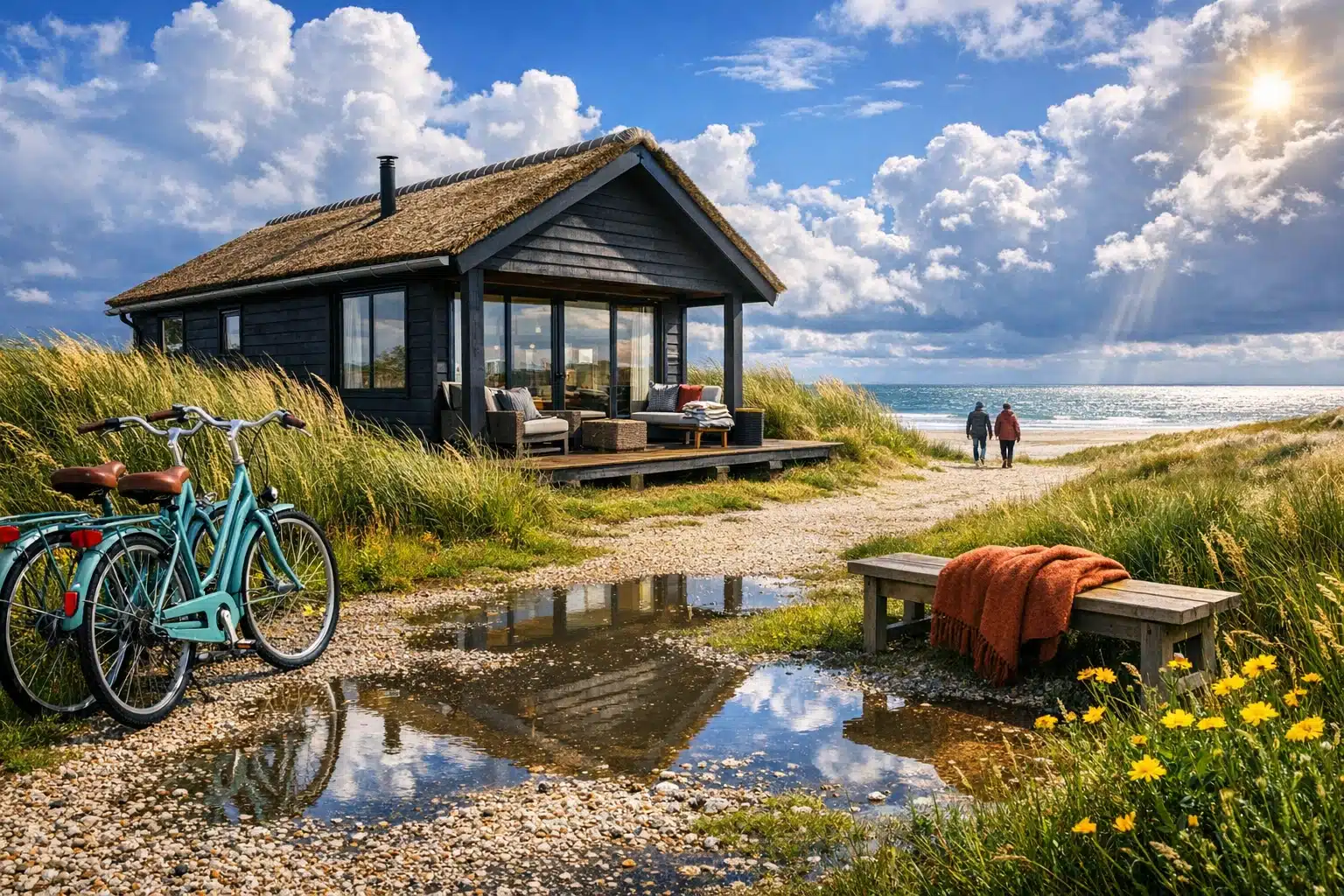
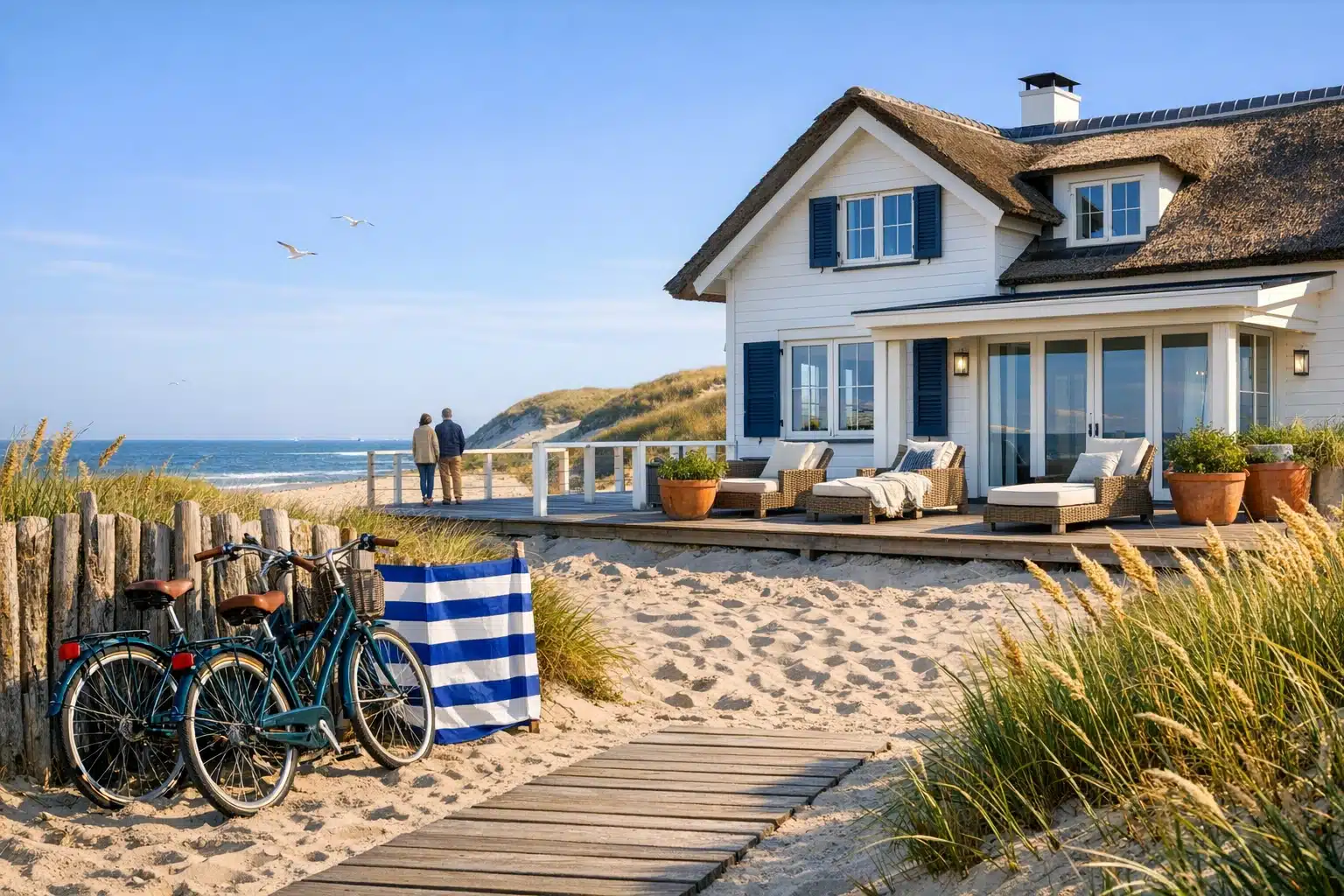
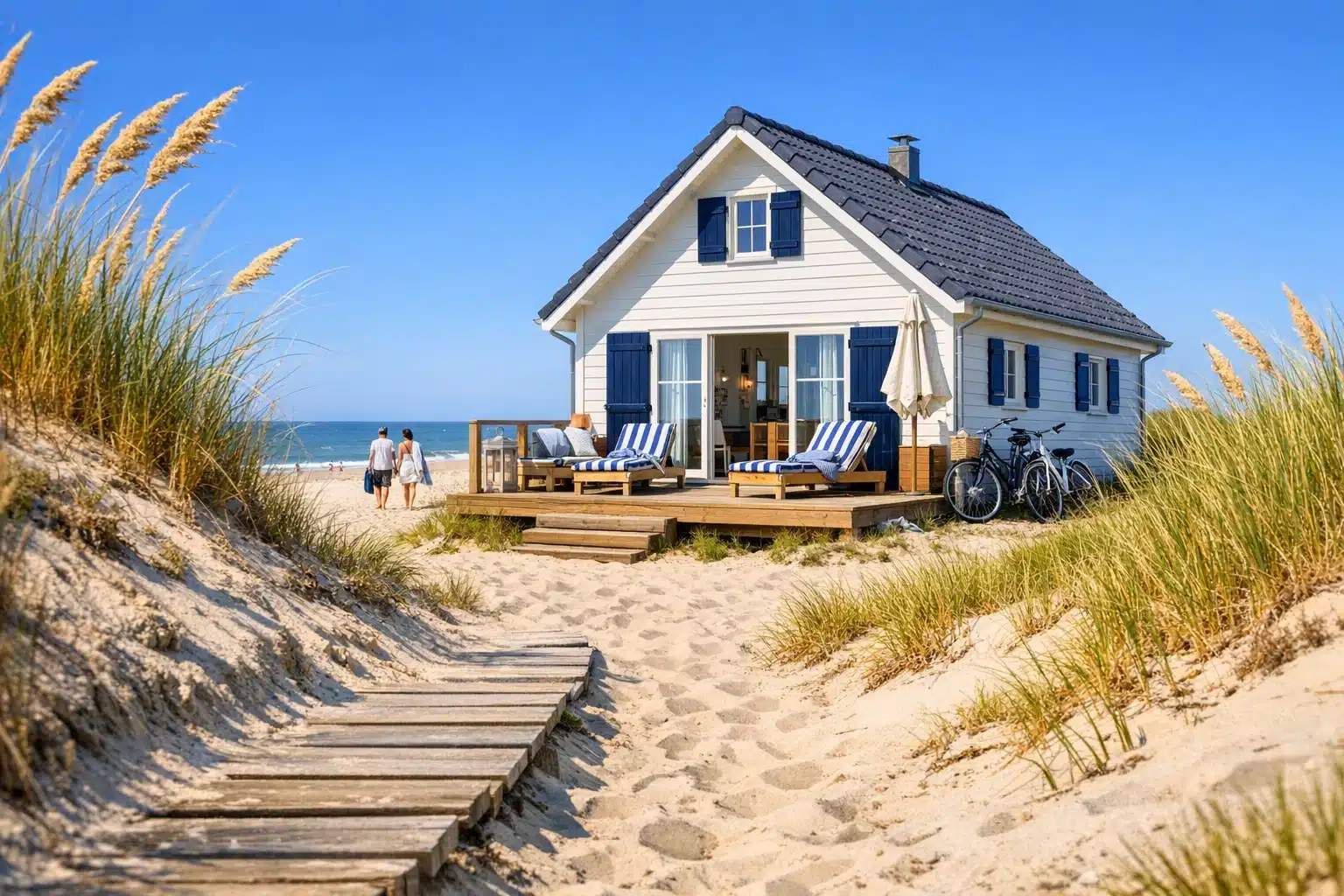
The final planning advice is straightforward. Book earlier if location matters more than price. Book in shoulder season if value matters more than maximum heat. Choose a home based on real-life function, not only polished photographs. Leave room in your schedule for weather changes, because some of the best coastal memories in the Netherlands come from unexpected moments: a windy sunset, hot fries after a long walk, bicycles left by a dune path, or a bright morning that arrives after a night of rain.
For travelers considering Strandurlaub Holland for the first time, the key is not to expect a tropical postcard. Expect a well-organized coast with character, shifting skies, generous beaches, and towns that reward a slower pace. If that sounds appealing, a thoughtfully chosen beach house can give you one of the most comfortable and flexible ways to experience the Dutch seaside. Plan with care, pack for variety, and let the coast do what it does best: clear your head and make ordinary days feel a little wider.