Seasonal Gift Baskets: What Makes Them Popular
Gift baskets have a way of turning ordinary items into a small, memorable experience. They work for birthdays, holidays, thank-you gestures, and workplace giving because they feel personal without demanding a dramatic budget. Seasonal versions add timing, color, and a sense of occasion that single gifts often miss. When chosen well, they look thoughtful, travel easily, and suit many recipients with very little guesswork.
Outline:
• Why seasonal gift baskets remain appealing across occasions
• Popular themes for winter, spring, summer, and autumn
• Ways to match basket contents to the recipient and the setting
• Creative presentation ideas that raise perceived value
• Budget-friendly tips for choosing affordable baskets without sacrificing quality
Why Seasonal Gift Baskets Continue to Appeal to So Many Shoppers
Seasonal gift baskets remain popular because they solve several gifting problems at once. A single object can sometimes feel risky: if the recipient does not need it, use it, or like the style, the effort falls flat. A basket, however, spreads that risk across a group of smaller items. Even if one product is only mildly interesting, the overall collection can still feel generous and balanced. That is one reason retailers, event planners, and families return to this format year after year.
Another advantage is that seasonal baskets fit the mood of the calendar. Winter baskets often suggest comfort and warmth, spring assortments feel fresh and light, summer collections lean playful or outdoorsy, and autumn bundles naturally connect with cozy textures and harvest flavors. These cues help the present feel timely rather than random. In practical terms, seasonality also makes shopping easier because stores already organize inventory around major holidays, weather changes, and social events. Buyers do not have to invent every detail from scratch; they can start with the atmosphere of the season and build from there.
There is also a strong convenience factor. A well-made basket is a ready-made solution for:
• host gifts
• office exchanges
• thank-you presents
• teacher appreciation
• long-distance family gifting
• client acknowledgments
Compared with sending flowers, a basket often lasts longer and includes items the recipient can actually use. Compared with a single premium product, it can feel more abundant at the same price point. Many shoppers are also drawn to the visual impact. Layers of packaged treats, useful household goods, tea, coffee, candles, or self-care items create the sense of opening several little surprises instead of one final answer. That feeling matters. Presentation shapes perceived value, and gift baskets are good at turning modest purchases into a fuller experience.
Finally, seasonal baskets are adaptable across age groups and relationships. They can be playful for friends, polished for colleagues, practical for neighbors, or warm and sentimental for family members. That flexibility explains their lasting relevance. They are not just containers of products; they are curated signals that say, “I thought about the time of year, the occasion, and what might make your week a bit better.”
Popular Seasonal Gift Basket Themes That Fit the Time of Year
The most successful seasonal gift basket themes feel connected to the weather, local routines, and the kinds of gatherings people actually have during that part of the year. Winter is probably the easiest place to start because the imagery is so clear. Comfort dominates. Typical winter baskets include hot chocolate, tea, coffee, cookies, soup mixes, knit accessories, candles, and movie-night snacks. Holiday versions may add festive colors, baking ingredients, or table-ready treats for family visits. The appeal here is simple: the basket supports indoor time, hosting, and cold-weather comfort.
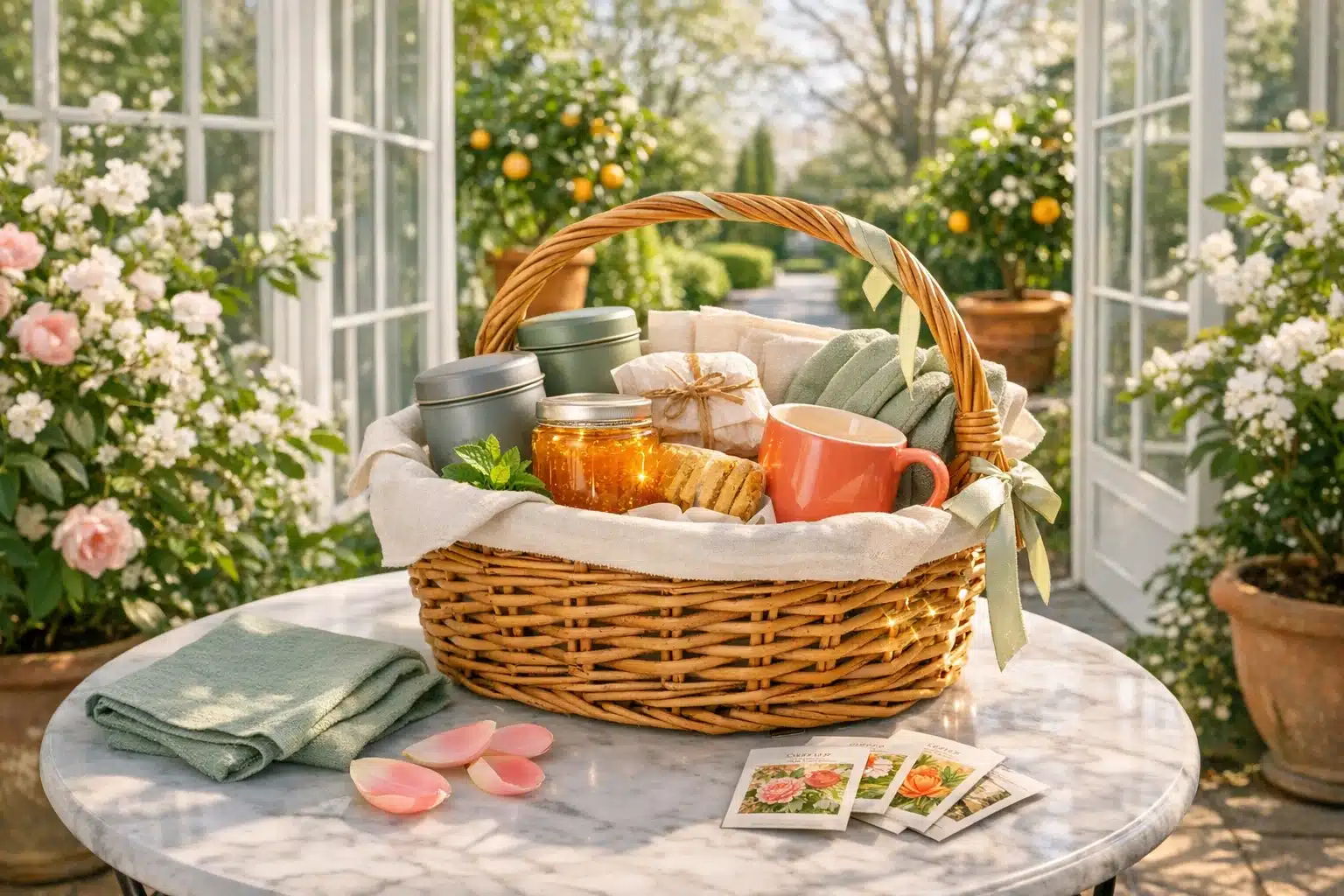
Spring themes often shift away from heavy foods and deep colors. Instead, they favor renewal, brightness, and utility. A spring basket might include herbal teas, floral notes, gardening gloves, seed packets, jam, biscuits, fresh kitchen towels, or brunch-friendly items. These baskets work well for housewarmings, Easter gatherings, Mother’s Day, or thank-you gifts after a dinner invitation. They tend to feel cheerful rather than formal, which makes them widely useful.
Summer baskets usually benefit from either an outdoor angle or a travel-friendly one. Picnic assortments, grilling kits, lemonade ingredients, sunscreen, reusable tumblers, trail snacks, and beach-day accessories all fit naturally. In hot months, lighter products often perform better than rich, melt-prone treats. That practical detail matters because seasonal relevance is not just decorative; it affects how usable the gift really is. A summer basket full of heavy chocolate may look attractive for a moment but can become inconvenient during shipping or storage.
Autumn baskets sit in a sweet spot between function and atmosphere. They often feature spiced snacks, apple or maple flavors, tea, cozy socks, hand cream, notebooks, or kitchen comforts. Fall themes work especially well because they can serve many purposes at once: back-to-school care packages, host gifts, appreciation bundles, and early holiday gestures. The colors and textures of the season do a lot of visual work, making even simple assortments feel intentional.
Across all four seasons, the strongest theme is rarely the most crowded one. A basket does not need ten unrelated novelty items. It usually works better when the contents share one clear idea:
• comfort and relaxation
• entertaining and hosting
• outdoor fun
• breakfast and brunch
• practical everyday care
That clarity helps the recipient understand the basket instantly. Instead of reading as a random collection, it feels like a small story built around the season.
From Creative Themes to Practical Assortments: Matching the Basket to the Recipient
A seasonal concept becomes much more effective when it is filtered through the needs of the recipient. This is where many gift baskets either succeed beautifully or become forgettable. Two people can receive “spring baskets,” but the right versions may look completely different. A busy parent might appreciate pantry basics, herbal tea, and easy snacks, while a gardening enthusiast may enjoy seeds, gloves, a hand balm, and a small notebook for planning. The season provides the mood, but the person should guide the final contents.
Practical assortments have become more common because people increasingly value gifts they can consume or use without making space for permanent clutter. This does not mean baskets need to feel plain. A practical arrangement can still feel warm if the items are selected with some care. Think of a winter comfort set with soup, crackers, tea, and a mug, or an autumn kitchen basket with jam, pancake mix, a tea towel, and spiced nuts. These are not flashy choices, yet they often land well because they serve a clear purpose.
A helpful way to frame the category is this: Explore seasonal gift baskets, from creative themes to practical assortments. Learn how they’re commonly described in lifestyle gifting resources. That phrasing captures an important truth. Gift baskets are often talked about as lifestyle presents, meaning they reflect habits, routines, and moments rather than just products. A “movie night” basket describes how the recipient might spend an evening. A “garden starter” assortment imagines a weekend activity. A “brunch basket” hints at a leisurely morning. The gift feels fuller because it implies an experience.
When choosing contents, it helps to ask a few grounding questions:
• Will the recipient consume or use most of these items within a month?
• Do the products fit the season in a practical way?
• Is the basket easy to share, store, or transport?
• Are there dietary preferences or household restrictions to consider?
• Does the tone fit the relationship: casual, professional, warm, or celebratory?
Corporate gifting, for instance, usually works best with broad appeal and low-risk items such as coffee, snacks, shelf-stable treats, or office-friendly comforts. A close friend may appreciate more personality, such as hobby-themed additions or humor. Family baskets can lean sentimental, while neighbor gifts are often strongest when they stay simple and useful. Matching the basket to the recipient is what turns a seasonal idea into something that actually feels thoughtful.
Creative Presentation Ideas That Make a Basket Feel Special
Presentation changes how a basket is perceived before the recipient touches a single item. People naturally read visual cues as signals of care, value, and intention. That does not mean you need luxury packaging. In fact, many memorable gift baskets rely on ordinary materials arranged with balance and restraint. The goal is not extravagance; it is coherence. When the container, colors, textures, and product placement support one theme, the basket looks polished and complete.
The traditional wicker basket still works, but it is far from the only option. Containers can be chosen to match the season or to remain useful afterward. A wooden crate feels rustic in autumn, a metal tub suits summer entertaining, a fabric bin works well for baby or self-care themes, and a reusable market tote can make a grocery-style assortment feel modern and practical. This kind of choice quietly adds value because the vessel becomes part of the gift instead of packaging destined for a closet.
Layering is another simple technique that makes a big difference. Shredded paper filler, folded tea towels, or neatly placed cloth napkins can raise smaller items so everything remains visible. Height variation helps the arrangement look intentional rather than flat. Taller pieces usually sit in the back, medium-sized goods fill the center, and the smallest accents or treats are placed toward the front. Color coordination also matters. You do not need perfect matching, but a limited palette creates calm and makes the whole set read as curated.
Some of the most effective presentation upgrades are inexpensive:
• wrap pantry items in simple kraft paper and add a small label
• use ribbon sparingly in one or two colors
• include a handwritten note tied to the handle or tucked into the front
• group similar items together so the theme is instantly visible
• add one fresh sensory element, such as a dried orange slice, a cinnamon stick bundle, or a sprig of rosemary for fragrance and charm
If the basket is being shipped, presentation must also survive movement. That means secure placement, fewer fragile items, and packaging that holds its shape. Clear wrapping can protect the arrangement, but it is not always necessary. Open-top baskets often feel more natural and contemporary, especially for local delivery or handoff gifts.
The best presentation ideas do not distract from the contents. They frame them. A good basket invites the eye to move, suggests the season at a glance, and gives the recipient the small pleasure of discovering details one by one. That quiet theater is part of why these gifts continue to resonate.
Conclusion: How to Choose Affordable Gift Baskets Without Losing Thoughtfulness
For budget-conscious shoppers, the smartest gift basket is not the biggest one or the one packed with the most filler. It is the one that delivers a clear theme, useful contents, and a neat presentation at a price that makes sense for the occasion. Affordability is often less about buying the cheapest option and more about avoiding waste. A lower-priced basket full of forgettable extras may offer poor value, while a modest but well-edited assortment can feel generous and memorable.
One practical starting point is to set a total budget before browsing. That sounds obvious, yet many people look first and calculate later, which makes it easy to overspend once packaging, shipping, and add-ons appear. A helpful structure is to divide the budget into three parts: contents, container, and delivery or wrapping. This prevents the common mistake of spending too much on decorative elements and too little on the products the recipient will actually use.
Another strong strategy is comparison shopping. Pre-made baskets can save time, but they vary widely in value. Some include attractive packaging with small product sizes, while others offer fuller portions but simpler styling. Look at unit size, brand mix, shelf life, and whether the basket includes too many low-impact fillers. If shipping is involved, weight matters as well. Glass bottles, ceramic mugs, and bulky containers increase mailing costs quickly. In many cases, a lighter assortment of snacks, tea, baked goods, and small home items is more economical and easier to deliver in good condition.
A hybrid approach often works best. You can buy a partially assembled set and customize it with one or two personal additions, or build your own from a discount, grocery, or craft store using a simple container. That gives you control over price and theme. Budget-friendly buyers should also remember these basics:
• choose a focused theme instead of many unrelated items
• favor consumables and practical goods over novelty products
• watch for seasonal sales after major holidays for future gifting supplies
• buy in small bulk when making multiple baskets for teachers, teams, or clients
• keep the note personal, because sincerity often adds more impact than expense
If you are shopping for friends, relatives, neighbors, colleagues, or hosts, the goal is not to impress with scale. It is to create a gift that feels timely, usable, and thoughtfully assembled. Seasonal gift baskets do this especially well when the theme is clear, the presentation is tidy, and the spending stays realistic. In the end, the most affordable basket is the one that feels right for the person receiving it and sensible for the person giving it.