 Artificially generated image
 The Essential Guide to Elegant Hairstyles and Age-Friendly Beauty Tips for Senior Women
Style does not retire; it becomes more selective, more comfortable, and often more expressive with age. For senior women, a hairstyle is not only about appearance but also about ease, proportion, texture, and the quiet confidence that comes from knowing what truly suits you. This guide looks at elegant cuts, practical beauty habits, and timeless styling choices that work with changing features instead of against them. Read on for ideas that feel polished, modern, and deeply wearable in real life.
Outline:
• How hair and beauty needs evolve over time
• Haircut shapes that create balance, softness, and structure
• Styling, color, and maintenance for shine and manageability
• Makeup, skin care, and accessories that support elegant presentation
• Building a personal style that feels timeless rather than trend-driven
Understanding Elegant Hair and Beauty After Sixty
Elegant style for senior women begins with observation, not imitation. Hair changes over time for well-known biological reasons: pigment cells gradually produce less melanin, which leads to gray or white strands, and hair may also become drier, finer, or more fragile as oil production shifts and hormonal patterns change. Menopause, medication, stress, and general aging can all influence texture and density. That is why a haircut that looked lively at forty may feel flat, heavy, or harder to manage at seventy. The goal is not to recreate a younger version of yourself. The real goal is to create balance, softness, and clarity that reflect who you are now.
This is where the idea of elegance becomes useful. True elegance is rarely loud. It tends to rely on proportion, healthy grooming, and coherence between hair, face, clothing, and lifestyle. A beautifully cut bob can look more sophisticated than an elaborate style that requires constant effort. A soft silver tone can appear more luminous than an overprocessed dark dye that fights against changing skin tone. In many cases, the most graceful beauty choice is the one that makes everyday life easier while still feeling intentional.
Several practical factors matter when evaluating hairstyle and beauty options:
• Hair density and natural texture
• Face shape and the prominence of features
• Whether you wear glasses
• How much time you actually want to spend styling
• Comfort with salon upkeep, coloring, or regular trims
There is also an emotional dimension. For many women, hair carries memory: a wedding photo, a favorite decade, a signature fringe, a long-held shade of chestnut or blonde. Shifting away from those familiar details can feel strangely personal. Yet style evolution does not erase identity; it can sharpen it. Think of it like editing a lovely room. You are not discarding the character of the space. You are removing what no longer serves it and letting the strongest features breathe.
When beauty advice for older women fails, it often fails because it becomes too rigid. It says “never wear long hair,” “always cover gray,” or “avoid bold lipstick.” These rules oversimplify a much richer reality. Some women look striking with a cropped cut, while others carry a shoulder-length wave beautifully. Some glow in natural silver, while others prefer soft highlights that add warmth. The smartest approach is to understand the changes age brings, then choose styles that honor your face, habits, and personality. That is the starting point for timeless style.
Haircut Choices That Create Softness, Structure, and Ease
The most successful senior hairstyles usually solve more than one problem at once: they flatter the face, suit the hair’s current texture, and remain manageable from one appointment to the next. This is why shape matters more than trend. A cut can be fashionable, but if it collapses by midday, competes with glasses, or requires daily heat work to look presentable, it may not be the right fit. A strong haircut should do part of the styling for you.
Short styles are often recommended for mature women, but “short” is not a single category. A neat pixie highlights cheekbones and eyes, especially when the crown carries a bit of lift. A tapered crop can look crisp and modern on women with fine features or strong bone structure. However, very close cuts may emphasize scalp visibility if the hair has thinned, and they can sometimes feel severe if the hairline has softened. In contrast, a layered bob offers more flexibility. It can frame the jaw, skim the neck, and work well with straight, wavy, or lightly curled textures. It also pairs gracefully with earrings and collars.
Shoulder-length hair remains a strong option for many senior women, particularly when the hair still has moderate density. The key is movement. Face-flattering layers help enhance your features while adding softness and movement to your hairstyle. A long bob, or lob, can be elegant when the ends are clean and the volume is controlled rather than puffy. If the hair is very thick, internal layers can reduce bulk. If it is fine, too many layers may make it look sparse, so a more strategic, minimal approach works better.
Bangs deserve careful consideration. They can be wonderfully useful, especially for balancing the forehead, softening lines, or drawing attention toward the eyes. Yet the right fringe depends on texture and upkeep tolerance. Consider the differences:
• Wispy bangs feel light and forgiving
• Side-swept fringe blends easily into layered cuts
• Blunt bangs create drama but demand more precision
• Curtain-style fringe can soften the face without feeling heavy
Haircuts also interact with facial details that become more important over time. Glasses add shape, brows influence expression, and the neckline of clothing changes the visual effect of hair length. A rounded bob with rounded frames may appear gentle, while angular glasses can sharpen a softer cut. A woman with elegant silver hair and a defined jaw might look wonderful in a sleek chin-length cut. Another with softer features may benefit more from feathered edges around the cheek and temple. The best haircut is never just about hair. It is about the total portrait.
Styling, Color, and Maintenance for a Polished Finish
A flattering cut lays the foundation, but styling determines whether it looks intentional or unfinished. For senior women, the most effective styling routines are usually efficient, repeatable, and respectful of hair health. Mature hair can become more delicate, so the old habit of blasting it daily with high heat often leads to dryness, roughness, or breakage. The polished look many people associate with elegance usually comes from gentle preparation, smart products, and a shape that supports the natural fall of the hair.
Volume is a frequent concern, especially when the crown begins to flatten or the sides lose body. Instead of relying on stiff hairspray, it helps to build lift earlier in the process. A lightweight mousse at the roots, a round brush used only where needed, or velcro rollers on the crown for a few minutes can create shape without hardness. For women who prefer minimal styling, a smoothing cream and a soft blow-dry with a vent brush may be enough. Those with natural wave often look best when the wave is encouraged rather than ironed away, because it adds life and width in a more organic way.
Color is equally personal. Many women now choose to embrace gray, and for good reason: silver hair can look luminous, distinguished, and surprisingly modern when the cut is fresh and the tone is bright. Others prefer gray blending, highlights, or lowlights to soften the grow-out line and add dimension. Neither path is more correct; the better option is the one that aligns with maintenance expectations and coloring history. A full dark shade can create strong contrast, but if it is too dense or too cool, it may appear harsher as skin tone changes. Softer tones often read as more natural and forgiving.
A useful maintenance toolkit often includes:
• A gentle shampoo that does not strip moisture
• A conditioner or mask for softness and shine
• Heat protection when blow-drying or using hot tools
• A lightweight volumizer for fine hair
• Purple or silver-toned products, if needed, to reduce yellowing in white hair
Regular trims matter more than many people realize. Even a beautiful style loses its elegance when the ends fray or the silhouette grows bulky. Depending on the cut, appointments every six to ten weeks may keep the shape clear. If salon visits are less frequent, choose a haircut that grows out gracefully. Think of maintenance as quiet tailoring. The goal is not constant fuss. It is simply to keep the style speaking in a calm, confident voice instead of a tired one.
Senior Beauty Beyond Hair: Skin, Makeup, and the Finishing Details
Hair may frame the face, but beauty rarely feels complete without attention to skin, makeup, and the smaller details that influence the final impression. With age, skin often becomes drier and less evenly toned, and makeup that once worked well can suddenly look heavy, flat, or overly powdery. That is why age-friendly beauty is not about using more product; it is about using more considered product. The emphasis shifts from coverage to clarity, from concealment to enhancement.
Skin preparation is where much of the transformation begins. Well-moisturized skin tends to reflect light more naturally, which helps the face look fresher even before makeup is applied. A lightweight moisturizer, sunscreen during the day, and a hydrating primer if desired can create a smoother base. Instead of full matte foundation, many women do better with sheer or medium coverage formulas that let the skin still look like skin. Concealer placed carefully around the eyes or areas of discoloration often does more good than applying a thick layer everywhere.
Color choices also matter. Mature faces are often flattered by tones that bring life back into the complexion rather than sitting heavily on top of it. Cream blush can add softness to the cheeks. A satin lipstick may feel kinder and more elegant than a drying matte. Brow definition becomes increasingly important because brows frame expression, just as hair does. Even a light filling-in of sparse areas can give structure to the whole face. Eye makeup benefits from restraint and placement:
• Softer browns, taupes, plums, or charcoals often look gentler than harsh black
• Tightlining or subtle liner can define the lash base without overpowering the eye
• Mascara opens the gaze, especially when lashes have thinned
• A touch of light-reflective shadow can brighten the lid without glittery excess
Accessories deserve more credit in conversations about beauty. Glasses, earrings, scarves, and necklines influence how a hairstyle is perceived. A short silver crop paired with sculptural earrings can look artful and refined. A smooth bob with a boat-neck top creates a different mood: classic, collected, perhaps a little Parisian. Even the choice between a high collar and an open neckline changes how hair length reads. This is why timeless style often feels curated rather than accidental.
Most importantly, beauty should still feel like self-expression. Some women love a red lip and wear it brilliantly into their eighties. Others feel most themselves in rose tones and bare, glowing skin. Elegance does not demand uniformity. It asks for harmony. When hair, makeup, skin care, and accessories support one another, the result is not a mask. It is a clearer version of the person already there.
Timeless Style for Senior Women: Confidence, Routine, and a Graceful Conclusion
Timeless style is often misunderstood as being plain, safe, or resistant to change. In reality, it is selective rather than timid. It favors quality lines over novelty, coherence over clutter, and personal comfort over pressure. For senior women, this approach can be liberating. It removes the exhausting need to chase every beauty trend and replaces it with a simpler question: does this choice make me look and feel well put together? If the answer is yes, it belongs in your routine.
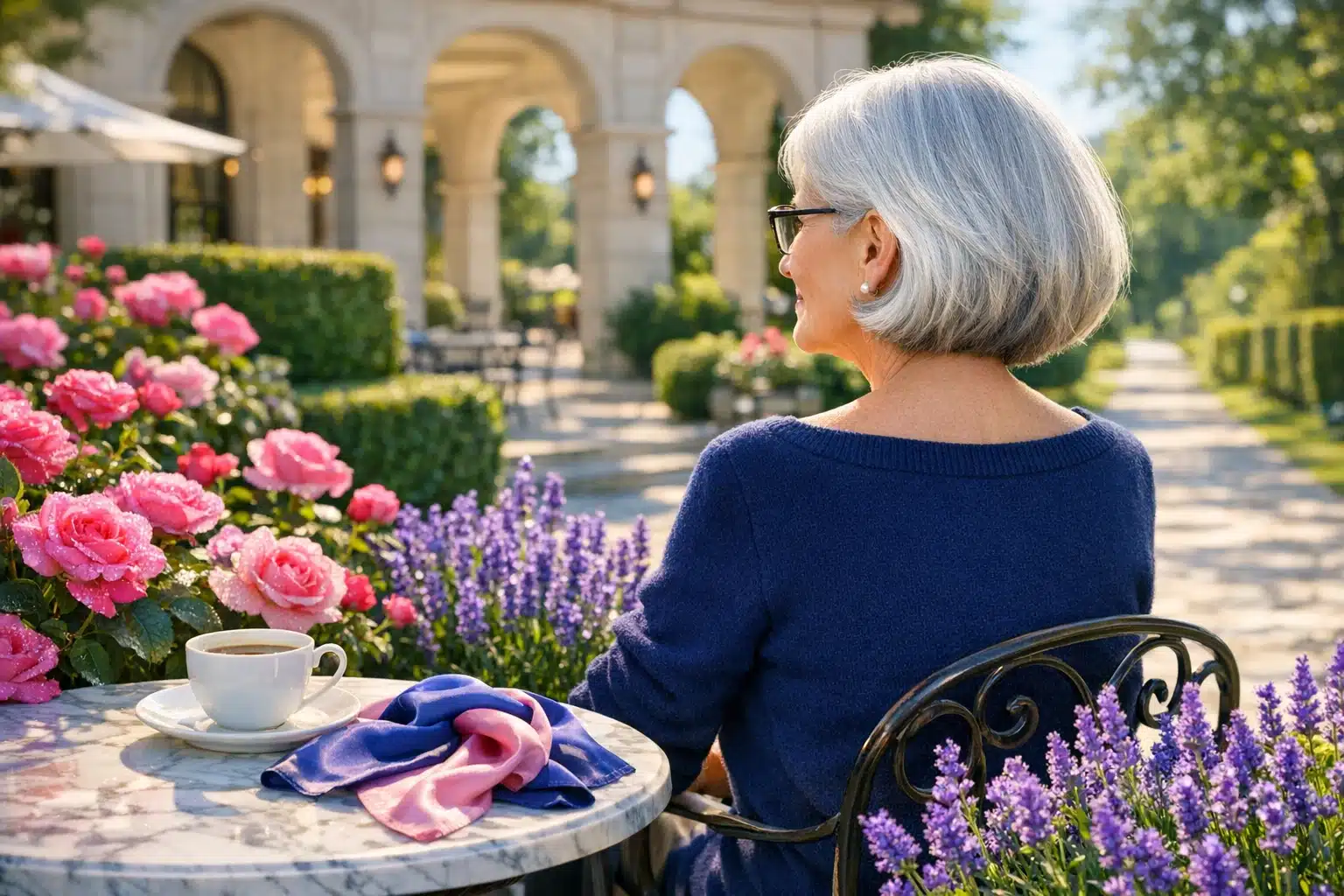
One practical way to build timeless style is to think in systems instead of isolated purchases or one-off salon visits. A hairstyle works better when it suits your wardrobe. Makeup feels easier when it supports your natural coloring. Accessories become more useful when they echo the mood of your clothing and hair. A woman with soft silver waves may enjoy pearl earrings, navy knits, and cool pink lipstick. Someone with a warm highlighted bob may prefer camel jackets, gold hoops, and coral tones. Neither is more elegant than the other; each is successful because the elements speak the same language.
Confidence also grows from predictability. When you know your hairdresser understands your goals, your morning routine becomes less frustrating. When you keep a small set of reliable products, you spend less time experimenting and more time enjoying the result. A strong personal routine might include:
• Scheduling trims before the style loses shape
• Refreshing color only as often as desired, not out of guilt
• Reviewing makeup seasonally to see what still feels flattering
• Updating glasses or accessories when they no longer support your look
• Photographing hairstyles you love so salon communication stays clear
There is another truth worth stating plainly: beauty in later life carries a different kind of power. It is less about approval and more about presence. A thoughtfully chosen haircut, luminous skin, and a well-balanced outfit can communicate energy, taste, and self-respect in a way no trend report can manufacture. The effect is subtle but memorable, like a room filled with natural light rather than decoration piled into every corner.
For senior women, the most elegant hairstyle is not necessarily the shortest, the softest, or the most expensive to maintain. It is the one that fits your features, your routine, and your sense of self with ease. Timeless style begins when you stop trying to look like someone else and start refining what is already distinctly yours. That is the lasting beauty at the center of this guide, and it is available at any age.