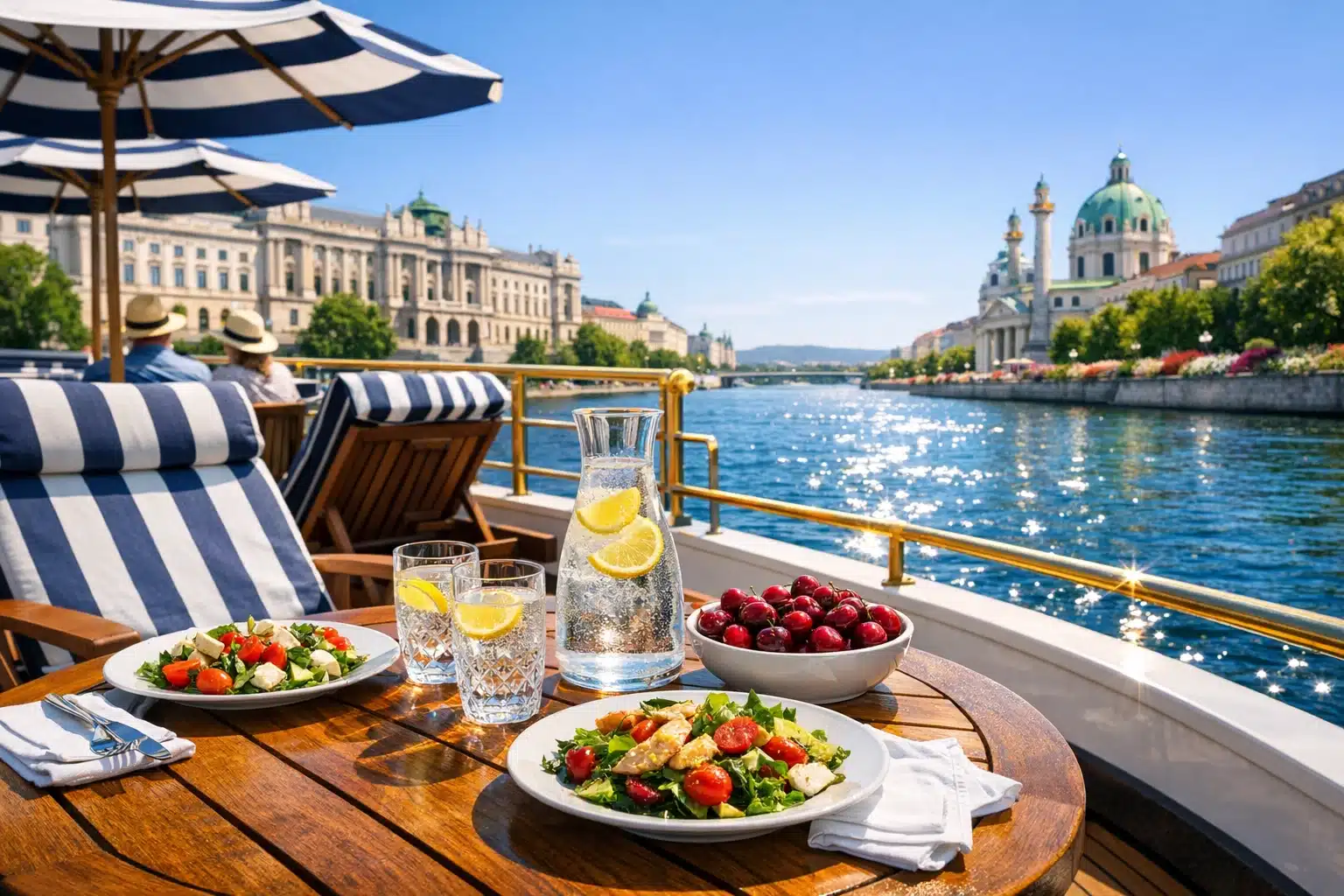
 Artificially generated image
 The Ultimate Guide to All-Inclusive Europe Tours: What’s Actually Included?
Booking a European vacation package can feel like standing in a grand railway station with ten departures flashing at once: exciting, fast, and slightly bewildering. One offer includes flights but skips transfers, another promises meals yet leaves out drinks and entrance tickets. The difference between a fair deal and an expensive surprise usually lives in those overlooked details. That is why a careful look at itineraries, inclusions, and total trip cost matters before you click reserve.
Article Outline: How This Guide Breaks Down European Travel Packages
Before comparing brochures, booking platforms, and tour operator websites, it helps to know exactly what you are trying to measure. Europe is not a single travel product. A seven-day coach circuit through Italy, an escorted rail journey across Central Europe, and a resort-based stay in Greece may all be labeled “all-inclusive,” but they operate on very different pricing logic. This guide begins with an outline because travelers often make decisions too early, focusing on the headline price while missing the structure underneath it. A lower number can still produce a more expensive trip once transfers, meals, attraction tickets, and local taxes are added later.
To make the comparison clearer, the article is organized around five practical questions. Each section builds on the last, so by the end you can read a package the way an experienced planner would read it: line by line, not slogan by slogan.
-
First, we map the core parts of a European package so you can tell the difference between marketing language and actual inclusions.
-
Second, we define what “all-inclusive” usually means in Europe, where the term is often looser than in beach destinations.
-
Third, we compare common price brackets, from budget coach tours to premium small-group journeys, and explain what usually changes as the price rises.
-
Fourth, we look at hidden costs such as city taxes, optional excursions, single supplements, baggage charges, and gratuities.
-
Fifth, we match itinerary styles to different travelers, because the right package depends as much on pace and priorities as it does on cost.
This structure matters because Europe rewards specificity. A traveler who dreams of museum-filled days in Paris and Florence needs a different package from someone who wants alpine scenery, river cruising, or family-friendly beach time in Spain. Even the same destination can feel entirely different depending on hotel location, coach transfer length, group size, and the amount of independent time built into the schedule. A practical outline turns a confusing shopping process into a sequence of simple decisions. Once you know what to examine, tour comparison stops feeling like guesswork and starts becoming a skill.
What “All-Inclusive” Usually Means on a Europe Tour
In European travel, “all-inclusive” rarely means the same thing it means at a tropical resort. On a Mediterranean island resort, the phrase often suggests meals, drinks, accommodation, and on-site activities in one bundled price. On a multi-country European itinerary, the label is broader and less standardized. It may include hotels, intercity transportation, some meals, a tour director, and selected sightseeing, while leaving out airfare, museum entries beyond the main highlights, beverages, or free-day activities. That is why travelers need to look past the headline and into the inclusion list.
Most escorted Europe tours include a few foundational elements. Hotels are usually part of the package, though quality varies from simple three-star properties on the outskirts of a city to centrally located four-star hotels with stronger amenities. Ground transportation is commonly covered, especially on coach tours and river cruises. Guided orientation in major cities is often included, but the difference between a panoramic bus drive and a ticketed visit inside a landmark can be significant. Meals are another area where expectations and reality often drift apart. A package may advertise breakfast daily and several dinners, yet leave lunches and drinks to the traveler.
-
Common inclusions: accommodation, intercity transport, daily breakfast, a tour manager, selected city tours, and some major attraction entries.
-
Common exclusions: flights on some packages, travel insurance, visas where required, city taxes, lunches, alcoholic beverages, tips, and optional excursions.
Different tour formats also shape the meaning of the term. A coach itinerary usually emphasizes transport efficiency and classic sightseeing. A small-group package may cost more but include boutique hotels, slower pacing, and deeper local experiences. A river cruise often bundles meals and transport very effectively, though shore excursions vary by operator and cabin grade. Resort-based packages in places such as Portugal, Spain, or Greece may be closer to the classic all-inclusive model, particularly when travelers stay in one property rather than moving every day or two.
One subtle but important detail is what the itinerary does not say. If airport transfers are not listed, they may not be included. If admissions are described vaguely as “guided sightseeing,” you may still pay separately to enter famous sites. If meals are noted as “welcome dinner” and “farewell dinner,” the rest of the food budget is yours to manage. In short, all-inclusive in Europe is often partial inclusion wrapped in attractive language. The package may still be excellent value, but its value depends on clarity, not just convenience.
Tour Cost Comparison: Budget, Mid-Range, and Premium Europe Packages
European package prices vary widely because they combine many moving parts: country count, season, transport style, hotel standard, group size, and how much is prepaid. A useful way to compare them is by daily cost rather than total trip price. A nine-day itinerary priced at 1,800 dollars may seem cheaper than a seven-day itinerary at 1,700 dollars, yet the shorter trip might include far more meals, attraction entries, and central hotels. Daily cost reveals what you are paying for each travel day, and that makes comparisons far more honest.
Budget tours often start around 150 to 250 dollars per person per day, sometimes excluding long-haul airfare. These packages usually rely on larger coach groups, efficient hotel contracts, and limited meal coverage. They can work well for first-time visitors who want to see several capitals quickly and do not mind a packed schedule. What you gain is reach: many cities, predictable logistics, and an accessible entry point. What you trade away is usually space, flexibility, and sometimes location, since lower-cost hotels may sit outside historic centers.
Mid-range tours commonly fall around 250 to 450 dollars per person per day. Here, travelers often see better hotel positioning, more included dinners or special meals, a stronger selection of attraction tickets, and a gentler pace. This category tends to offer the best balance for travelers who want structure without feeling herded from photo stop to photo stop. Premium and luxury packages, which may begin around 450 dollars per day and climb much higher, usually distinguish themselves through smaller groups, upgraded properties, more immersive guiding, premium rail or cruise options, and curated experiences such as winery visits, private transfers, or culinary workshops.
Compare all-inclusive Europe tours to uncover what is truly included, avoid hidden fees, and maximize your vacation budget.
Season matters almost as much as category. July and August typically bring the highest rates in many parts of Europe, especially in Italy, France, and Greece. Shoulder season, often April to June and September to October, can deliver better value with milder weather and fewer crowds. Winter city breaks may offer strong hotel pricing, though daylight hours shorten and some regional attractions operate on reduced schedules. Cost comparison therefore works best when you hold the season constant. A premium tour in November may look close in price to a mid-range tour in August, but they are not equivalent products. Real comparison happens when you weigh timing, inclusions, comfort level, and pace together rather than staring at one number in isolation.
Reading the Fine Print: Hidden Fees, Optional Extras, and Real Trip Cost
The most expensive part of some “great deals” is not the base price but the list of extras that appears after booking. Hidden costs in Europe are not always deceptive; many are simply common regional practices that travelers overlook. City taxes are a good example. In several European destinations, hotels charge a local tourist tax per person per night, and this may be collected on arrival rather than bundled into the package. The amount is often modest, but across a longer trip or a family booking it still changes the final total. The same is true for porterage, tipping expectations, checked baggage, and paid seat selection on flights.
Optional excursions deserve special attention. A package may cover transportation between cities and provide basic orientation tours, but then sell extra experiences on top: a flamenco evening in Spain, a canal cruise in Amsterdam, a cooking class in Tuscany, or a skip-the-line museum visit in Paris. These add-ons can be worthwhile, and sometimes they are memorable highlights. The problem arises when the traveler assumes they are already included, or when too many of them are required to make the itinerary feel complete. A lower upfront price can lose its advantage quickly if the “optional” list is long and the free time lacks substance without those purchases.
-
Ask whether airport transfers are included both on arrival and departure.
-
Check if breakfasts are buffet style, boxed, or limited by early departures.
-
Confirm whether attraction entries are prepaid or only viewed from outside.
-
Look for charges tied to single occupancy, luggage handling, or headphones on guided visits.
-
See whether gratuities for guides and drivers are suggested, included, or expected separately.
Another cost trap is the itinerary that appears long but contains frequent one-night stays. Constant hotel changes may increase personal spending on snacks, station meals, and convenience purchases because travelers have less time to settle into a neighborhood rhythm. A slower route with two- or three-night stays can sometimes save money even when the list price is higher. There is also a psychological benefit: when the trip stops feeling like a race, you make calmer choices and avoid the “buy now, decide later” pattern that inflates budgets.
A reliable way to estimate real cost is to create a simple trip ledger before booking. Add the package price, likely lunches, drinks, local taxes, transport to and from the airport, tips, optional sightseeing, and a modest emergency buffer. When the total is visible, the true value of each tour becomes much easier to judge. Fine print is not glamorous, but it protects both your budget and your peace of mind.
Choosing the Right Itinerary for Your Travel Style and Priorities
The best European travel package is not automatically the cheapest, the longest, or the one with the most country flags on the cover. It is the one that matches how you like to move through a place. Some travelers feel energized by a fast itinerary that strings together London, Paris, Brussels, Amsterdam, and the Rhine in ten days. Others would rather spend that time exploring only Portugal or northern Italy in greater depth. Neither approach is universally better. The right choice depends on energy level, interests, mobility, budget habits, and how much decision-making you want to outsource.
First-time visitors often benefit from classic multi-city escorted tours because they simplify transport between unfamiliar destinations. Trains, border connections, hotel check-ins, and language differences become less stressful when logistics are handled for you. Families may prefer resort-based or slow-moving itineraries with fewer hotel changes and more predictable meal options. Couples celebrating a milestone might lean toward small-group or premium tours where room quality, pacing, and atmosphere matter as much as sightseeing volume. Independent-minded travelers often do well with semi-escorted packages that combine prebooked hotels and rail passes with generous free time.
Pacing deserves special attention. An itinerary that looks rich on paper can feel thin in real life if most of the day is spent in transit. A six-country schedule may produce impressive photos but limited local memory. By contrast, a package with fewer stops can create stronger experiences: a proper market morning in Barcelona, an unhurried museum afternoon in Vienna, or a late sunset walk beside the Arno in Florence. Travel is not only about how much ground you cover. It is also about what stays with you once you return home.
-
Choose fast itineraries if you value variety, fixed logistics, and major landmarks.
-
Choose regional tours if you want deeper cultural context, less transit fatigue, and more neighborhood time.
-
Choose premium or small-group formats if comfort, flexibility, and hotel character rank high on your list.
Conclusion for Value-Focused European Travelers
If you are comparing European travel packages with care, you are already making the smartest move available: looking beyond the headline promise. A well-built all-inclusive itinerary can save time, reduce stress, and create better value than booking every component separately, but only when the inclusions genuinely match your expectations. Read the route, test the daily pace, calculate the likely extras, and measure what the package helps you avoid as well as what it provides. For travelers who want confidence, clarity, and a memorable trip without budget shock, that balanced approach is what turns a glossy offer into the right journey.