These Are the Designer Bags People Are Choosing This Season
Why Seasonal Bag Trends Matter and What This Article Covers
This season’s bag conversation is less about one must-have logo and more about how a piece fits real life. Shoppers are gravitating toward designs that look polished at work, relaxed at brunch, and smart on a weekend trip, which is why shape, material, and strap options matter as much as brand prestige. In the sections ahead, this article maps the key trends, compares leading luxury styles, and shows how to make an everyday bag feel intentional rather than routine.
An overview of designer bags people are choosing this season, focusing on design trends and versatile styling.
That shift matters because the modern handbag has become part accessory, part organizer, and part styling shortcut. A well-chosen bag can sharpen a simple jeans-and-knit outfit, balance a tailored coat, or soften a more formal look. Fashion editors and retail buyers alike have been highlighting pieces that feel adaptable rather than overly themed, which helps explain the popularity of soft leather shoulder bags, structured top-handle options, and roomy totes with understated branding. Instead of chasing novelty alone, many shoppers now want a bag that can move between settings without feeling out of place.
This article follows a clear path so the topic stays practical rather than overwhelming:
- First, it outlines the broad designer bag trends shaping the season.
- Next, it breaks down the luxury handbag styles that continue to attract attention.
- Then, it turns to everyday styling ideas that make these bags easier to wear.
- Finally, it closes with advice for readers who want to buy thoughtfully, not impulsively.
Think of it as a wardrobe-focused guide rather than a shopping list. Some readers want to understand why east-west bags suddenly feel fresh again. Others want to know whether a quiet leather tote is more useful than a logo flap bag, or how to style a compact shoulder bag without looking overdone. Those questions all connect to the same bigger theme: fashion is more useful when it supports the rhythm of daily life. And in that sense, the bags winning this season are not just attractive. They are readable, adaptable, and surprisingly strategic.
Designer Bag Trends Defining This Season
The strongest designer bag trends this season combine restraint with personality. On one side, there is a clear move toward quieter luxury: clean lines, rich leather, minimal hardware, and shapes that do not rely on oversized logos to make their point. On the other, there is room for charm and individuality through color, bag charms, braided handles, contrast stitching, and vintage-inspired proportions. The result is a season that feels less rigid than past cycles. Instead of telling everyone to carry the same silhouette, the market is offering several lanes that can suit different wardrobes.
One of the most visible shifts is the return of elongated east-west bags. Their horizontal profile feels sleek under the arm and pairs especially well with tailored blazers, long coats, and finer knits. They offer a polished line that reads more refined than bulky shoppers, yet they are often more functional than tiny evening bags. Soft hobo shapes are also having a strong moment, particularly in suede, pebbled leather, and chocolate brown tones. These styles bring movement to an outfit. They do not sit on the body like a hard box; they fold, drape, and feel lived in, which is part of their appeal.
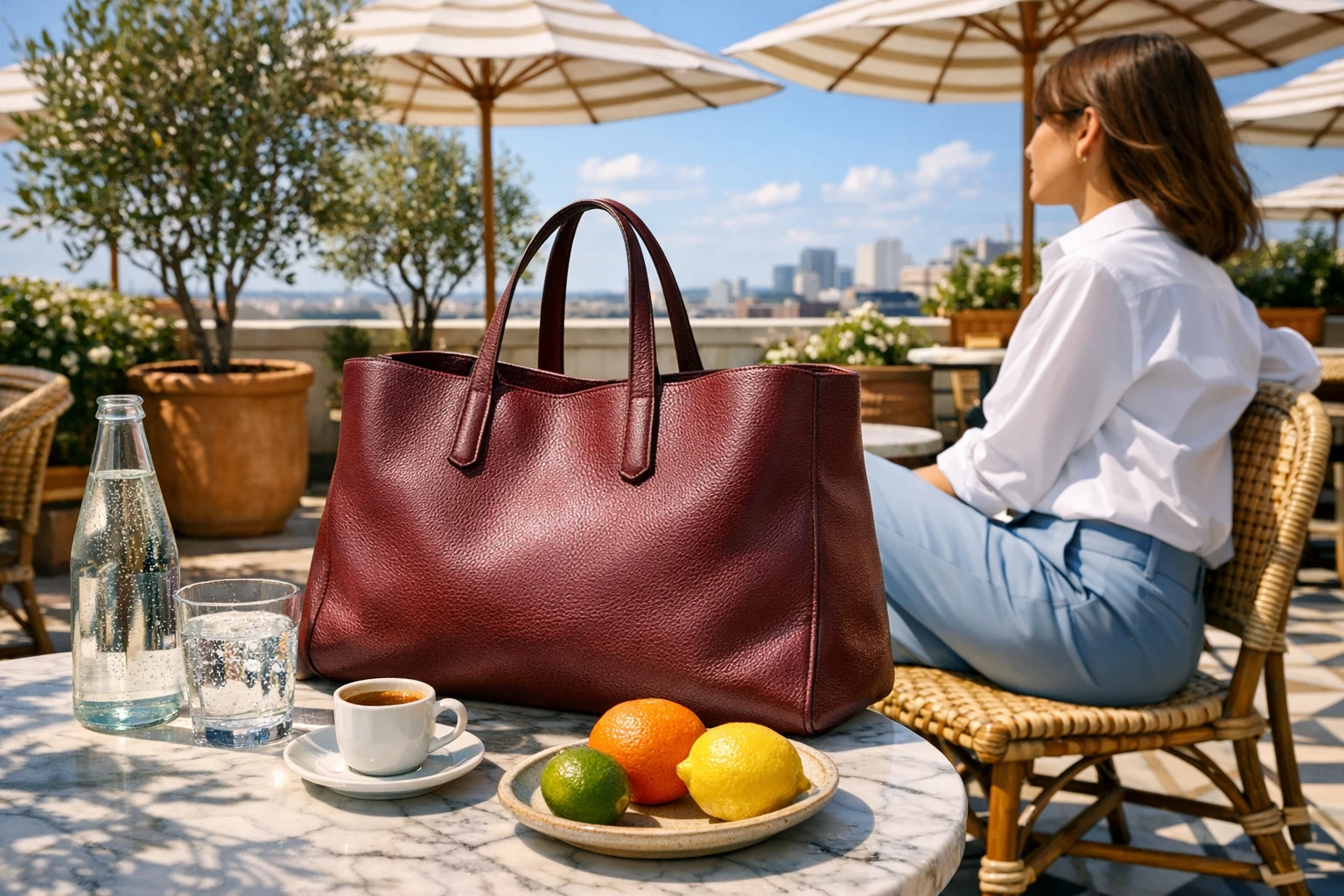
Color is telling its own story. Black remains essential, but many buyers are branching into deep brown, oxblood, tan, soft grey, and muted green. These shades are versatile while still feeling directional. Butter yellow and dusty blue appear as accent colors rather than universal staples, offering freshness for those who want a seasonal update without committing to something loud. Hardware is also more selective this season. Brushed gold, antique brass, and subtle silver are preferred over heavy shine, especially on bags designed to work from day to night.
- Logo-light bags are gaining attention because they age well visually.
- Convertible straps matter more as people expect one bag to serve multiple settings.
- Soft structure is popular, but not at the expense of organization.
- Texture, especially suede and grainy leather, is helping neutral bags feel richer.
Another notable trend is utility blended with elegance. Designers are adding zip compartments, wider bases, detachable pouches, and practical closures without making the bags look technical. It is the fashion equivalent of a well-cut coat with hidden pockets: smarter design, quietly delivered. Street style and retail assortments both reflect this preference for pieces that handle daily demands while still looking polished. In simple terms, the season belongs to bags that whisper quality, fit naturally into a wardrobe, and still give the wearer something to enjoy every time the clasp clicks shut.
Popular Luxury Handbag Styles and How They Compare
Luxury handbags remain popular for different reasons, and understanding the core styles makes it much easier to choose well. A tote, a top-handle satchel, a shoulder bag, a flap bag, a bucket bag, and a compact crossbody may all sit in the same premium price range, but they solve very different wardrobe problems. That is why style popularity cannot be judged by appearance alone. Utility, occasion, resale familiarity, and outfit compatibility all influence which shapes stay relevant season after season.
The large leather tote remains one of the most dependable luxury categories. It appeals to professionals, frequent travelers, and anyone who carries more than the essentials. The best versions now avoid looking overly corporate by using softer construction, slim straps, and refined finishes. Top-handle bags, by contrast, project more structure and intention. They are especially effective with tailored dressing, midi skirts, trousers, and dresses because they add definition. If a tote says ease, a top-handle bag says precision. Both have value; the difference lies in the mood they create.
Shoulder bags continue to dominate because they strike a balance between style and convenience. Compact shoulder bags are popular with denim, fitted jackets, trench coats, and knitwear, while roomier versions work well for daily errands and casual office settings. Flap bags hold a different place in the luxury hierarchy. They often feel more formal and heritage-driven, especially when chain straps or signature closures are involved. They can elevate an outfit instantly, but they are not always the most spacious or adaptable option for heavy daily use.
Then there are newer favorites and revived classics. Bowling bags have returned in a more polished form, often with cleaner panels and lighter hardware than older versions. Bucket bags continue to attract buyers who want a softer shape with decent capacity. Camera bags remain functional, though some shoppers now find them less current than east-west or curved shoulder silhouettes. In premium fashion, popularity often cycles, but the most durable choices usually share a few qualities:
- A shape that works with more than one type of outfit.
- Enough capacity for real daily needs.
- Materials that improve rather than deteriorate visually with wear.
- Details that feel distinctive without tying the bag to a single season.
Editorially, brands such as Chanel, Louis Vuitton, Dior, Prada, Gucci, Saint Laurent, Loewe, Bottega Veneta, and The Row remain central reference points because each represents a different handbag language. Some lean into heritage codes, others into modern minimalism, and others into texture or silhouette. The smartest way to compare them is not by hype alone, but by asking what role the bag will play in your wardrobe. A beautiful object matters, yes, but a useful beautiful object earns its place far more convincingly.
Everyday Bag Styling Ideas That Feel Current Rather Than Complicated
Styling a bag well does not require a dramatic outfit. In fact, the most convincing everyday bag looks often come from small, deliberate choices: matching the bag’s structure to the clothing line, choosing a color that supports rather than dominates, and thinking about scale. A roomy slouchy bag can make a sharp blazer feel less severe. A compact shoulder bag can bring focus to wide-leg trousers and a tucked knit. A structured satchel can make simple denim and loafers look finished in under ten seconds. That is the quiet power of accessories: they do not need to shout to direct the whole look.
For workwear, structured or semi-structured bags usually perform best because they echo the clean lines of tailoring. A dark brown or black tote with minimal hardware pairs naturally with wool trousers, shirting, and long coats. If your office dress code is more relaxed, try a soft leather shoulder bag with a blazer, straight jeans, and flat slingbacks. The effect is capable but not rigid. On weekends, styling can loosen up. Suede hobos, bucket bags, and medium crossbody styles look especially good with denim, trench coats, oversized knitwear, and sneakers or ankle boots. They add texture and depth without making the outfit feel too considered.
Color coordination helps enormously. You do not need to match shoes and bag perfectly, but a shared temperature creates harmony. Warm tan, burgundy, chocolate, and cream tend to sit well together. Black, grey, navy, and silver accents build a cooler palette. If your clothing is mostly neutral, a seasonal color can act like a controlled spark. A muted olive or butter yellow bag works best when the rest of the outfit is calm enough to let it breathe. Think candlelight, not fireworks.
- Use compact shoulder bags for streamlined city looks.
- Choose larger totes when layering coats, scarves, and practical shoes.
- Let one textured item, such as suede, do the visual lifting.
- Add charms or scarves sparingly if the bag itself is already detailed.
One more practical point: bag styling is not only about what people see, but also about how the bag moves with you. If a strap slips constantly, if the opening is awkward, or if the base collapses under daily essentials, the styling magic fades fast. The best everyday combinations feel easy from morning to evening. A good bag should not behave like a diva. It should arrive, perform beautifully, and make your outfit look more coherent than it did five minutes earlier. That is style at its most useful.
Conclusion: How to Choose the Right Designer Bag for Your Wardrobe
For readers trying to make sense of this season’s choices, the clearest takeaway is simple: the best bag is rarely the loudest one in the room. It is the one that aligns with your habits, your clothing, and the pace of your week. This season’s strongest designer bag trends point toward versatility, refined materials, and silhouettes that can shift across occasions without losing character. Popular luxury handbag styles still matter, but their real value appears when they fit into a wardrobe naturally instead of sitting on a shelf like a trophy.
If your days involve commuting, meetings, and carrying more than the basics, a spacious tote or a well-organized shoulder bag will likely serve you better than a delicate mini style. If you dress simply and want one accessory to sharpen everything, a structured top-handle or compact flap bag may add the polish you are looking for. If comfort and movement sit high on your priority list, softer hobos, bucket bags, and medium crossbody designs are worth serious consideration. None of these choices is universally correct. The right decision depends on how honestly you assess your routine.
It also helps to think beyond the purchase moment. Ask how the bag will look with your outerwear, your shoes, and the colors you wear most often. Consider whether the material suits your climate and whether the hardware feels timeless enough for repeated use. In many cases, the smartest luxury buy is not the most instantly recognizable one, but the piece that continues to feel relevant after the excitement of release season fades.
- Prioritize function if you want high cost-per-wear value.
- Choose shape before trend if you are building a long-term wardrobe.
- Use seasonal colors as accents unless your closet already supports them.
- Invest in quality craftsmanship when the bag will be used several times a week.
For style-conscious readers who want both fashion interest and everyday practicality, this is a good season to shop with intention. The market is full of bags that feel elegant without being stiff and modern without being disposable. That balance is worth noticing. When a bag complements the way you live and the way you dress, it stops being a trend purchase and becomes something better: a reliable part of your personal style story.