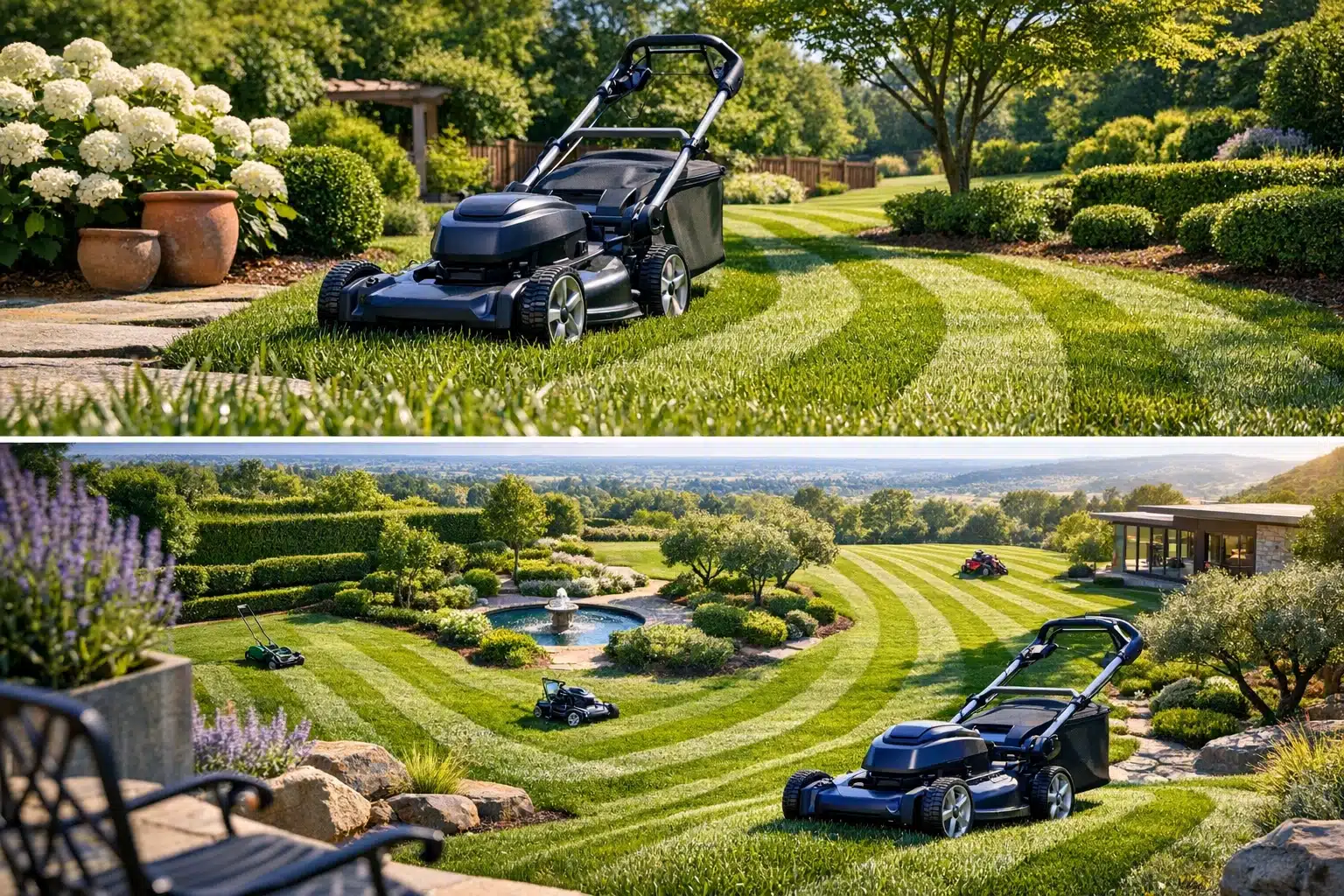
 Artificially generated image
 Choosing the Right Lawn Mower: Your Ultimate Buyer’s Guide
Introduction and Article Outline: Why the Right Mower Matters
A lawn mower might look like a simple machine, yet the choice behind it shapes how much time, effort, and money you spend through the growing season. The right model can turn weekly yard work into a brisk routine, while the wrong one may struggle on hills, scalp the grass, or demand more maintenance than expected. Whether you care for a tiny patch of turf or a sprawling family lawn, understanding mower categories and care basics helps you buy with confidence.
Many buyers focus first on price, but a mower is really a long-term tool decision. A low-cost option can be perfectly sensible for a flat urban yard under a quarter acre, while a larger property may require greater cutting width, stronger traction, and better stamina from the machine. According to common manufacturer guidance, compact electric walk-behind models often suit small to medium lots, while riding mowers and zero-turn machines are better matched to larger areas where time savings become significant. Terrain also changes everything. A mower that glides comfortably across level ground may feel awkward or underpowered on uneven sections, roots, and modest slopes.
This article begins with a clear outline so readers can move through the subject in a practical order. It covers:
- the main lawn mower types and who they suit best
- lawn care essentials that influence mower performance and grass health
- a smart buying framework based on yard size, terrain, storage, and budget
- realistic trade-offs involving maintenance, durability, and convenience
- final advice for homeowners, first-time buyers, and anyone replacing an older machine
Think of this guide as a map before stepping into a store or opening five browser tabs at once. Instead of chasing every feature, you will learn how to identify the few details that matter most for your property. Deck width, battery life, engine strength, cut height adjustment, bagging capacity, mulching ability, and ease of maintenance all become easier to judge when you know your yard’s actual needs. That knowledge protects you from overspending on features you may never use, and just as importantly, from underspending on a mower that will frustrate you every Saturday. A better buying decision begins not with the machine, but with the lawn, the user, and the routine they need to support.
Lawn Mower Types: Strengths, Weaknesses, and Best Use Cases
The mower market offers more variety than many shoppers expect, and each type solves a different problem. Reel mowers, electric cordless models, corded electric units, gas-powered walk-behinds, self-propelled machines, riding mowers, zero-turn mowers, and robotic mowers all have legitimate roles. The challenge is not deciding which category sounds impressive, but which one fits the size and complexity of your lawn.
Manual reel mowers are the simplest option. They use rotating blades powered by your push force, making them quiet, low-maintenance, and free from fuel or battery concerns. They work best on very small, flat lawns that are cut frequently. If grass becomes tall or damp, performance drops quickly. Corded electric mowers remove fuel from the equation and stay lightweight, but the cord itself can feel like an extra chore. They are practical for modest lawns close to an outlet, especially where storage is limited and noise matters.
Cordless battery mowers have become popular because they balance convenience and cleaner operation. Modern lithium-ion systems can offer solid runtime for many suburban yards, though actual performance depends on grass density, cutting height, and whether the mower is mulching or bagging. Battery units are often easier to start and quieter than gas models, making them attractive for homeowners who want less fuss. Their main trade-offs include battery replacement cost and possible limitations on larger lots.
Gas walk-behind mowers still appeal to users who want long runtime, strong cutting power, and fewer charging concerns. They can handle thicker grass and larger areas more confidently, but they usually require more maintenance. Oil changes, air filters, spark plugs, fuel management, and winter storage all matter. Self-propelled versions reduce pushing effort and can be especially helpful for uneven ground or heavier machines.
For expansive lawns, riding mowers and lawn tractors bring comfort and time savings. Zero-turn mowers go a step further by improving maneuverability around trees, beds, and landscape features. These machines are powerful, but they take up considerable storage space, cost more upfront, and require more ongoing care. Robotic mowers represent another path entirely. They quietly trim on a schedule and maintain a tidy surface through frequent light cutting. However, they are most effective on suitable layouts and may require boundary setup, charging planning, and a yard free from excessive obstacles.
- Small flat lawns: reel, corded electric, or compact cordless models
- Medium lawns: cordless walk-behind or gas mower
- Hilly or uneven ground: self-propelled models with good traction
- Large properties: riding mowers, lawn tractors, or zero-turn machines
- Highly automated routine: robotic mowers with compatible yard layouts
The best type is rarely the most powerful or the most expensive. It is the one that handles your grass conditions efficiently, feels manageable in your hands, and fits your weekly routine without turning a basic task into a mechanical drama.
Lawn Care Essentials That Influence Mower Performance and Grass Health
Buying a mower without understanding lawn care basics is a bit like choosing running shoes without knowing the race distance. Grass type, mowing frequency, seasonal growth, moisture level, and soil conditions all affect how a mower performs and how attractive the finished lawn looks. A machine may be well built, yet still deliver poor results if it is used with dull blades, the wrong cut height, or inconsistent timing.
One of the most important principles is to avoid removing too much grass at once. Many lawn care experts recommend following the one-third rule, which means cutting no more than one-third of the blade length during a single mowing session. This reduces stress on the plant and helps maintain denser, healthier turf. A mower with easy height adjustment makes that practice much simpler, especially in spring when growth can surge quickly. Warm-season and cool-season grasses also have different ideal cutting ranges, so a buyer should make sure the mower offers flexible height settings rather than a limited range.
Blade sharpness is another essential factor. Dull blades tear grass instead of slicing it cleanly, leaving frayed tips that can brown and make the lawn look unhealthy even when it is watered correctly. A sharp blade supports a cleaner finish and may reduce disease vulnerability because the plant experiences less damage. This is one reason maintenance access matters during the buying process. If blade removal, cleaning, and inspection are awkward, many owners delay upkeep.
Bagging, mulching, and side discharge deserve attention as well. Bagging can create a neat appearance and collect leaves, but it adds stops for emptying and removes clippings that could otherwise return nutrients to the soil. Mulching finely chops clippings and returns them to the lawn, which can support moisture retention and reduce fertilizer demand under suitable conditions. Side discharge can be useful when grass is taller, though it may leave a less polished look. The ideal setup often depends on climate, appearance goals, and how regularly you mow.
- Choose a mower with a wide enough cut-height range for your grass type
- Keep blades sharp for cleaner cuts and better turf appearance
- Match bagging, mulching, or discharge options to your care habits
- Avoid mowing wet grass when possible because clumping and uneven cutting increase
- Consider wheel size and traction if the lawn includes bumps, roots, or mild slopes
Even storage affects lawn care outcomes. A mower kept dry and clean tends to start more reliably and last longer. Fuel left sitting too long can create trouble in gas units, while neglected batteries can lose performance in cordless models. In other words, lawn care essentials are not separate from the purchase decision. They are the conditions under which the mower will either shine quietly or complain loudly.
Smart Buying Guide: How to Compare Features Without Getting Lost
Walking into a showroom or scrolling through product pages can feel like entering a maze of horsepower claims, battery voltages, deck widths, drive systems, and attachments. The smartest way to buy is to simplify the process into a sequence of practical questions. Find the perfect lawn mower for your yard size, terrain, and budget with our quick step-by-step guide.
Start with yard size. For a small lawn, a compact mower with a narrower deck may be easier to maneuver and store. For medium spaces, a wider cutting path can save noticeable time without making the machine awkward. On large properties, the math changes quickly. A broader deck and riding platform can reduce mowing time substantially, which matters if the job takes more than an hour with a push mower. Terrain comes next. Flat ground allows more flexibility, while slopes and rough patches reward self-propelled designs, larger rear wheels, and stable handling.
Then consider power source. Battery mowers are often appealing for their easier starts, lower noise, and reduced routine maintenance. Gas models may still be the better fit for larger areas, thick growth, or users who prefer uninterrupted runtime. Storage should not be overlooked. A foldable walk-behind may fit in a small shed, while a riding mower needs dedicated space and can also require accessory storage, fuel handling, and seasonal servicing.
Budget should include more than the purchase price. Think about the total cost of ownership:
- replacement batteries or chargers
- fuel, oil, and tune-up items for gas machines
- blade sharpening or extra blades
- bags, filters, belts, and tires where applicable
- warranty length and service availability in your area
Feature selection becomes easier when tied to actual use. Electric start is helpful if multiple household members will use the mower. Variable-speed self-propelled systems improve comfort for long sessions. Washout ports, tool-free height adjustment, and easy bag removal may sound minor in a catalog, yet these details often shape day-to-day satisfaction more than flashy marketing terms. Noise can matter too, especially in neighborhoods with close homes or local restrictions.
Before buying, read a mix of owner reviews and professional tests. Look for patterns rather than one dramatic complaint or one glowing endorsement. Pay attention to comments about runtime consistency, cut quality in thick grass, reliability after one full season, and parts availability. A mower is not a trophy; it is a work partner. The best purchase is the one that fits your lawn, your patience for maintenance, and your realistic budget over several years.
Final Thoughts for Homeowners, New Buyers, and Anyone Replacing an Old Mower
If you are choosing your first mower, upgrading from an aging machine, or trying to stop lawn care from eating up half the weekend, the answer usually lies in honest assessment rather than brand excitement. Begin with the facts of your property: square footage, slope, obstacles, storage space, and how often you truly mow. That simple inventory tells you more than a glossy product box ever will.
For many homeowners, the sweet spot is a dependable walk-behind mower with the right deck width, adjustable cutting height, and either strong battery performance or a gas engine matched to the yard’s demands. Small, tidy lawns often benefit from the simplicity of a lighter electric model. Bigger spaces usually justify more cutting width or even a riding platform when time savings become meaningful. If your lawn includes trees, borders, and curved beds, maneuverability deserves extra weight in the decision. If the ground rises and dips, traction and ease of control may matter more than raw speed.
Lawn care results also improve when the machine and the routine support one another. Sharp blades, sensible mowing intervals, seasonal maintenance, and thoughtful handling of clippings all contribute to a healthier finish. A mower does not work in isolation; it interacts with weather, grass growth, and the habits of the person behind the handle. Buying well means thinking beyond the first weekend and into the full cycle of use, upkeep, and storage.
Keep your final checklist practical:
- Does it match the lawn size without being oversized or underpowered?
- Will it handle the terrain safely and comfortably?
- Can you store it easily and maintain it without dread?
- Does the total long-term cost fit your household budget?
- Will its features make weekly mowing easier, not more complicated?
A good mower should feel like a reliable helper, not a demanding project. When the machine suits the yard, the work becomes smoother, the cut looks better, and the routine feels far less tiresome. For homeowners who want a practical, informed purchase, the winning strategy is clear: understand your lawn, compare mower types carefully, respect the basics of turf care, and choose a model that supports the way you actually live. That is how you make a smart purchase that keeps paying off, one clean pass at a time.